How Does Installing a Polyethylene Septic Tank Differ From a Concrete Tank?
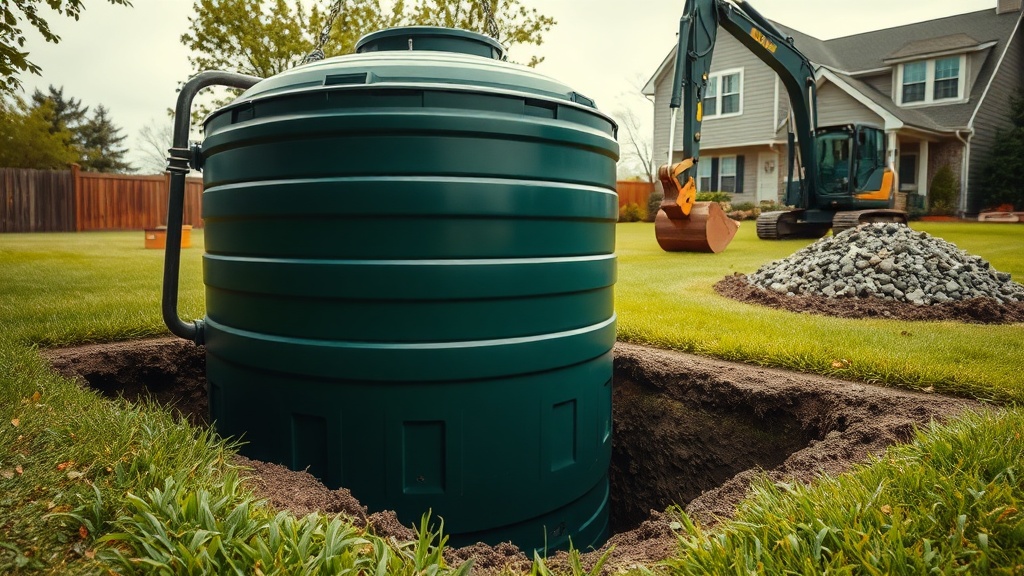
When planning a septic system replacement or new installation, the choice between polyethylene and concrete often comes down to logistics and site conditions. Polyethylene tanks, being lightweight and pre-manufactured, offer a faster, less equipment-intensive installation process compared to their concrete counterparts. However, the differences extend beyond weight—each material requires specific preparation, handling, and backfilling techniques. Understanding these distinctions helps homeowners and contractors avoid costly mistakes and ensure long-term performance.
Weight and Equipment Requirements
A typical polyethylene tank for a three-bedroom home weighs between 150 and 250 pounds (68–113 kg), whereas a comparable concrete tank can weigh 4,000 to 6,000 pounds (1,814–2,722 kg). This dramatic difference means a polyethylene tank can often be maneuvered into place by hand or with a small backhoe, while concrete tanks mandate a crane or heavy-duty truck with a boom. In tight backyards or areas with limited access, polyethylene is frequently the only viable option.
Excavation and Bedding Preparation
Both tank types require a level, compacted base of crushed stone or sand. For concrete tanks, the base must be absolutely uniform to prevent cracking from uneven settlement. Polyethylene tanks are more forgiving of minor imperfections in the bedding, but they still demand proper support to avoid deformation. A common mistake is failing to excavate extra width around the tank for easy access during final connections.
What Are the Key Steps for Installing a Polyethylene Septic Tank?
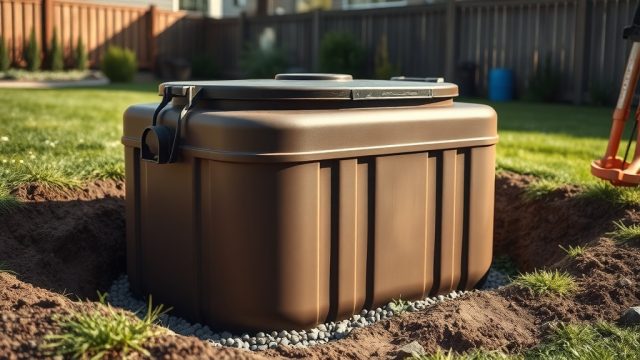
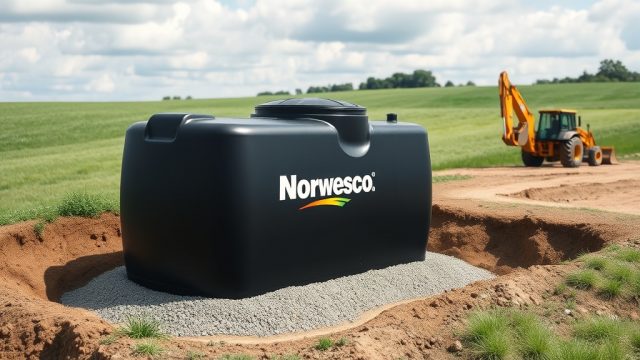
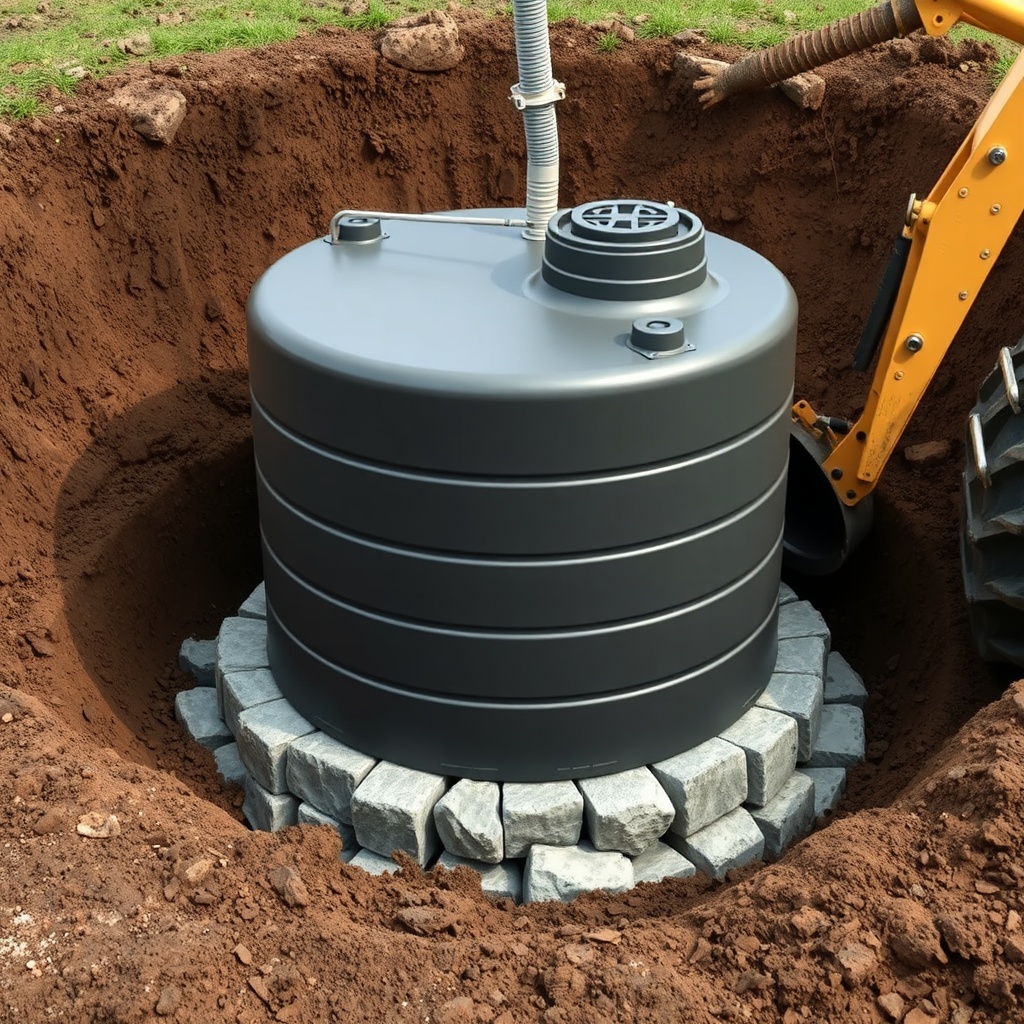
Proper installation of a polyethylene septic tank follows a sequence of critical steps, each influencing the system’s longevity and performance. Skipping or rushing any step can lead to leaks, tank buoyancy issues, or structural failure.
- Site Assessment and Permits: Verify soil percolation rates, groundwater depth, and setback distances from wells, property lines, and structures. Obtain all required local permits before digging.
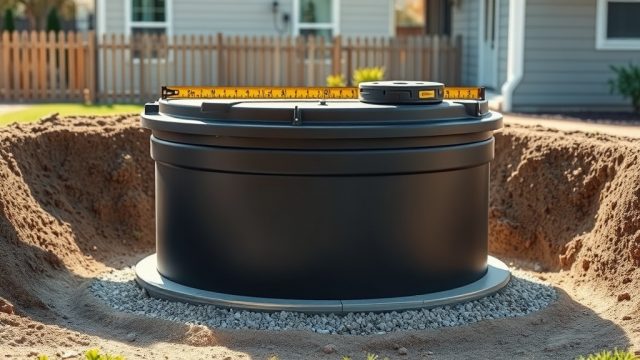
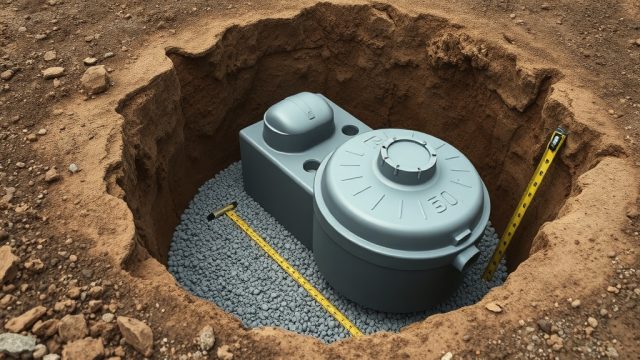
- Excavation: Dig a hole at least 18 inches larger than the tank on all sides. Depth should account for the inlet invert elevation and a minimum of 12 inches of cover over the tank lid.
- Base Preparation: Spread and level 6 inches of ¾-inch crushed stone or coarse sand. Compact the base to 95% Proctor density to prevent settling.
- Tank Placement: Lower the tank carefully using straps or a spreader bar to avoid stress cracks. Do not drop or drag the tank. Ensure the tank sits level—check with a spirit level in two directions.
- Backfilling: Fill around the tank with clean, angular stone or well-graded sand in 12-inch lifts, compacting each layer gently with a hand tamper. Avoid using heavy machinery within 3 feet of the tank walls.
- Pipe Connections: Install inlet and outlet pipes with flexible couplings to accommodate minor soil movement. Seal all penetrations per manufacturer guidelines.
- Final Inspection: Before covering, have the installation inspected by the local authority. Fill the tank with water to equalize pressure and prevent floatation if groundwater rises.
For a more detailed walkthrough, see our Polyethylene Septic Tank Installation: Key Tips and Common Mistakes article.
How Do Installation Costs Compare Between Polyethylene and Concrete Tanks?
The installed cost of a septic tank is a combination of the tank price, delivery, equipment rental, labor, and any special site work. While polyethylene tanks are typically cheaper to purchase, concrete may offer savings in some situations due to local availability. The table below breaks down average costs for a standard 1,000-gallon tank for a three-bedroom home in the United States.
| Cost Component | Polyethylene Tank | Concrete Tank |
|---|---|---|
| Tank unit cost | $800 – $1,400 | $1,200 – $2,200 |
| Delivery and crane fees | $150 – $300 | $400 – $800 |
| Excavation equipment rental | $300 – $600 | $300 – $600 |
| Labor (1-2 days) | $500 – $900 | $600 – $1,200 |
| Bedding stone/sand | $100 – $200 | $100 – $200 |
| Permits and inspection | $150 – $400 | $150 – $400 |
| Total Estimated Cost | $2,000 – $3,800 | $2,750 – $5,400 |
These are national averages. Local concrete prices, labor rates, and site accessibility can shift these numbers significantly. A polyethylene installation on a flat, accessible lot may be under $2,500, while a concrete installation requiring a long crane reach could exceed $6,000. For a deeper financial analysis, read Cost Comparison: Polyethylene vs Concrete Septic Tanks – Which Is Cheaper in the Long Run?.
What Are the Main Durability Differences Affecting Installation Choices?
One of the most significant installation-related differences is how each material handles soil and groundwater conditions. Concrete tanks are prone to cracking from frost heave, tree roots, or shifting soil if not properly bedded. Once cracked, concrete is difficult to repair and often requires complete replacement. Polyethylene tanks are flexible and can absorb some ground movement without cracking, but they can deform under excessive soil weight or improper backfilling.
Another durability factor is corrosion. Concrete tanks are susceptible to sulfuric acid attack from sewage gases, which gradually eats away at the interior surface. This is less of a concern with polyethylene, which is chemically inert. However, polyethylene tanks are vulnerable to UV degradation if left exposed to sunlight for extended periods—so they must be buried or shaded immediately after installation.
Learn more in our Polyethylene vs Concrete Septic Tank: Durability and Lifespan Compared article.
Should You Consider Water Table and Soil Type for Installation?
Absolutely. High groundwater tables pose a floatation risk for both tank types, but the risk is more acute with lightweight polyethylene tanks. If your site has a seasonal water table less than 3 feet below the bottom of the tank, you must anchor the tank with a concrete collar or hold-down straps attached to a concrete pad. Some manufacturers offer integral anchor lugs for this purpose.
Silty or clay soils that expand and contract with moisture changes require extra caution. In these conditions, wrapping the tank in a geotextile fabric and using drainage stone around the sides can prevent soil pressure from damaging the tank. Rocky soils, on the other hand, may require a thicker bedding layer to avoid point loading on the polyethylene shell.
What Are Common Installation Mistakes to Avoid?
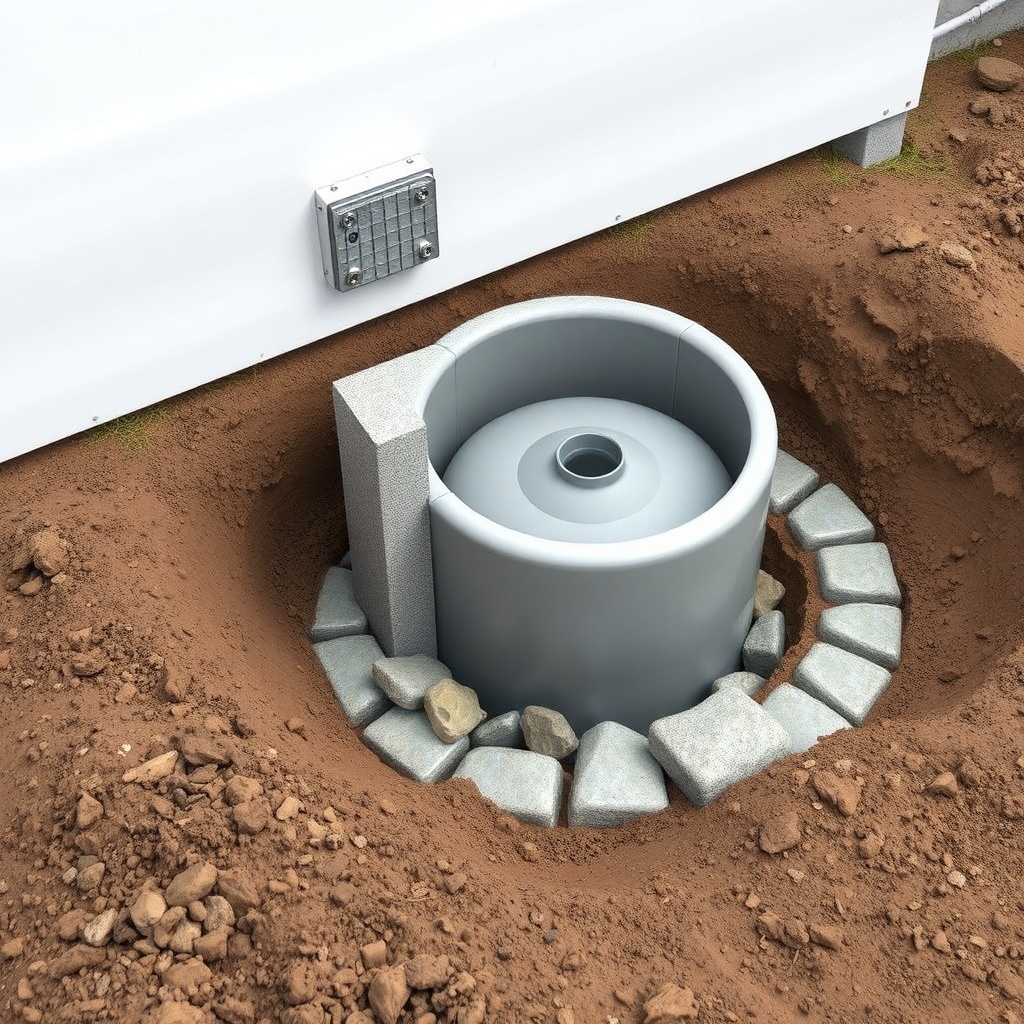
Even with a polyethylene tank’s forgiving nature, several mistakes can compromise the system. The most frequent errors include:
- Insufficient depth or cover: Not providing enough soil cover can result in freezing in cold climates or damage from surface traffic. Minimum cover is typically 12–24 inches.
- Improper backfill material: Using native clay or large rocks can create voids or crush the tank. Always use clean stone or sand.
- Overcompaction: Using a heavy plate compactor near the tank walls can cause the polyethylene to distort or collapse. Hand tamp only.
- Neglecting to fill tank with water before backfilling: An empty tank can float upward when backfill is saturated, pushing the tank out of alignment.
- Incorrect pipe slope: The inlet pipe must slope at ¼ inch per foot (2% grade) to ensure proper flow. Too steep or too flat causes blockages.
For a comprehensive list of pitfalls and fixes, see Polyethylene Septic Tank Repair: Tips for Fixing Cracks and Leaks.
What Owners Say About Polyethylene vs Concrete Installation
Homeowners who have installed polyethylene tanks consistently praise the ease of handling and lower upfront costs. Many report being able to transport and position the tank themselves with help from friends, avoiding heavy machinery fees. “We dug the hole in an afternoon and had the tank in place by lunch the next day,” says Dave from Ohio, who installed a 1,000-gallon polyethylene tank in 2023. “The concrete quotes I got were nearly double.”
Owners in areas with rocky soil or high water tables note that polyethylene’s flexibility was a deciding factor. “Our concrete tank cracked within five years due to frost heave,” shares Maria from Vermont. “We replaced it with a polyethylene tank, and after seven years, no issues.” However, some owners caution about the need for careful backfilling. “I underestimated how much effort it takes to hand-tamp the gravel properly,” says Kevin from Alabama. “Worth it, but don’t rush that step.”
For a balanced perspective, read Polyethylene Septic Tank vs Concrete: Which Is Better for Your Home? and Polyethylene Septic Tank vs Steel: Which Is the Better Choice?.
Frequently Asked Questions
1. Can I install a polyethylene septic tank myself?
While it is possible for a skilled DIYer with excavation equipment, most jurisdictions require a licensed installer for septic system work to ensure compliance with local codes. Improper installation voids warranties and can lead to environmental hazards.
2. How long does a polyethylene septic tank installation take?
A professional crew can typically complete a polyethylene tank installation in one to two days, including excavation, placement, backfilling, and connections. Concrete tank installations often require an extra day due to curing time for any concrete anchors or collars.
3. Does a polyethylene tank need a concrete collar?
Not always. A concrete collar or anchor is only required in areas with a high water table or in soils prone to expansion. Check your local code and manufacturer recommendations. In many dry, stable soils, a stone backfill is sufficient.
4. Can tree roots damage a polyethylene septic tank?
Polyethylene is resistant to root penetration as long as the tank is structurally intact. However, roots can still block inlet or outlet pipes. Maintain a distance of at least 10 feet from large trees and use root barriers if necessary.
5. What is the lifespan of a properly installed polyethylene septic tank?
With correct installation and regular pumping, a polyethylene septic tank typically lasts 30 to 50 years. UV exposure, chemical damage, and mechanical stress from improper backfilling can shorten this lifespan. Compare this to concrete, which may fail in 15–25 years in aggressive soil conditions.
6. Is a polyethylene septic tank heavy enough to stay in place?
The empty tank is light, but once installed and filled with water and waste, its weight increases significantly. Proper backfilling and anchoring prevent movement. Most installers fill the tank with water immediately after placement to neutralize buoyancy during backfilling.