Best Septic Tanks for 2025: How to Choose the Right Size and Material with the Infiltrator Quick4 Equalizer 36
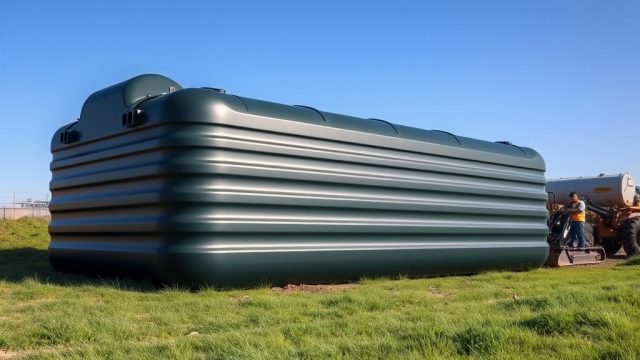
When you plan a new septic system or replace an aging tank, the Infiltrator Quick4 Equalizer 36 routinely emerges as a top contender for residential use in 2025. This reinforced polypropylene tank offers a blend of strength, light weight, and smart design that simplifies installation. In this buying guide, Alex Carter focuses on how the Quick4 Equalizer 36 meets sizing and material criteria, along with practical advice to help you make a confident purchase.
What Makes the Infiltrator Quick4 Equalizer 36 Different from Concrete or Steel Tanks?
The Quick4 Equalizer 36 is manufactured from high-density polypropylene (HDPE) with an integral ribbed design that provides structural rigidity without the massive weight of concrete. A standard 1,000-gallon Quick4 weighs roughly 175 pounds, compared to 8,000-plus pounds for a comparable concrete tank. This material choice directly influences installation cost, corrosion resistance, and long-term durability. Polypropylene does not rust, spall, or suffer from the sulfate attack that can degrade concrete in certain soil conditions. The tank carries an IAPMO (International Association of Plumbing and Mechanical Officials) listing and meets ASTM D1998 standards for underground use. One practical limitation: because the tank is lighter, it must be properly backfilled and sometimes anchored in high water table areas to prevent flotation—something the installation guide covers in detail.
How Do I Determine the Right Size for My Home Using the Quick4 Equalizer 36?
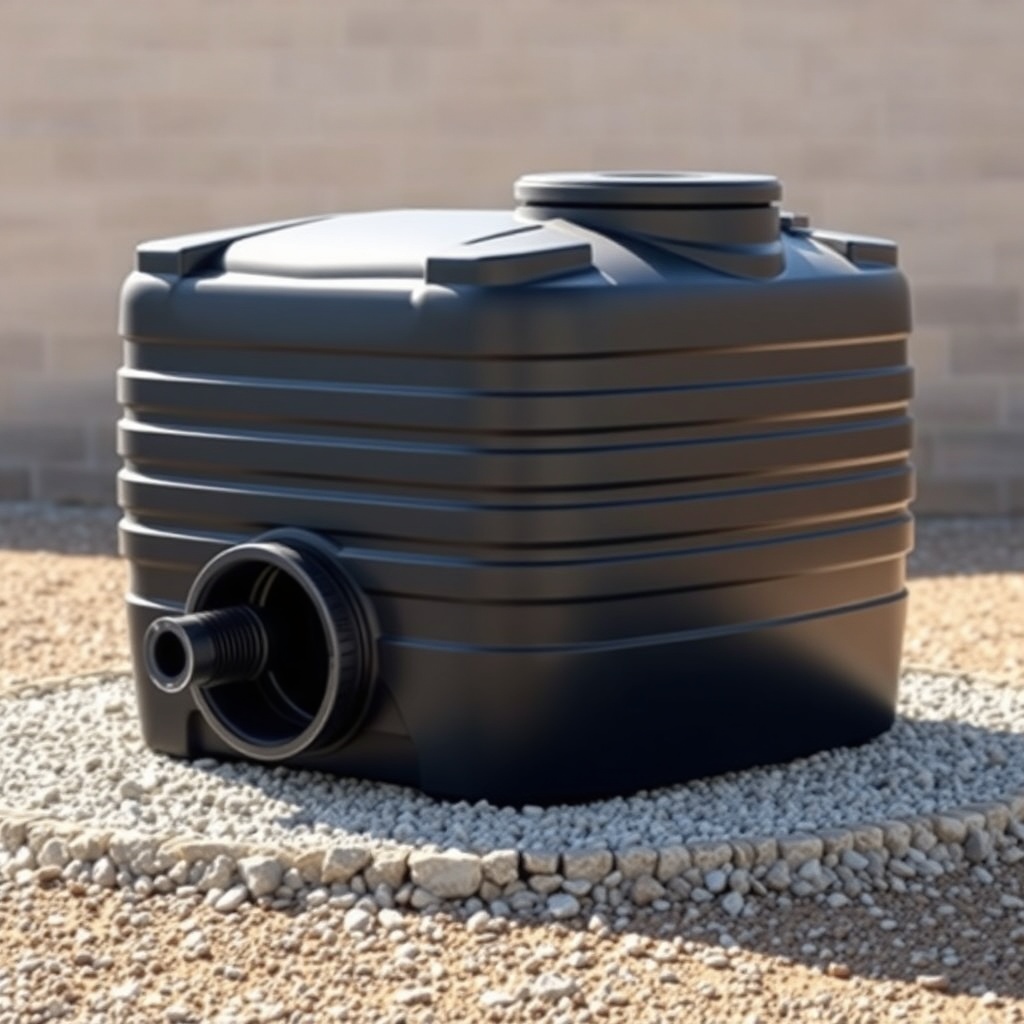
Sizing a septic tank follows the general rule of 1,000 gallons for a three-bedroom home under 2,500 square feet, with an additional 250 gallons per extra bedroom. The Quick4 Equalizer 36 comes in 1,000-, 1,250-, and 1,500-gallon models, covering most single-family residences. A key feature is the “equalizer” design: the tank includes an integrated effluent filter and a multi-chamber layout that promotes settling and prevents solids from reaching the leach field. For a household of four with standard water usage, the 1,000-gallon version is adequate. Higher occupancy, garbage disposals, or heavy water use (large soaking tubs, frequent laundry) push the recommendation toward the 1,250-gallon model. You can use the following severity table to gauge when your existing tank might be undersized:
| Usually Not Urgent | Needs Attention Soon |
|---|---|
| Two or three people in a three-bedroom home, normal water use | Five or more residents, frequent guests, or a home-based business |
| 1,000-gallon tank passes annual pump-out with sludge layer < 12 inches | Sludge layer exceeds 18 inches or scum layer is over 6 inches at inspection |
| No garbage disposal, no water softener backwash into septic | Garbage disposal, hot tub draining, or reverse osmosis discharge |
| System pumped every 3–5 years per manufacturer guidelines | Pump-outs needed every 1–2 years due to frequent backups |
What Are the Material and Build Quality Benchmarks for 2025?
The Infiltrator Quick4 Equalizer 36 uses a seamless rotational molding process that eliminates weld seams—a common failure point in some polyethylene tanks. The wall thickness is typically 0.200 to 0.250 inches, providing resistance to impact during handling and backfilling. The tank features a 24-inch riser with an integrated gasket system that prevents groundwater infiltration, a common cause of system overload. Comparing it to the alternative 1,000-gallon polyethylene tanks, the Quick4’s rib pattern adds structural depth without needing internal baffles. For buyers evaluating long-term value, the expected service life exceeds 30 years under normal conditions, though local soil chemistry and groundwater pH can affect any plastic tank. For a side-by-side with another popular option, see the Infiltrator Quick4 Equalizer 36 vs Norwesco 1000 Gallon: Which Tank to Choose? article for a detailed comparison.
What Installation Factors Affect My Choice?
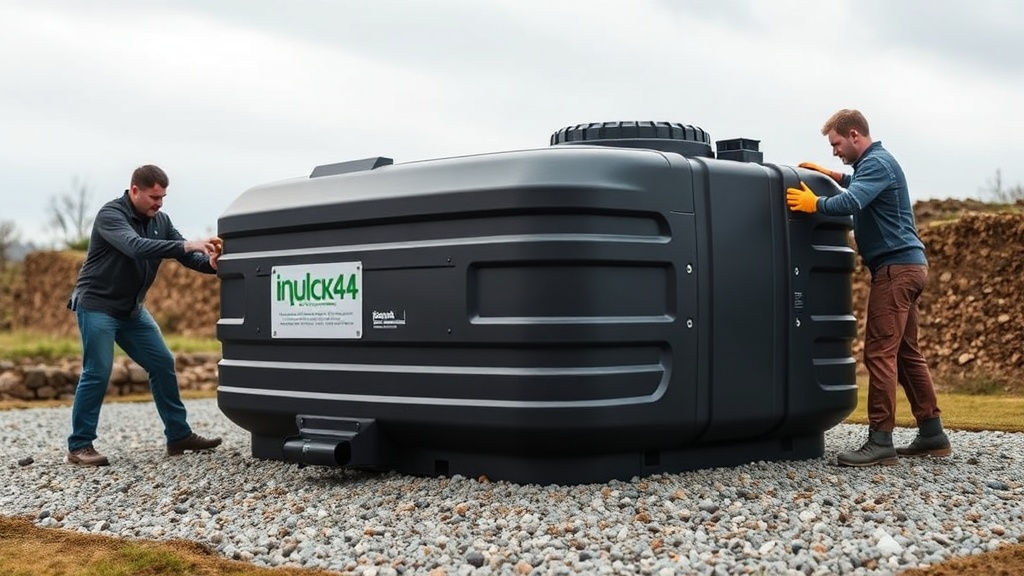
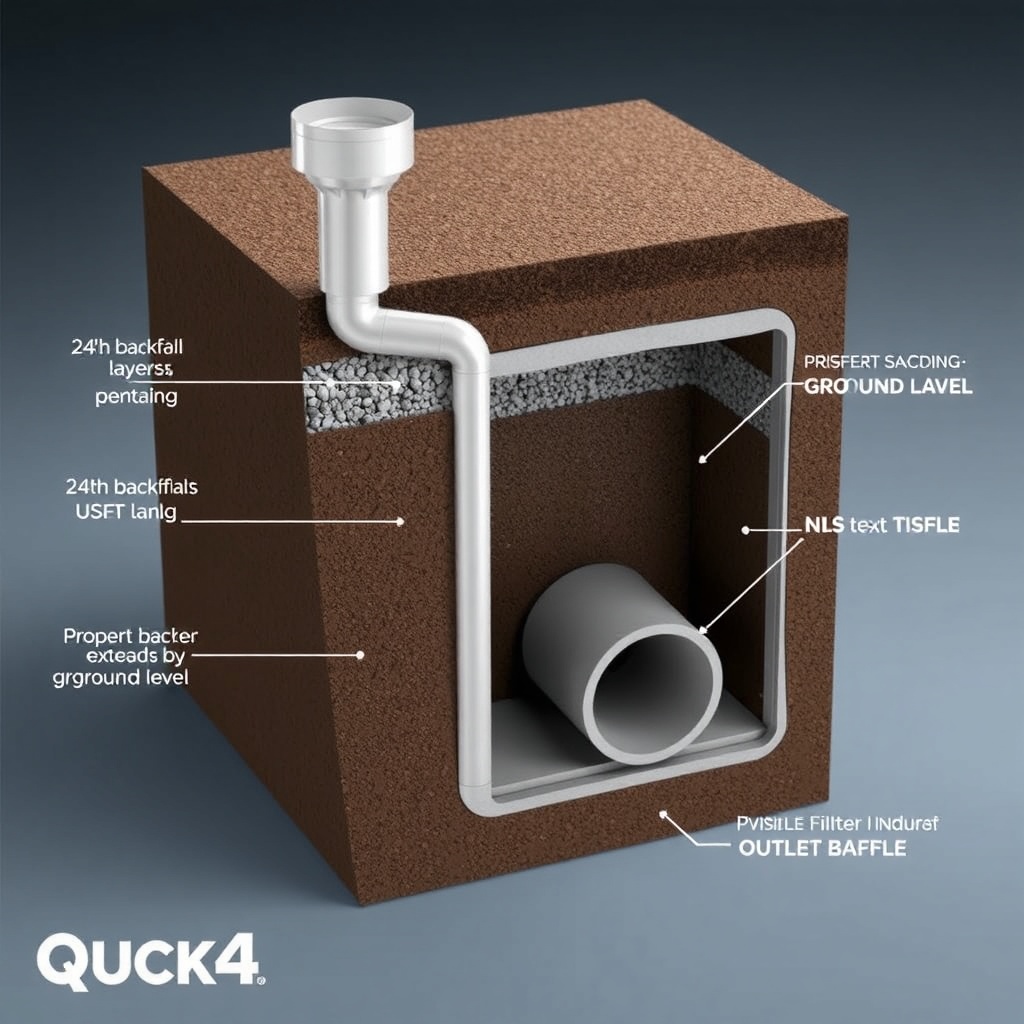
Installation depth is critical: the Quick4 Equalizer 36 is designed for burial depths of 2 to 6 feet from grade to the top of the tank. The “36” in the name refers to the 36-inch diameter of the riser, which allows easy access for maintenance. A typical installation requires a 4- to 6-inch gravel base, careful backfill with ¾-inch crushed stone or native soil free of large rocks, and compaction in 12-inch lifts. The tank’s lightweight nature means a two-person crew can maneuver it into the excavation, reducing heavy equipment costs. However, if your site has a high water table (within 2 feet of the tank bottom), you must install anti-flotation harnesses or a concrete collar. The How to Install Infiltrator Quick4 Equalizer 36: Step-by-Step Guide covers these details thoroughly. A common mistake is overcompacting the backfill, which can deform the tank; instead, hand-tamp around the sides and use light mechanical compaction above.
What Should I Expect to Pay for the Quick4 Equalizer 36 in 2025?
Pricing for the 1,000-gallon Infiltrator Quick4 Equalizer 36 ranges from £850 to £1,200 at supply houses (prices in UK sterling for the English site audience), with the 1,250-gallon version running £1,100 to £1,500 and the 1,500-gallon around £1,400 to £1,800. These prices exclude delivery, riser extensions, and effluent filters. Compared to a precast concrete tank (roughly £600 to £900 for 1,000 gallons), the Quick4 costs more upfront but saves on installation labor—crane or excavator time is reduced because no heavy lifting equipment is needed for the tank itself. Overall project cost for a complete replacement (including excavation, gravel, plumbing connections, and permit fees) typically ranges from £2,500 to £4,500. You can often source the tank through local distributors or online septic supply retailers. Ensure you verify local code requirements because some areas still mandate concrete for specific soil conditions; check with your building inspector before ordering.
How Does Maintenance Compare with Other Materials?
Maintenance for the Quick4 Equalizer 36 follows standard septic tank protocols: pump every 3 to 5 years, inspect the effluent filter annually, and avoid flushing non-biodegradable items. Polypropylene resists corrosion from household chemicals better than steel, and it will not crack from freezing if the system is used consistently (microbial activity generates some heat). One unique maintenance point: the tank’s smooth interior walls reduce sludge adhesion, making pump-outs more thorough. You should also inspect the riser gasket each year for signs of drying or cracking—a simple silicone lubricant application extends its life. For the full routine, refer to the Infiltrator Quick4 Equalizer 36 Maintenance: What You Need to Know guide. A common inconvenience is that the riser lid can become brittle over decades of UV exposure if left uncovered; keep the lid painted or shaded to prevent degradation.
What Owners Say
Real-world feedback from homeowners who installed the Quick4 Equalizer 36 in 2023–2024 highlights two recurring themes. First, the ease of installation stands out: “I helped my contractor set the tank with just three of us and a pickup truck—no crane needed. Saved about £500 in equipment rental,” one owner from Cornwall reported. Second, the performance of the integrated effluent filter receives consistent praise: “After two years, our leach field shows no signs of biomat buildup. The filter catches everything before it leaves the tank.” On the downside, a few owners mention that the tank’s light weight required extra care during backfill: “We had to be cautious not to wash the soil under the tank during heavy rain—we added a concrete collar as a precaution.” Another noted that finding replacement gaskets locally can be inconvenient; they recommend ordering spares at the time of purchase.
Frequently Asked Questions
Is the Infiltrator Quick4 Equalizer 36 suitable for a four-bedroom home?
For a four-bedroom home, the 1,250-gallon model is typically recommended. The 1,000-gallon version may suffice with careful water use, but local codes often require the larger size for four bedrooms. Check with your permit office.
Can I install the Quick4 Equalizer 36 in a high water table area?
Yes, but you must install an anti-flotation harness or pour a concrete collar around the tank. The manufacturer provides installation details for water tables within 2 feet of the tank base. Without these measures, the tank can shift upward.
How long does the Quick4 Equalizer 36 last?
With proper installation and maintenance, the polypropylene tank typically lasts 30 to 50 years. The material is resistant to corrosion and UV damage if the riser lid is protected. The integrated gaskets may need replacement every 10–15 years.
Does the Quick4 Equalizer 36 come with a warranty?
Infiltrator Water Technologies offers a limited warranty covering manufacturing defects for 25 years on the tank body. Components like risers, gaskets, and the effluent filter have shorter warranties (typically 1–5 years). Always register the product after installation.
Can I connect a garbage disposal to a system with the Quick4 Equalizer 36?
Yes, but it increases solids loading. The integrated effluent filter helps, but you should plan for more frequent pump-outs (every 2–3 years instead of 3–5). Consider upgrading to the 1,250-gallon tank if you use a disposal regularly.
How do I compare the Quick4 Equalizer 36 with an equivalent steel tank?
Steel tanks are rarely used today due to corrosion (typical lifespan of 15–20 years). The Quick4’s polypropylene resists rust and requires no interior coatings. Steel tanks are heavier and more expensive to install. For most applications, the Quick4 is the better value.