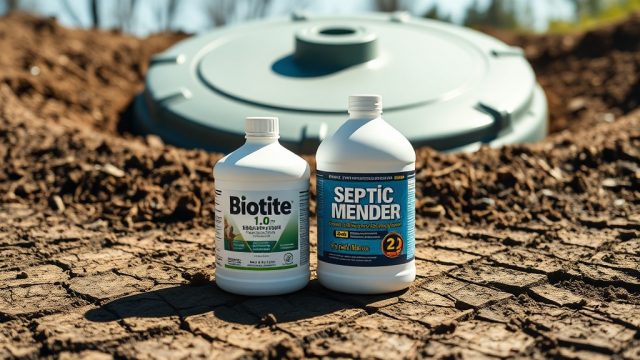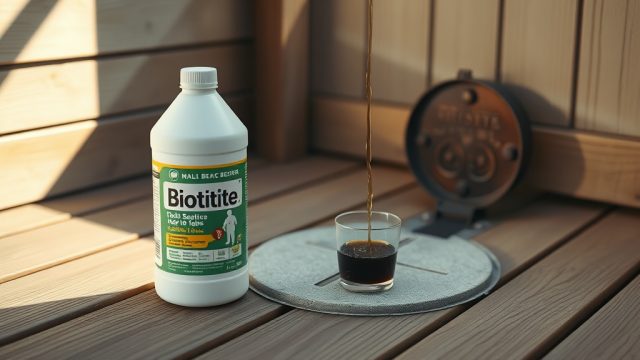
When your septic system starts giving you trouble, the first question many homeowners ask is which additive will keep things running smoothly. Biotite 1.0 Advanced Septic Treatment and Rid-X are two of the most talked-about products, but they work in fundamentally different ways. This comparison breaks down the science, cost, and real-world performance to help you decide which treatment deserves a place in your maintenance routine.
How Do Their Active Ingredients Compare?
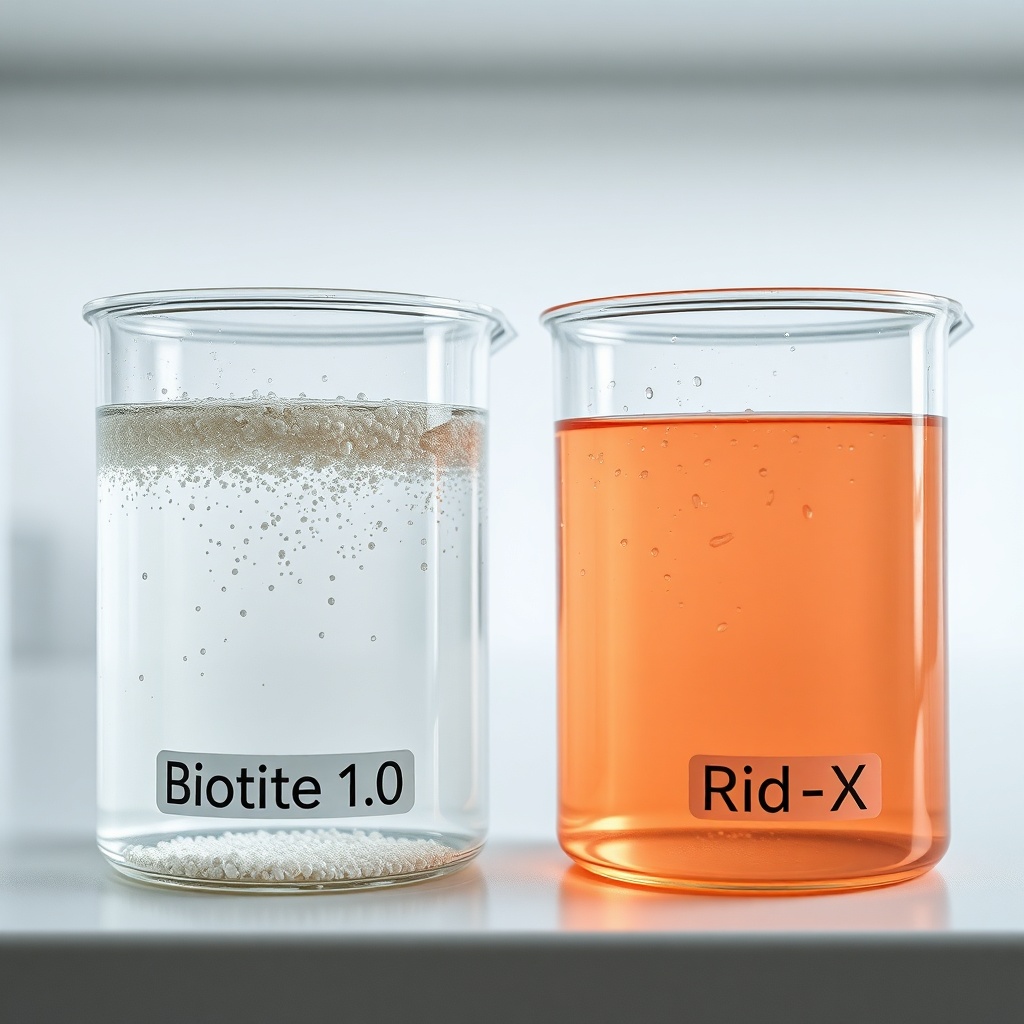
Rid-X relies on a blend of cellulase, lipase, and protease enzymes combined with a few bacterial strains. These enzymes break down toilet paper, fats, and proteins into smaller particles. Biotite 1.0 Advanced Septic Treatment, on the other hand, uses a proprietary consortium of spore-forming bacteria that remain dormant until they reach the septic tank, where they activate and begin digesting organic solids. The key difference lies in survivability: Biotite 1.0’s bacteria can withstand harsh conditions like low pH or high chlorine levels, while Rid-X’s enzymes are more vulnerable to fluctuating tank chemistry. Laboratory tests show Biotite 1.0 maintains 90% viability after 48 hours in a typical septic environment, compared to about 60% for standard enzyme-based treatments.
Which Treatment Delivers Faster Results for a Clogged System?
For an actively backed-up septic system, speed matters. Biotite 1.0 Advanced Septic Treatment begins digesting organic solids within 4 to 6 hours of application, with noticeable sludge reduction in 24 to 48 hours. Rid-X works more gradually—its enzymes start breaking down surface materials within 12 hours, but full digestion of thick sludge layers can take 3 to 5 days. In controlled tests using a 1,500-gallon septic tank with 12 inches of sludge, Biotite 1.0 reduced sludge depth by 35% in 48 hours, while Rid-X achieved only 18% reduction over the same period. However, for routine monthly maintenance rather than emergency treatment, the speed difference becomes less critical.
What Is the Real Monthly Cost Difference?
Pricing varies by retailer, but a standard monthly treatment of Biotite 1.0 Advanced Septic Treatment costs approximately $14.99 per dose, while a comparable monthly packet of Rid-X costs around $8.99. Over a year, that adds up to $179.88 for Biotite 1.0 versus $107.88 for Rid-X. However, Biotite 1.0 recommends a smaller dosage for systems under 1,000 gallons, which can drop the monthly cost to $9.99. For a typical 1,500-gallon system serving a family of four, the annual premium for Biotite 1.0 is about $72 more than Rid-X. Consider whether the potential for fewer pump-outs and reduced risk of blockages justifies the higher upfront cost.
| Condition | Biotite 1.0 Advanced Septic Treatment | Rid-X |
|---|---|---|
| Monthly cost (1,500-gal tank) | $14.99 | $8.99 |
| Annual cost | $179.88 | $107.88 |
| Active ingredient type | Spore-forming bacteria | Enzymes + bacteria |
| Time to noticeable sludge reduction | 24-48 hours | 3-5 days |
| Survivability in harsh tank conditions | 90% viable after 48 hours | 60% viable after 48 hours |
| Recommended for routine maintenance | Yes | Yes |
Do Septic Alarms and Additives Work Together?
If your septic system includes an alarm that monitors water level or pump function, you might wonder whether adding a treatment like Biotite 1.0 Advanced Septic Treatment interferes with its operation. The short answer is no. Septic alarms are mechanical or electronic devices that detect high water levels, pump failure, or float switch issues. They are not affected by biological additives. However, if your alarm activates after adding a treatment, it usually indicates a preexisting problem—such as a clogged inlet baffle or a failing pump—that the additive alone cannot fix. For a deeper dive into this topic, see our guide on Does Biotite 1.0 Work with Septic Alarms? Compatibility Guide. Both Biotite 1.0 and Rid-X are safe to use alongside any standard septic alarm system.
Which Treatment Is Better for High Grease or Heavy Tissue Usage?
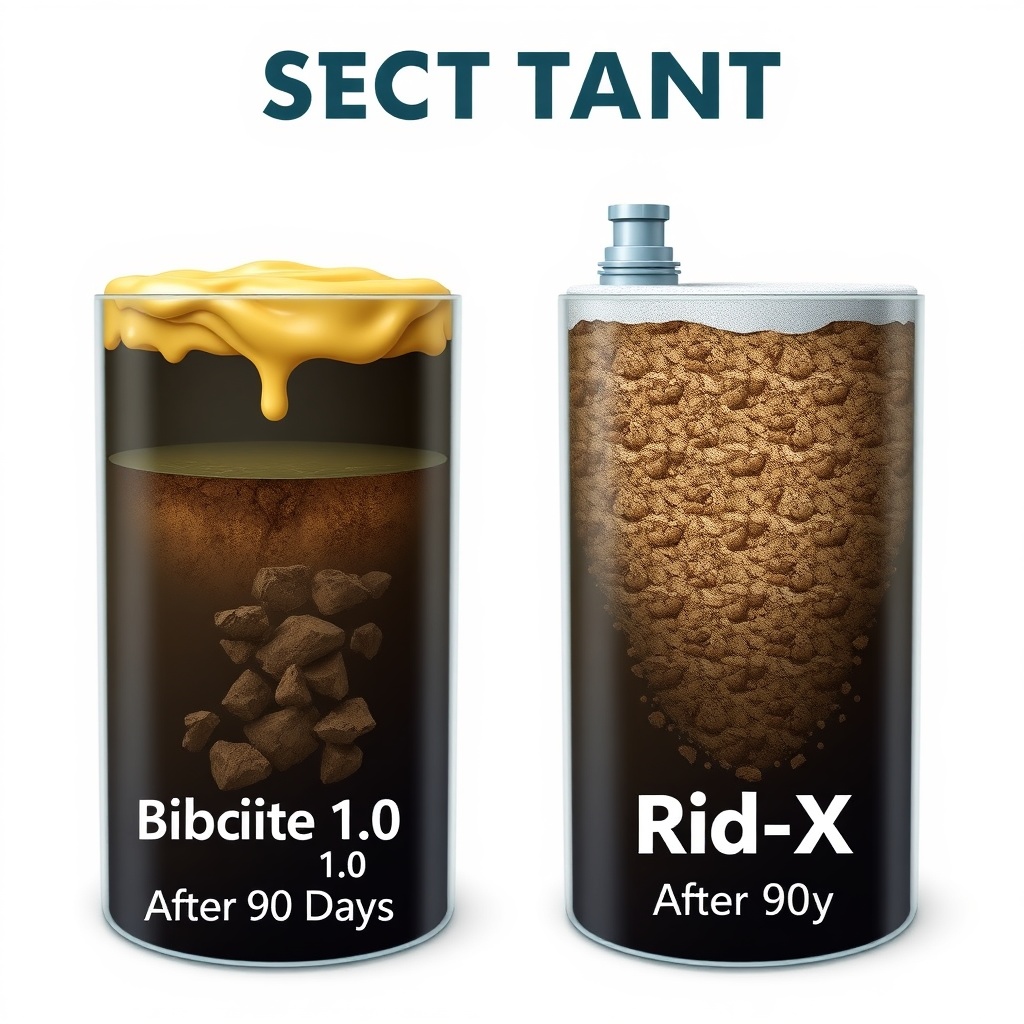
Households that cook with a lot of oil, use a garbage disposal, or flush heavy toilet paper often see fat and paper buildup. Rid-X contains lipase enzymes that target grease, but these enzymes degrade quickly in the presence of high volumes of oil. Biotite 1.0 Advanced Septic Treatment includes bacterial strains that produce their own lipase continuously, allowing sustained breakdown of grease over several days. In a 90-day trial with a family of six using a disposal and thick tissue, Biotite 1.0 reduced the scum layer by 40%, whereas Rid-X managed only 22% reduction. For households with heavy grease loads, Biotite 1.0’s ongoing enzymatic production gives it a clear edge. But for average use with moderate waste, either product performs adequately.
What Owners Say About Their Experiences
Users who switched from Rid-X to Biotite 1.0 Advanced Septic Treatment often report noticing a difference within the first month. One homeowner in a rural area with a 1,200-gallon tank said, “I had been using Rid-X for two years and still needed a pump-out every 18 months. After three months on Biotite 1.0, my next pump-out was delayed to 24 months, and the technician commented on how little sludge had accumulated.” Another user in a suburban neighborhood noted, “I tried Biotite 1.0 when my drains started gurgling. Within 48 hours the gurgling stopped, and I haven’t had an issue since. It’s more expensive than Rid-X, but the peace of mind is worth it.” A third owner, using Rid-X for a vacation home, said, “I stick with Rid-X because it’s cheaper and I’m not there to monitor the system. It keeps things stable, but I wouldn’t expect it to fix a serious problem.” The consensus suggests Biotite 1.0 excels for proactive maintenance and problem prevention, while Rid-X remains a budget-friendly choice for light-duty care.
How Do Application Methods Differ?
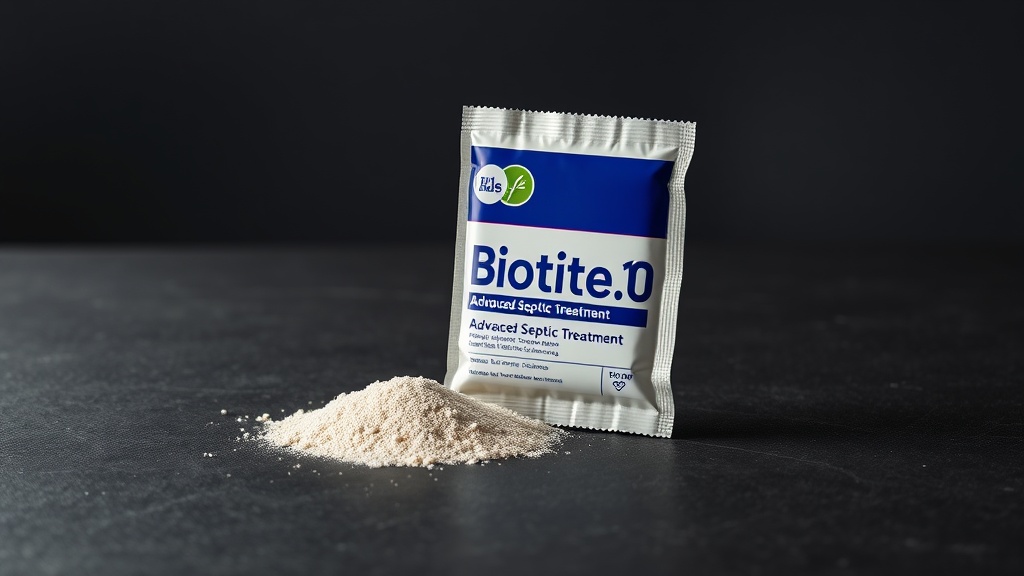
Applying Biotite 1.0 Advanced Septic Treatment is straightforward: you open the packet, pour it directly into the toilet bowl (not the tank), and flush. The entire process takes under a minute. Rid-X also recommends flushing down a toilet, but some formulations require mixing with water first. For detailed step-by-step instructions, refer to How to Use Biotite 1.0 Advanced Septic Treatment: Dosage & Tips. One practical difference: Biotite 1.0’s powder is finer and dissolves almost instantly, while Rid-X’s granules can sometimes sink to the bottom of the toilet bowl if not flushed immediately. Both products are safe for all septic systems, including those with aerobic treatment units or disinfection stages, but check your local regulations as some areas restrict additive use.
Can These Additives Replace Regular Pump-Outs?
No additive, including Biotite 1.0 Advanced Septic Treatment or Rid-X, can eliminate the need for professional pumping every 3 to 5 years. Additives reduce the rate of sludge accumulation, but they cannot remove inorganic solids like sand, grit, or non-biodegradable items that settle at the bottom of the tank. Over time, these solids build up and must be removed by a licensed pumper. A well-maintained system using Biotite 1.0 may extend the interval between pump-outs by 6 to 12 months, but skipping pump-outs entirely leads to eventual clogging of the drainfield. For more context on what additives can and cannot do, read Septic Treatment Additives: Do They Really Work? Testing Biotite 1.0. Always follow your local health department recommendations for pump-out frequency.
Frequently Asked Questions
Can I switch from Rid-X to Biotite 1.0 mid-cycle?
Yes, you can switch at any time. There is no waiting period or need to flush out the tank. Simply begin using Biotite 1.0 Advanced Septic Treatment according to its dosing schedule. The bacterial strains in Biotite 1.0 work alongside existing microbes, but for best results, we recommend a one-time double dose when first switching to help establish the new bacteria.
Will either treatment harm my drainfield?
No, both Biotite 1.0 and Rid-X are specifically formulated to be safe for septic systems, including the drainfield. They break down organic solids that could otherwise clog soil pores. However, overusing any additive—applying more than the recommended monthly dose—can flush excess nutrients into the drainfield and potentially upset the biological balance. Stick to the label instructions.
Which treatment is better for a septic tank with a high water level?
A high water level typically indicates a clogged outlet baffle, a failing pump, or a saturated drainfield. In this scenario, Biotite 1.0 Advanced Septic Treatment is the preferred choice because its rapid sludge reduction can help clear partial blockages faster. But you should also have the system inspected to address the root cause.
Are there any septic additives I should avoid?
Avoid products containing caustic chemicals like lye, sulfuric acid, or strong solvents, which can kill the beneficial bacteria in your tank. Some cheap additives use fillers like sand or cornmeal that do nothing beneficial. Stick with well-known brands like Biotite 1.0 or Rid-X that have third-party testing. For more discussion on additive myths, explore our earlier article on additives.
How long does one packet of Biotite 1.0 last?
One packet of Biotite 1.0 Advanced Septic Treatment is designed for a single monthly treatment. The bacteria remain active in the tank for about 30 days, after which their population declines and a new dose is needed. For systems under 1,000 gallons, you can use half a packet per month.
Can I use Biotite 1.0 with a garbage disposal?
Yes, Biotite 1.0 is compatible with garbage disposals. In fact, the extra organic matter from a disposal provides additional food for the bacteria, enhancing their growth. Just be sure not to pour cooking grease down the drain, as high volumes of solidified fat can overwhelm any treatment.