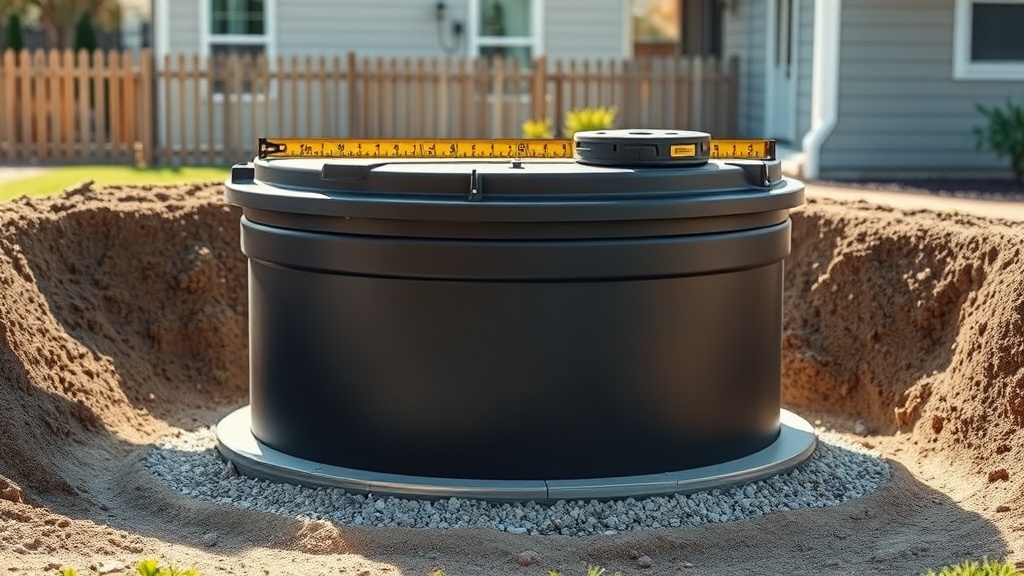
The Realities of Norwesco 1000 Gallon Septic Tank Replacement
Replacing a septic tank is a major undertaking, and the Norwesco 1000 gallon model has become a frequent choice for homeowners seeking a durable, lightweight polyethylene system. This guide provides the detailed, ground-level information you need to navigate a full replacement, from evaluating your existing system to final backfill. Understanding the specific weight, installation depth, and connection requirements of this tank can save you from costly mistakes and permit violations.
1. Why Replace a Septic Tank with a Norwesco 1000 Gallon Model?
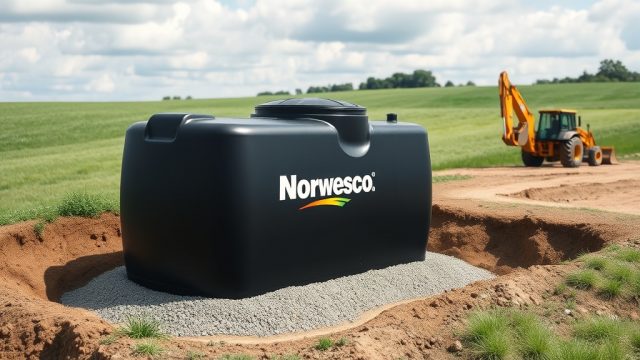
Homeowners typically pursue a Norwesco 1000 gallon septic tank replacement when the existing concrete or steel tank has failed due to corrosion, cracking, or root intrusion. The Norwesco unit offers distinct advantages: its roto-molded polyethylene construction is impervious to rust and chemical corrosion, and at roughly 450 pounds (204 kg) empty, it can often be installed by a small crew without heavy equipment, reducing labor costs. For homes with three to four bedrooms and typical water usage, this capacity meets most local health department requirements. Additionally, the one-piece seamless design eliminates the risk of joint leaks common with sectional tanks.
2. How Do I Prepare My Site for a Norwesco 1000 Gallon Tank Install?
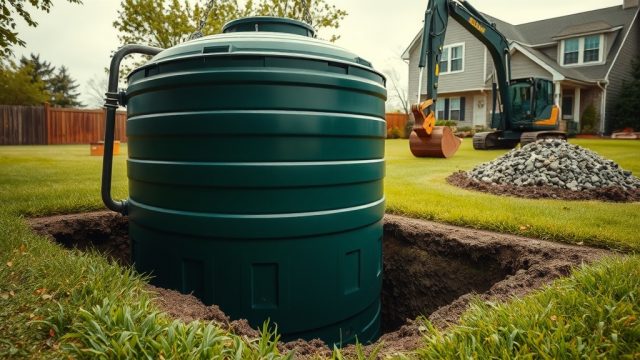
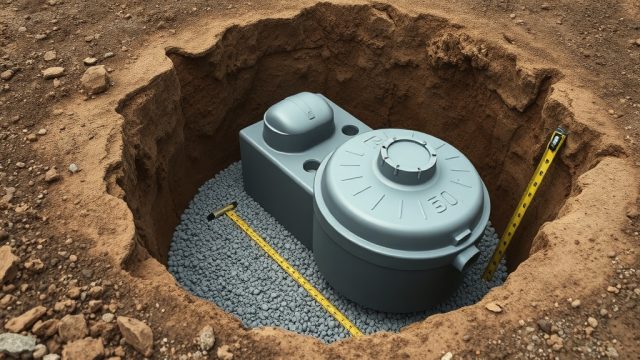
Site preparation is the most critical phase of a Norwesco 1000 gallon septic tank replacement. Start by locating the old tank and marking all underground utilities—call 811 at least 48 hours before digging. The tank measures approximately 104 inches long, 60 inches wide, and 60 inches deep (8’8” x 5’ x 5’), so the excavation must be at least 10 feet long, 7 feet wide, and 6.5 feet deep to allow for 4 inches of compactable sand bedding on all sides.
Key preparation steps include:
- Obtain the necessary Permit Requirements for Norwesco 1000 Gallon Septic Tank Installation from your local health department or building inspector.
- Ensure the excavation floor is level and compacted to a minimum bearing capacity of 3,000 psf.
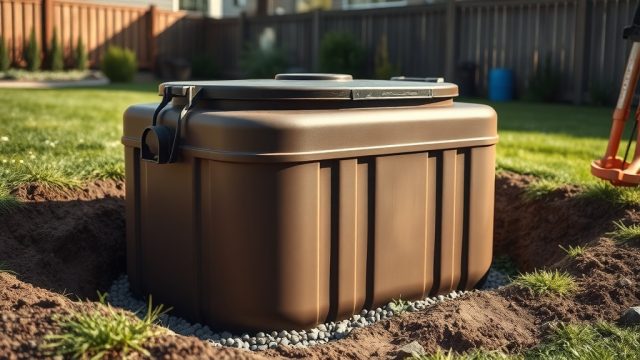
- Place 4 inches of clean, washed sand or pea gravel as the bedding layer; never use clay or silt.
- Position the tank so that the inlet and outlet stubs align with the existing sewer line and Proper Drainfield Sizing for Norwesco 1000 Gallon Tank.
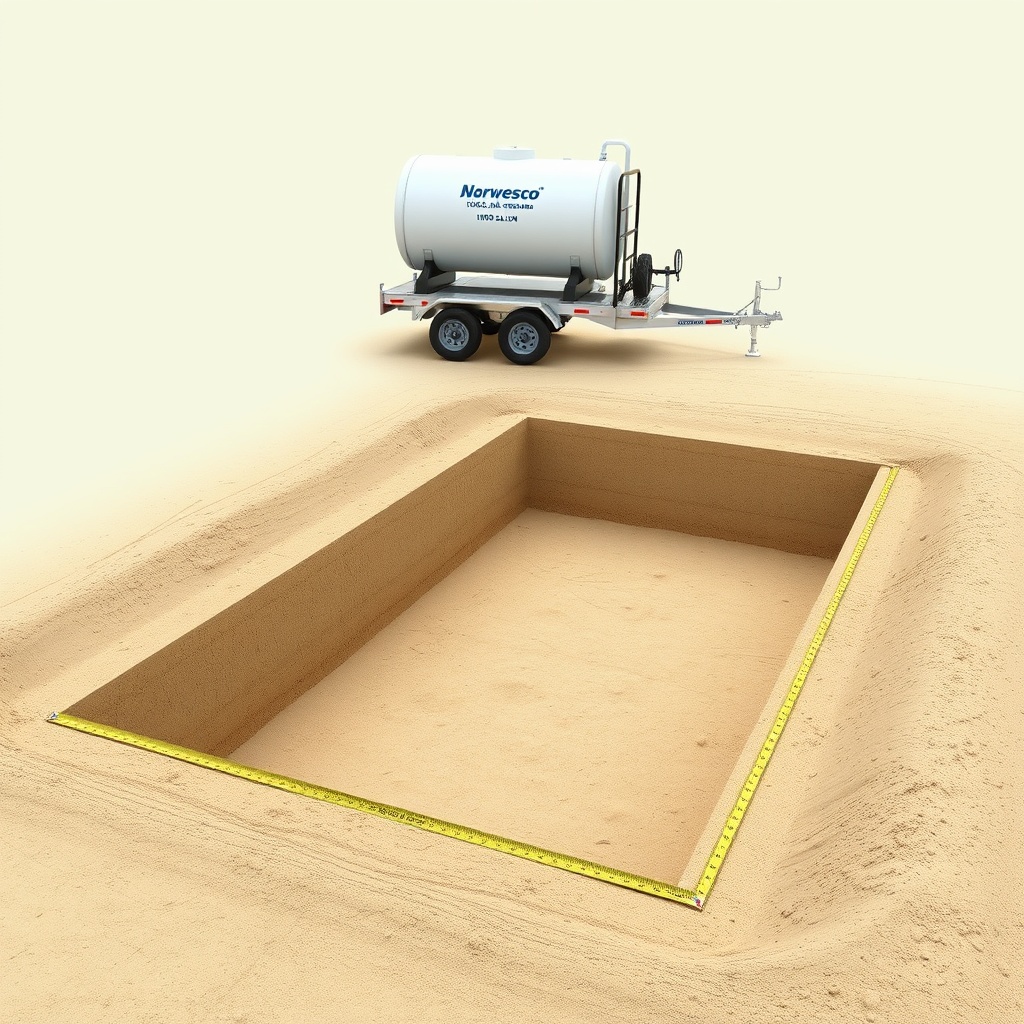
3. What Is the Step-by-Step Process for Lifting and Placing the Tank?
Due to its lightweight poly construction, the Norwesco 1000 gallon tank requires careful handling to avoid damage. The tank has four lifting lugs at the corners; use nylon straps rated for at least 1,500 pounds evenly distributed. Never use chains or steel cables, as they can gouge the plastic.
The placement process:
- Backfill preparation: Prior to lowering, apply a 4-inch layer of sand to the excavated floor. Pre-install the outlet baffle (included) to prevent solids from escaping to the drainfield.
- Lowering: Use a mini-excavator or backhoe to lower the tank slowly. Align the inlet and outlet stubs horizontally with the existing 4-inch PVC pipes. The tank must be level within 1/4 inch across its length and width.
- Pipe connections: Connect the inlet pipe using a 4-inch rubber coupling (Fernco style) and stainless steel clamps. Insert the outlet pipe through the outlet baffle. Use primer and solvent cement on all PVC joints.
- Final backfill: Place 6 inches of sand or gravel around the tank sides, compacting in 4-inch lifts. Fill above the tank to at least 12 inches of cover (or the depth specified in your permit) before allowing vehicle traffic over the area.
4. Comparing Norwesco 1000 to Other Replacement Materials
When selecting a replacement tank, concrete and steel remain options, but they come with trade-offs. The table below highlights how the Norwesco polyethylene tank compares against a typical 1,000-gallon concrete tank in common installation scenarios.
| Feature | Norwesco Polyethylene | Standard Concrete |
|---|---|---|
| Empty weight | ~450 lbs | ~8,000 lbs |
| Corrosion resistance | Excellent (plastic) | Fair (rebar can rust) |
| Installation crew size | 2–3 people + mini-excavator | 4–6 people + crane |
| Typical cost (tank only, £) | £900–£1,200 | £1,500–£2,500 |
| Installation labor (approx., £) | £600–£900 | £1,200–£2,000 |
| Lifespan in low-acid soil | 30–50 years | 20–30 years |
| Seam integrity | One-piece, no seams | Sectional (joint leak risk) |
| Flotation risk without anchorage | High | Low |
5. What Are the Risks of Improper Installation During Replacement?
Even with a quality Norwesco 1000 gallon septic tank replacement, mistakes during installation can lead to major headaches. The most common issue is flotation: because the tank is lightweight, it can act like a boat in saturated soil. If the groundwater table rises above the tank base without proper anchorage, the tank can pop out of the ground, breaking inlet and outlet pipes. Another risk is misalignment of pipes, which can cause sewage backups into the home. Lastly, failing to provide adequate sand backfill can create voids that lead to ground settling over time, damaging the tank.
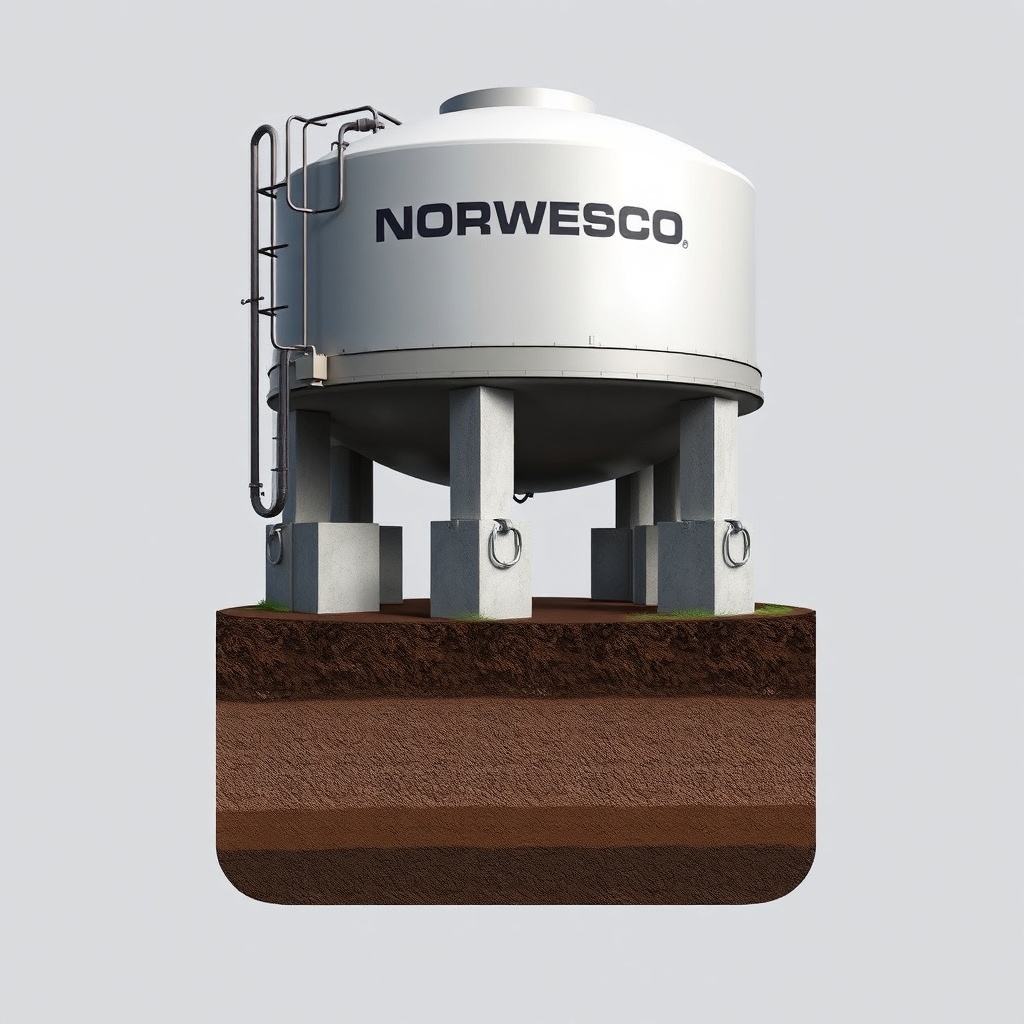
To avoid these issues, always anchor the tank with concrete collars or straps if your site has a high water table—this is often mandatory per local codes. Also, ensure the installation crew follows the manufacturer’s specifications for bedding and backfill. For an in-depth look at 5 Common Septic Tank Problems and How to Fix Them, including flotation and pipe misalignment, see our troubleshooting guide.
6. What Do Homeowners Say About the Norwesco 1000 Replacement Experience?
Feedback from homeowners who have completed a Norwesco 1000 gallon septic tank replacement tends to focus on three themes: ease of handling, long-term reliability, and cost transparency. Many report that the lightweight nature of the tank allowed them to complete the project in one day with a small crew, whereas concrete tanks often require a full weekend and multiple heavy equipment rentals. Others note that after five to ten years, they have experienced zero leaks or corrosion, unlike their previous concrete tanks that had developed cracks within 15 years.
One homeowner in clay-heavy soil commented, “I was worried about the plastic tank cracking under pressure, but after two years and several freeze-thaw cycles, it’s solid.” Another remarked on the importance of proper anchoring: “My first Norwesco replacement failed because we didn’t anchor it—it popped up after a heavy rain. The second time we used concrete collars, and it’s been perfect for six years.” The consensus is strong that when installed correctly, the tank offers excellent value for money, especially given its lifespan and low maintenance.
Frequently Asked Questions
How deep should a Norwesco 1000 gallon tank be buried during replacement?
The top of the tank should have a minimum of 12 inches of soil cover, but local codes may require 18–24 inches to prevent freezing. Always check the Permit Requirements for Norwesco 1000 Gallon Septic Tank Installation for your specific depth.
Can a Norwesco 1000 gallon tank be installed without heavy equipment?
Yes, because the tank weighs only about 450 pounds empty, a small crew of three strong individuals can lift it manually using lifting straps. However, a mini-excavator is still recommended for excavation and backfill.
What is the current price of a Norwesco 1000 gallon septic tank in the UK?
Prices vary by supplier but generally range from £850 to £1,300 (GBP) for the tank alone, with delivery costs of £50–£150. Complete replacement installations including labor can cost between £2,500 and £4,500.
How long does a Norwesco polyethylene septic tank last?
With proper installation and minimal ground movement, these tanks typically last between 30 and 50 years. The polyethylene material is resistant to acids and alkalis found in everyday waste.
Do I need to replace the drainfield as well when installing a new Norwesco tank?
Not necessarily, but it is a good idea to evaluate the drainfield condition. If your system was failing due to a broken tank, the drainfield may still be functional. Consult an inspector to determine if Proper Drainfield Sizing for Norwesco 1000 Gallon Tank is needed.
Can I install the Norwesco 1000 tank myself to save money?
While it is possible for a DIY enthusiast, it is not recommended due to the complexity of proper site preparation, pipe connections, and insulation requirements. Many local authorities require a professional installation to pass inspection.