How to Use Biotite 1.0 Advanced Septic Treatment: Dosage & Tips
Using Biotite 1.0 Advanced Septic Treatment correctly is the difference between a properly functioning septic system and one that requires costly repairs. This concentrated biological additive is designed to restore the bacterial balance in your septic tank, but only when applied with the right dosage and schedule. In this guide, we break down the exact steps for using Biotite 1.0, including monthly and shock dosages, as well as practical tips to maximize its effectiveness.
What Is the Correct Monthly Dosage for Biotite 1.0?
The standard maintenance dose for a typical residential septic tank (up to 1,500 gallons) is one pre-measured packet of Biotite 1.0 per month. Each packet contains a blend of aerobic and anaerobic bacteria, enzymes, and nutrients designed to break down solid waste and prevent sludge buildup. For tanks between 1,500 and 2,500 gallons, use two packets per month. If your household uses a garbage disposal or hosts frequent gatherings, double the dose temporarily, but do not exceed four packets in a single month without first checking your system’s condition.
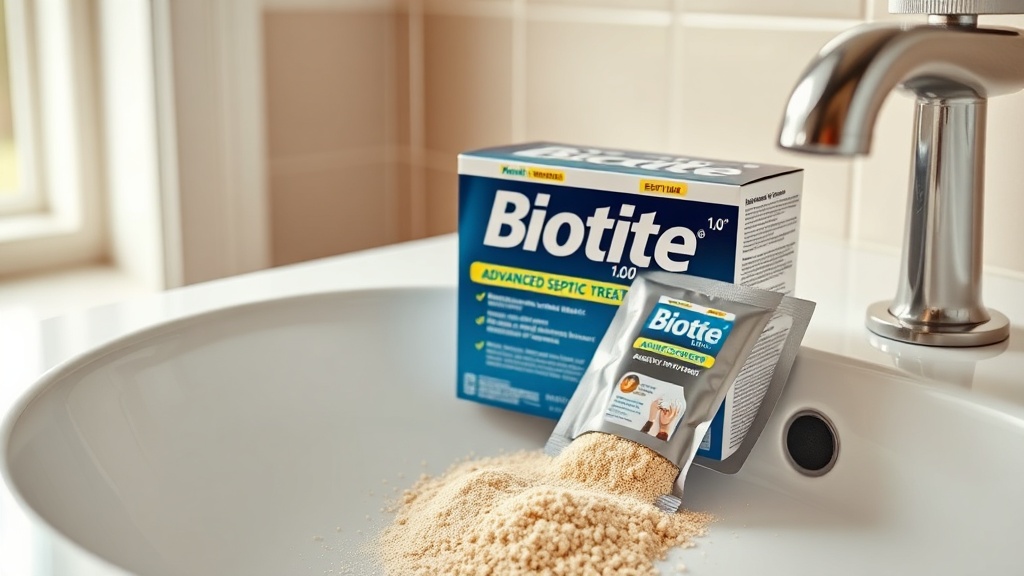
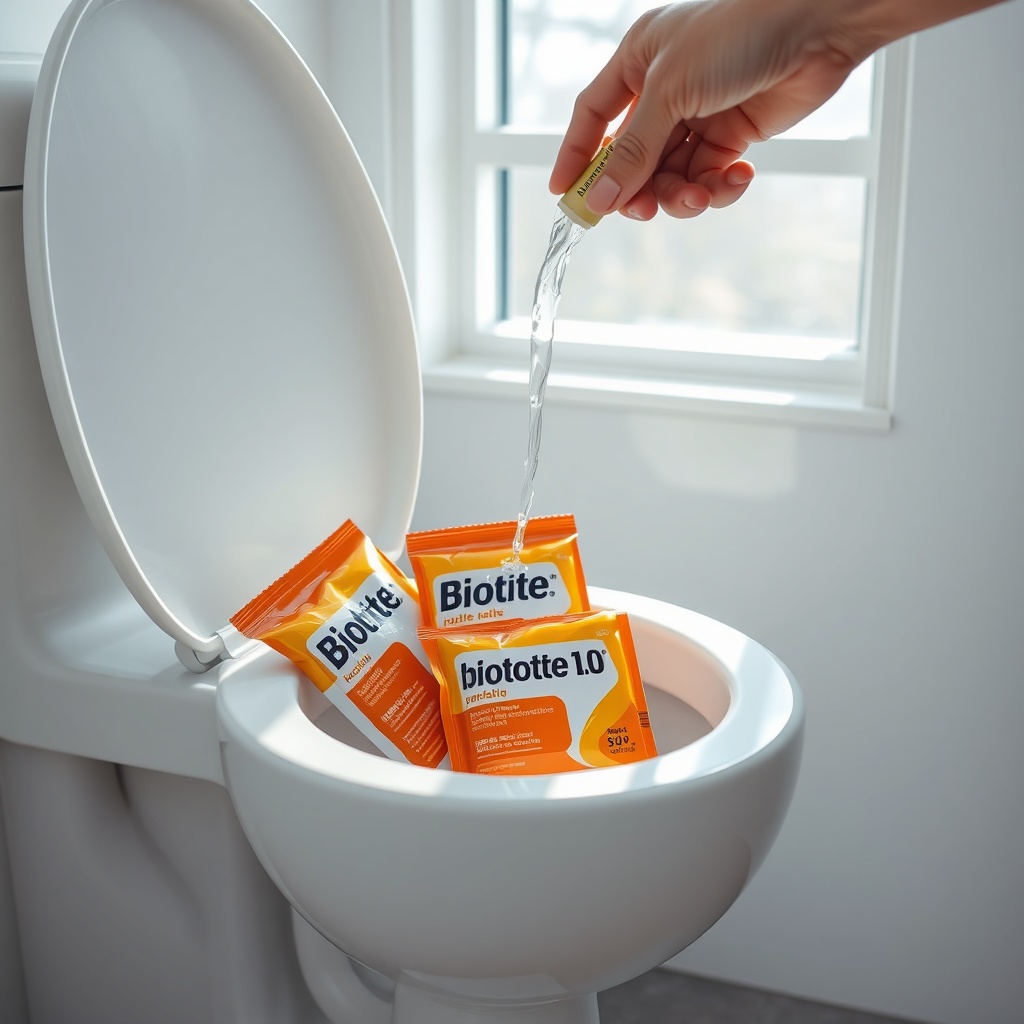
Always pour the contents of a packet directly into the toilet bowl (not the sink or shower) and flush. This ensures the bacteria reach the tank via the main waste line. Do not mix Biotite 1.0 with household bleach or harsh drain cleaners; these chemicals can kill the bacteria before they have a chance to work. For best results, apply Biotite 1.0 on the same day each month, such as the first Saturday after your tank had its last pump-out.
How to Perform a Shock Treatment with Biotite 1.0
A shock treatment is necessary after septic system misuse, such as a large party, antibiotic use in the household, or a long vacation where the tank sat idle. For shock dosing, use three packets of Biotite 1.0 applied over a 24-hour period. Space the doses: one packet in the morning, one at midday, and one in the evening, each flushed down a different toilet if possible. Do not shock a tank that is already experiencing backups—contact a professional first.
After a shock treatment, expect the system to take 48 to 72 hours to stabilize. You may notice more gurgling sounds or temporary odors near the tank after the first 24 hours; this is normal as the bacteria work aggressively on accumulated solids. Repeat a shock treatment only if your septic pumper confirms high sludge levels during a routine inspection. Overuse of shock doses can lead to excessive gas production and potential odor issues.
When Should You Adjust the Dosage for Your Household?
The standard monthly dose works for a family of four with average water usage (about 300 gallons per day per person). If you have more occupants, a home-based business (like a hair salon or daycare), or heavy laundry days, you may need to increase the Biotite 1.0 dose. Add one extra packet per month for each additional two people beyond four. For households that primarily use septic-safe cleaning products, a single packet per month is sufficient.
Conversely, if you have a smaller household (one or two people) and a larger tank (over 1,500 gallons), you can reduce the dose to one packet every two months. However, do not skip months entirely; Biotite 1.0 works best when bacteria levels are consistently maintained. Low dose conditions can allow sludge to accumulate faster than it breaks down, eventually requiring earlier pump-outs. You can find more context in our article, Biotite 1.0 vs Rid-X: Which Septic Treatment Performs Better?, where we compare dosing strategies between these two popular additives.
Where Should You Apply Biotite 1.0 for Maximum Effectiveness?
Always apply Biotite 1.0 through the toilet in the bathroom closest to the main septic stack. Avoid pouring it down kitchen or bathroom sinks because the P-trap and short drain path may trap the bacteria before they reach the tank. If you have a septic tank with a distribution box, ensure the Biotite 1.0 is not introduced directly into the drain field—the bacteria need the anaerobic environment of the tank to colonize.
Never apply Biotite 1.0 through a garbage disposal, as the grinding action can physically damage the live bacteria cells. For homes with a basement bathroom, use that toilet if possible, as the longer drain run gives the bacteria a few seconds to mix with waste water. After application, run a small amount of water (a shower or a load of laundry) to help move the bacteria through the pipes. Be aware that certain septic alarms may indicate a higher water level after dosing; check our guide Does Biotite 1.0 Work with Septic Alarms? Compatibility Guide to learn how to interpret these readings.
How to Store Biotite 1.0 Packets to Preserve Potency
Biotite 1.0 contains live microorganisms that are sensitive to heat, moisture, and UV light. Store unopened packets in a cool, dry place where temperatures stay between 50°F and 80°F (10°C to 27°C). The best location is a closet or pantry away from water pipes, water heaters, or direct sunlight. Do not store packs in a garage or shed where summer heat can exceed 85°F, as this can kill the bacteria spores within weeks.
Once you open a packet, use the entire contents immediately—do not reseal or store partially used packets. Discard any packets that are punctured, wet, or bloated (signs of contamination). The shelf life of unopened Biotite 1.0 is approximately two years from the manufacturing date printed on the foil. Mark the purchase date on the box with a sharpie to track freshness. If you buy in bulk, rotate stock so older packets are used first. For more background on how biological additives degrade, see Septic Treatment Additives: Do They Really Work? Testing Biotite 1.0.
What Should You Do If You Miss a Monthly Dose?
If you realize you missed a dose within the first week of the missed month, simply apply the packet as soon as possible and resume your normal monthly schedule. The bacteria colony can handle a minor interruption, especially if your tank was in good condition before the lapse. If two or more months have passed without Biotite 1.0, use a shock treatment (three packets in one day) to restart the colony, then continue with monthly doses.
Missed doses become a problem when combined with heavy household use or poor water retention. If you notice the sludge layer has thickened (your septic pumper will tell you during inspection), you may need to schedule a pump-out first before restarting Biotite 1.0. Do not attempt to “catch up” by dumping multiple packets at once; this can cause a sudden burst of gas production that may upset the tank’s stability. A consistent schedule matters more than any single dose.
What Owners Say About Biotite 1.0 Dosing
Septic system owners who follow the Biotite 1.0 dosing instructions report fewer pump-outs and less frequent drain field issues. One user from Minnesota shared, “I’ve been using one packet on the first of every month for 14 months. My pumper said my sludge level dropped from 12 inches to 6 inches between annual visits.” Another owner in Florida noted, “After a shock treatment following a vacation, my tank smelled less and my alarm stopped beeping within three days. The instructions were easy to follow.”
Some owners caution about overconfidence. A user from Oregon explained, “I doubled the dose during a big family reunion, but the next week my drainfield had a sulfur smell. I called my pumper, who said I’d created too much biological activity too fast. Now I stick to the single packet and add an extra only if I’m expecting heavy use for several days.” These real-world experiences underline the importance of following the dosage table and adjusting gradually rather than dramatically.
| Symptom or Situation | Severity Level |
|---|---|
| Sludge level less than 6 inches, monthly dose given on schedule | Routine — no action needed |
| Sludge level between 6-10 inches, monthly dose missed once | Needs attention — apply missed dose and resume schedule |
| Sludge level over 10 inches, more than 2 months without Biotite 1.0 | Needs attention soon — schedule pump-out, then restart Biotite 1.0 with shock dose |
| Gurgling drains or odor after shock treatment lasting more than 3 days | Needs attention — contact septic professional to check for blockages |
| Alarm sounds within 24 hours of Biotite 1.0 application | Usually not urgent — likely normal water level fluctuation; check compatibility guide |
| Tank backing up into house, combined with missed doses for 6+ months | Needs attention soon — emergency pump-out required before any additive use |
Frequently Asked Questions
Can I use Biotite 1.0 with a septic system that has an alarm?
Yes, Biotite 1.0 is compatible with most septic alarms. However, you may see the alarm briefly activate after dosing because the bacteria can increase water level fluctuations as they work. This is usually temporary and not a cause for concern. For detailed guidance, see our compatibility guide.
Is Biotite 1.0 safe for all septic tank types?
Biotite 1.0 is formulated for conventional anaerobic septic tanks, aerobic treatment units (ATUs), and cesspools. Do not use it in systems with effluent filters that are rated for less than 0.5mm pore size, as the bacteria particles may reduce flow. Always consult your system’s manual first.
How does Biotite 1.0 compare to Rid-X?
Biotite 1.0 uses a higher concentration of live bacteria and enzymes compared to Rid-X’s standard formula. Users report faster sludge reduction and fewer odors when switching. However, both products require consistent monthly dosing. For a side-by-side breakdown, read Biotite 1.0 vs Rid-X.
Can Biotite 1.0 damage my septic system if overdosed?
Overdosing Biotite 1.0 occasionally will not damage the physical tank or pipes, but it can create excessive gas production, leading to sulfur odors and temporary drain field wetness. Stick to the recommended doses and use shock treatments only when necessary. If you accidentally exceed 4 packets in one month, run extra water to help flush the system.
Do I still need to pump my tank if I use Biotite 1.0?
Yes. Biotite 1.0 reduces sludge buildup, but it does not eliminate the need for periodic pumping. Most homeowners with Biotite 1.0 can extend pump intervals from every 3 years to every 4-5 years, depending on household size. Have your sludge depth checked annually to determine your specific schedule.
How long does Biotite 1.0 take to start working after the first dose?
You may notice a slight change in drain sound or water level within 48 hours of the first dose. Full bacterial colonization takes about 10-14 days. For best results, avoid using harsh drain cleaners during this initial period. If you have a new tank, allow the system to stabilize for at least one month before evaluating Biotite 1.0’s effect.