Cost Comparison: Polyethylene vs Concrete Septic Tanks – Which Is Cheaper in the Long Run?
When planning a new septic system or replacing an aging one, the choice between polyethylene and concrete tanks often comes down to upfront cost versus long-term expenses. While polyethylene tanks may appear more expensive at first glance, their lightweight design, corrosion resistance, and lower installation costs can offset the initial price gap. This article breaks down the real costs—material, installation, maintenance, and lifespan—to help you decide which tank delivers better value over 20 to 30 years.
1. What Is the Average Upfront Cost for Polyethylene and Concrete Septic Tanks?
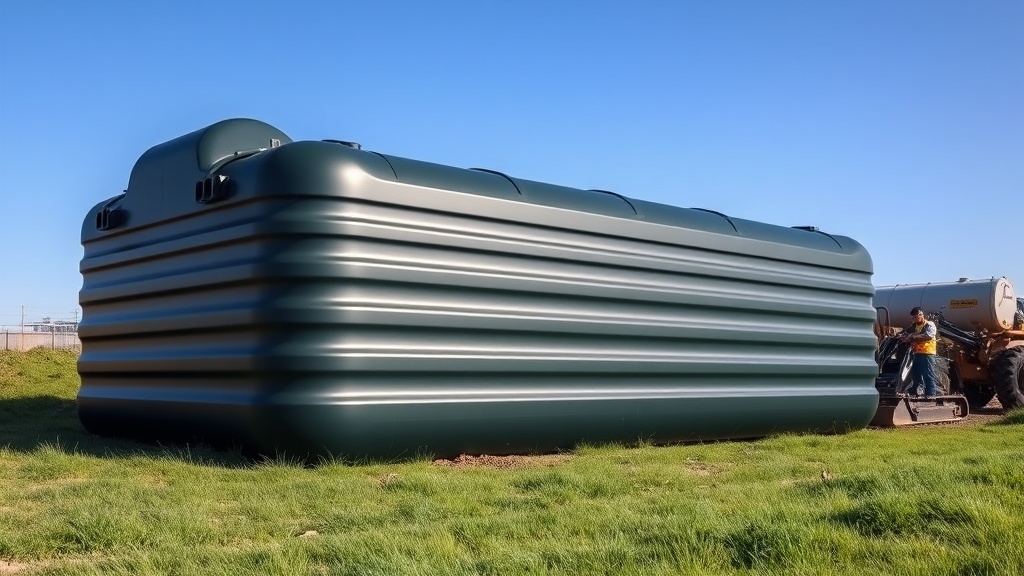
The sticker price of a septic tank varies by size, region, and manufacturer, but here are typical ranges for a standard 1,000-gallon residential tank. Polyethylene tanks usually cost between $800 and $1,500, while concrete tanks range from $600 to $1,200. However, these figures only tell part of the story. Polyethylene tanks are factory-made and shipped as a single unit, meaning no on-site fabrication costs. Concrete tanks, while cheaper at the yard, often require heavy equipment to transport and set, adding $300 to $600 to the project if a crane or boom truck is needed.
Additionally, polyethylene tanks are seamless and pre-tested for leaks, reducing the risk of costly failures during installation. Concrete tanks, especially older or poorly cured ones, may develop cracks or hairline fractures during transport, leading to future repair bills. The upfront cost advantage of concrete shrinks when you factor in these hidden expenses.
2. How Do Installation and Labor Costs Compare Between Polyethylene and Concrete?
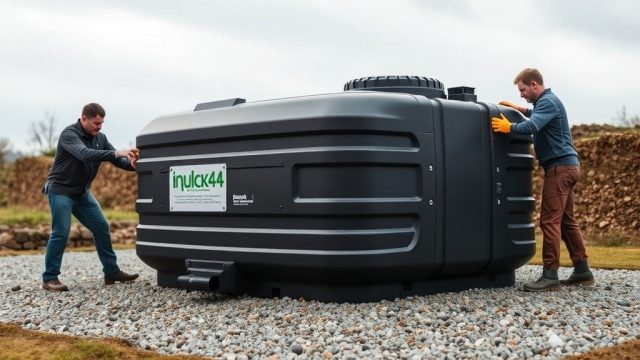
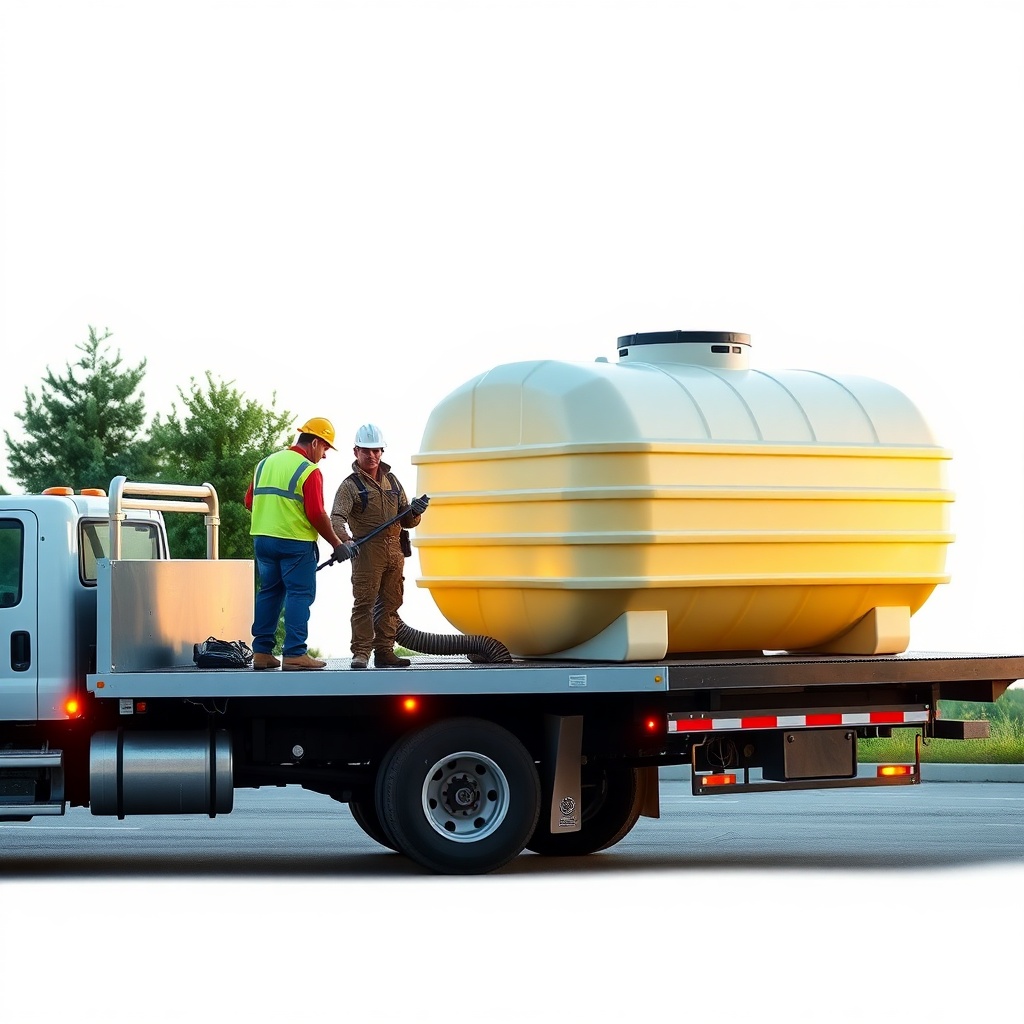
Installation cost is where polyethylene tanks truly shine. Weighing just 200 to 400 pounds for a 1,000-gallon model, polyethylene tanks can be moved by hand or with a small excavator, eliminating the need for a crane. Typical installation labor runs $400 to $800, including excavation backfill and connections. In contrast, concrete tanks weigh 4,000 to 8,000 pounds, demanding a crane or boom truck (often $200-$400 extra), reinforced base preparation, and careful lowering into the pit. Total concrete installation can exceed $1,200 to $1,800.
Polyethylene tanks also require less gravel bedding because their flexible wall design distributes load evenly. Concrete tanks, being rigid, may crack if the base settles unevenly. Over the long term, polyethylene’s lighter weight reduces soil compaction around the tank, which can improve drain field performance. For remote or difficult-access sites, polyethylene’s portability often makes it the cheaper option overall.
| Feature | Polyethylene Septic Tank | Concrete Septic Tank |
|---|---|---|
| Average Unit Cost | $800 – $1,500 | $600 – $1,200 |
| Weight (empty) | 200 – 400 lbs | 4,000 – 8,000 lbs |
| Installation Cost (incl. crane) | $400 – $800 | $1,200 – $1,800 |
| Total Installed Cost | $1,200 – $2,300 | $1,800 – $3,000 |
| Lifespan (typical) | 30 – 40 years | 20 – 30 years |
| Corrosion Resistance | Excellent (rust-proof) | Good (may crack due to acidic soil) |
| Maintenance Costs/year | $0 – $100 (inspections) | $50 – $200 (crack repairs) |
| Resale Value | High (modern, reliable) | Variable (depends on age) |
3. What Are the Long-Term Maintenance and Repair Costs?
Concrete septic tanks, while durable, are prone to cracking from earth shifts, tree roots, or acidic groundwater. Repairing a crack often requires sealing with epoxy or even tank lining, costing $500 to $1,500. Polyethylene tanks, being non-corrosive and flexible, rarely need structural repairs—their seamless walls resist ground movement. Routine maintenance for both types includes pumping every 3–5 years ($200–$400 per pump), but concrete tanks may require more frequent inspections for cracks.
Over a 30-year lifespan, a concrete tank owner might spend $1,000 to $3,000 on crack repairs and extra inspections, while polyethylene owners typically spend $0 to $500 on unplanned repairs. Additionally, polyethylene tanks are less likely to develop root intrusion because of their smooth, non-porous surface. The long-term cost advantage of polyethylene becomes clear when you factor in these avoided repair bills.
4. How Does Lifespan Affect the Total Cost of Ownership?
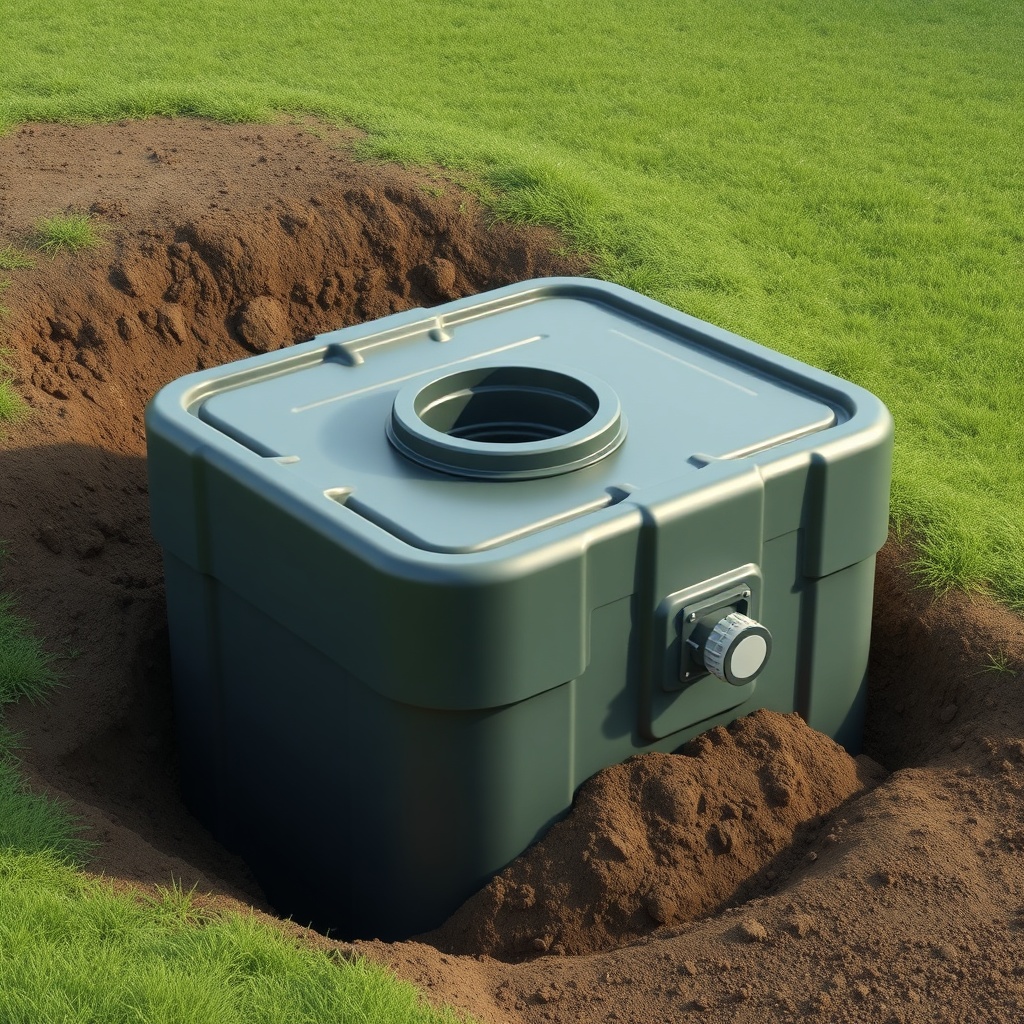
A well-maintained polyethylene septic tank typically lasts 30 to 40 years, whereas concrete tanks average 20 to 30 years before major deterioration. Concrete tanks in aggressive soil conditions (high acidity, high sulfate) may fail in as little as 15 years. If you plan to stay in your home for the long haul, polyethylene’s longer lifespan means you may never need to replace the tank—saving $1,000 to $3,000 in future replacement costs.
Concrete tanks also degrade faster if not protected by a liner or coating. Polyethylene tanks are manufactured with UV-stabilized resin, making them resistant to sunlight damage during storage. When calculating cost per year, polyethylene averages $30–$50 per year over 40 years, while concrete runs $50–$100 per year over 20-30 years—even before repair costs. For homeowners seeking a septic tank buying guide that values longevity, polyethylene often wins.
5. Are There Regional Factors That Make One Cheaper Than the Other?
Regional soil conditions and labor rates heavily influence cost. In areas with high water tables or expansive clay soils, concrete tanks may crack due to hydrostatic pressure, leading to premature repair. Polyethylene tanks, being lighter and more flexible, can often be installed without heavy dewatering, saving thousands in site preparation. In coastal regions, saltwater corrosion destroys concrete rebar quickly, while polyethylene remains unaffected.
Conversely, in regions where concrete is extremely cheap (e.g., near a cement plant) and labor is affordable, concrete may be slightly cheaper upfront. However, even there, polyethylene’s lower installation cost and longer lifespan often offset the material price difference. Always get quotes from local installers—ask for separate line items for tank cost, delivery, and installation to see the true picture.
6. What Is the Hidden Cost of Weight Restrictions and Access?
Polyethylene tanks can be carried by a single worker or small excavator, making them ideal for tight backyards, narrow gateways, or steep slopes. Concrete tanks may require a crane that can’t access the site, forcing a total redesign or expensive anchor bolt installation. The cost of mobilizing heavy equipment can add $400 to $1,000 to a project, especially in rural areas.
Also, many municipalities now require air-testing or vacuum-testing before backfill for concrete tanks due to leak concerns—adding $200–$400 in testing fees. Polyethylene tanks are typically tested at the factory and require no on-site leak test. This hidden cost can tip the scales toward polyethylene, particularly for budget-conscious homeowners. For more on site-specific challenges, see our septic tank installation tips.
What Owners Say
Homeowners who installed polyethylene septic tanks often praise the hassle-free installation and lack of rust. “We didn’t need a huge crane, just two guys and a backhoe,” said Mark from Ohio. “Ten years later, not a single issue.” Concrete tank owners report more mixed experiences: “The concrete was cheaper, but after 15 years we had to patch a crack. I wish I’d spent a little more on poly.” Long-term owners emphasize that polyethylene’s corrosion resistance is a game-changer, especially in acidic soil. Several owners also noted that polyethylene tanks come with a longer warranty—often 30 years compared to 10–20 for concrete—adding peace of mind.
Frequently Asked Questions
Q1: Are polyethylene septic tanks as strong as concrete?
Yes, modern polyethylene tanks are engineered to withstand heavy soil loads and groundwater pressure. They are test-rated to industry standards and often exceed concrete’s load ratings when properly installed with backfill.
Q2: Does a lighter tank mean cheaper installation?
Absolutely. Polyethylene tanks weigh 90% less than concrete, reducing labor and equipment costs significantly. Most installations avoid crane fees altogether, saving $200 to $600.
Q3: Can a polyethylene tank crack in extreme cold?
Polyethylene retains flexibility at low temperatures and is less prone to cracking than concrete in freeze-thaw cycles. Proper installation with insulation may be needed in very cold regions, but it’s a minor cost.
Q4: Which tank has better resale value?
Polyethylene tanks typically add more resale value because they are newer technology, have longer warranties, and assure buyers of low future maintenance. Concrete tanks may slightly reduce value if they show age.
Q5: Is a concrete tank ever the better long-term choice?
In rare cases—very low labor costs, very cheap concrete, or if a construction crew already has a crane—concrete might be cheaper upfront. But for 9 out of 10 homeowners, polyethylene offers lower total cost over 30 years.
Q6: How do I find a good installer for either type?
Look for licensed septic contractors with experience in both tank types. Ask for references and check reviews. Many homeowners find our septic tank maintenance guide helpful for vetting contractors.