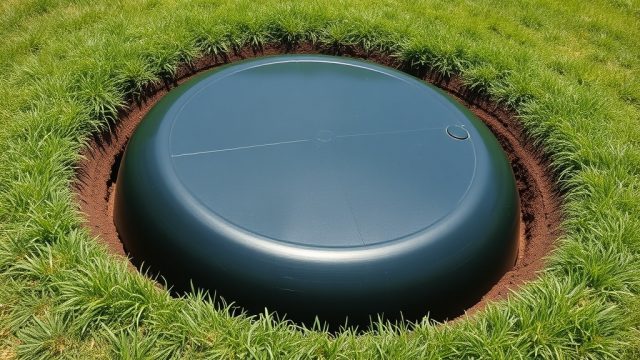
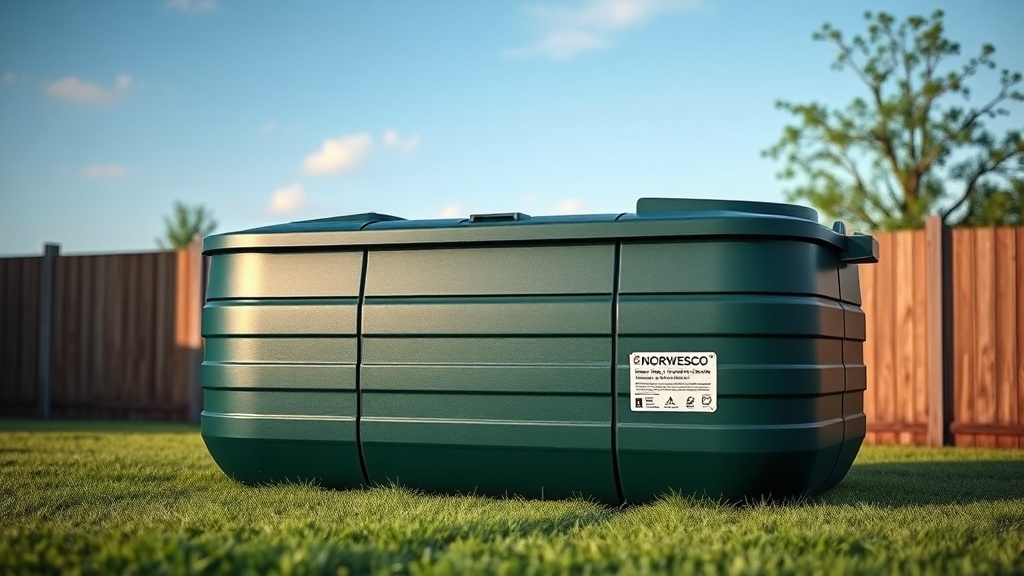
How Often Should You Pump a Norwesco 1000 Gallon Septic Tank?
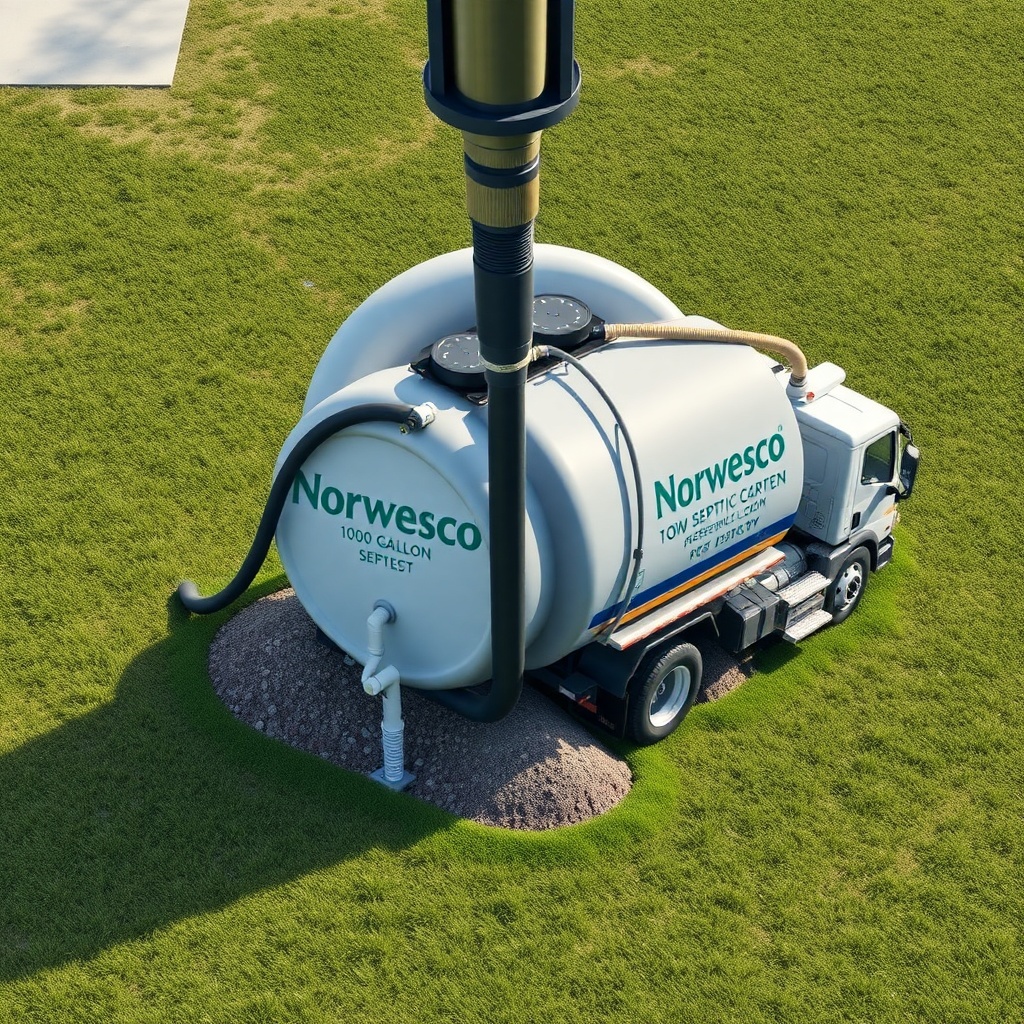
The Norwesco 1000 gallon septic tank holds waste from a typical 3- to 4-bedroom home, but even the best tank needs regular pumping. For a family of four, plan to pump every 3 to 5 years. If you have a garbage disposal or host frequent guests, shift to every 2 to 3 years. Neglecting this leads to sludge buildup that clogs the outlet baffle and pushes solids into the drainfield, which is expensive to repair. A professional pump-out runs about $250 to $450, depending on your area, and is often cheaper than a permit-required drainfield replacement.
Why Is My Norwesco 1000 Gallon Tank Backing Up Into the House?
When sewage comes back up through drains or toilets, it’s usually a blockage between the house and the tank. With the Norwesco 1000 gallon unit, the inlet baffle can become clogged by non-biodegradable items like wipes or feminine products. First, check the main cleanout pipe outside; if water overflows when you remove the cap, the line is blocked. Use a plumber’s snake to clear the pipe. If that doesn’t work, the inlet baffle may have collapsed, requiring a repair professional. Never use chemical drain cleaners—they kill the beneficial bacteria your tank needs to break down solids. Learn more about maintaining your system in our Norwesco 1000 Gallon Septic Tank Review: Is It Right for Your Home?
What Causes Foul Odors Around a Norwesco 1000 Gallon Septic Tank?
Septic tank odors normally mean a vent or seal issue. The Norwesco 1000 gallon tank has a tight lid with gaskets, but after years of sun exposure, the gaskets can dry and crack. Check the lid first: if the rubber seal is brittle, replace it with a universal septic tank lid gasket ($15–$30). Also inspect the plumbing vent on your roof—if it’s blocked by leaves or debris, gases will find another exit. If odor persists near the tank, the tank may be overfull due to a failing outlet baffle. That requires a professional inspection. A quick test: pour a bucket of water down any drain you rarely use to refill the trap and block sewer gas.
How to Tell If the Drainfield Is Failing After Your Norwesco 1000 Tank
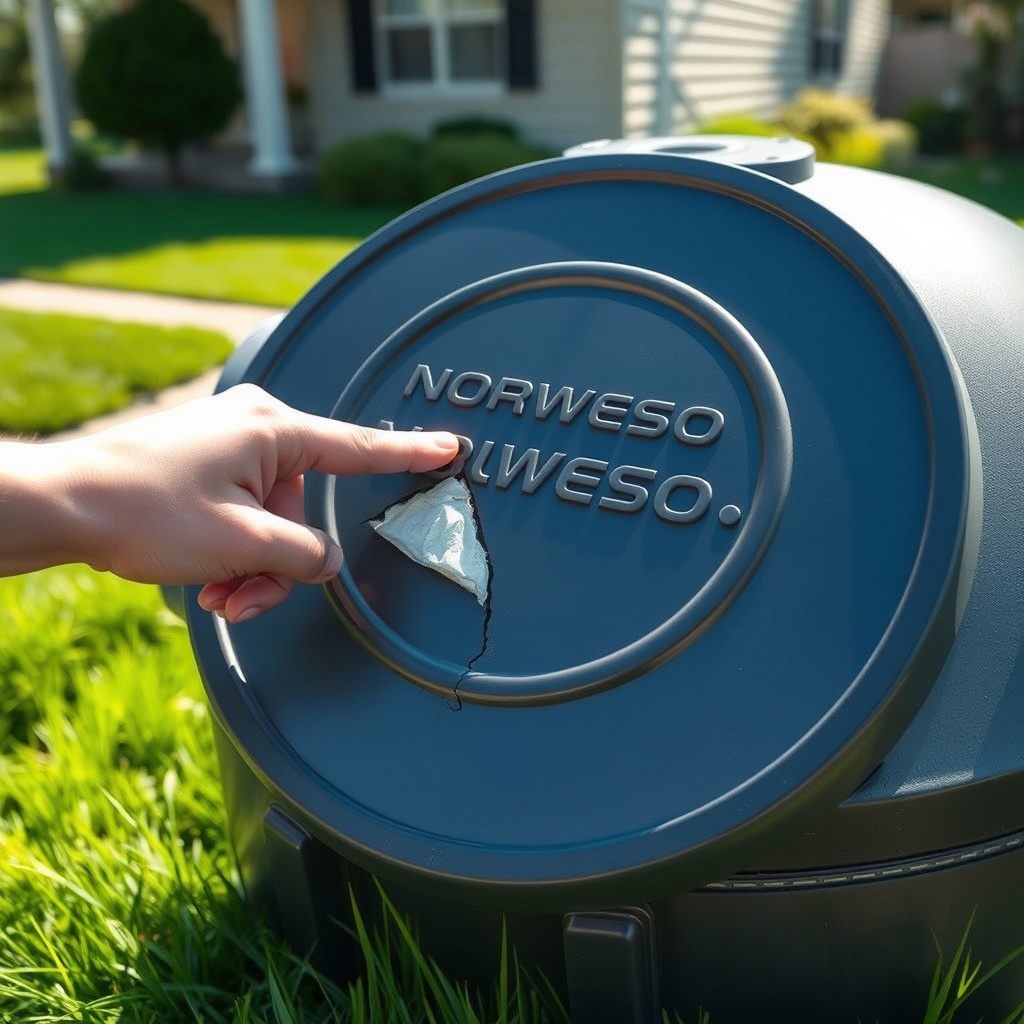
The Norwesco 1000 gallon tank is tough, but the drainfield is the system’s weak point. Signs of failure include spongy grass above the field, sewage odors outside, or slow-draining fixtures indoors. If you see any of these, stop using water immediately to prevent overloading the soil. Dig up an inspection port in the drainfield to check for standing water—a saturated field needs rest for at least 24–48 hours. If the problem continues, your drainfield may need partial replacement or aeration. Proper sizing from the start matters; read our guide on Proper Drainfield Sizing for Norwesco 1000 Gallon Tank to avoid future issues.
| Symptom | Severity Level | Action Needed |
|---|---|---|
| Gurgling drains but no backup | Usually not urgent | Check vents and add septic bacteria treatment |
| Slow drains in one fixture | Usually not urgent | Clear the branch line with a snake |
| Odor near tank but not house | Needs attention soon | Replace lid gasket, inspect outlet baffle |
| Sewage backup into lowest drain | Needs attention soon | Call a pro for main line snaking |
| Spongy ground above drainfield | Needs attention soon | Stop water use, inspect for saturation |
| Raw sewage pooling on yard | Emergency | Evacuate area, call emergency septic service immediately |
What Should You Do If the Norwesco 1000 Gallon Tank Freezes?
In cold climates, the Norwesco 1000 gallon tank can freeze if the insulation is poor or the water level is too low. Prevent freezing by keeping the lid insulated with a foam panel and a layer of straw or mulch (at least 8–12 inches). If you think the tank is frozen, never use a torch or open flame—that can crack the polyethylene shell. Instead, pour hot water down drains (not boiling, around 140°F) and run warm water intermittently. For severe freezes, call a service that uses a steam truck. After thawing, inspect the tank for cracks. Many installation permits require frost protection; check Permit Requirements for Norwesco 1000 Gallon Septic Tank Installation for code details in your area.
How to Fix a Clogged Outlet Baffle on a Norwesco 1000 Gallon Tank
The outlet baffle prevents solids from leaving the tank, but it can clog with grease or sludge. If you notice smells near the tank or slow drainage, the outlet baffle may be blocked. First, locate the outlet tee—the pipe near the top of the tank on the side away from the house. Using a garden hose, gently flush water into the tee to break up the blockage. If the clog is stubborn, a plumber can use a sewer jetter. Do not remove the baffle—your drainfield depends on it. After clearing, add a bacterial treatment to re-establish the tank’s biological balance. For a permanent fix, consider installing an effluent filter in the outlet baffle (cost: $50–$120) to catch solids before they reach the drainfield.
What Owners Say
Homeowners with the Norwesco 1000 gallon tank typically praise its durability and light weight compared to concrete tanks. One user from Minnesota said, “I had problems every winter with my old concrete tank cracking. The Norwesco unit hasn’t had a single frost issue since I installed it with proper insulation.” Another owner in Texas noted, “The tank itself is great, but I wish I had paid more attention to the drainfield sizing upfront. After three years, I had to add a second field line because the first one got overloaded. The Proper Drainfield Sizing for Norwesco 1000 Gallon Tank article would have saved me the extra cost.” A third user shared, “Pumping is easy—the big 24-inch access port makes it simple for the service truck. But don’t forget to check the gasket after a few summers in the sun. Replacing it cost me only $20 and stopped a persistent odor.”
Frequently Asked Questions
- How much does it cost to pump a Norwesco 1000 gallon tank?
Typical cost ranges from $250 to $450, depending on your location and the service provider. You save money by pumping every 3–5 years based on household size. - Can I install a Norwesco 1000 gallon tank myself?
Many areas require a licensed installer to pull permits. Check local codes and our Permit Requirements for Norwesco 1000 Gallon Septic Tank Installation for details. DIY installation may void warranty or fail inspection. - What size is a Norwesco 1000 gallon septic tank?
The tank measures roughly 96 inches long, 46 inches wide, and 67 inches high (including lid). Actual dimensions vary slightly by model year. Always confirm with the manufacturer for your specific order. - Does the Norwesco 1000 gallon tank come with a warranty?
Yes, Norwesco offers a limited 5-year warranty against manufacturing defects. The warranty does not cover improper installation, freezing damage, or chemical damage. Register your tank soon after purchase. - Why does my Norwesco tank need an effluent filter?
An effluent filter (around $50–$120) catches fine particles before they reach the drainfield. It extends the life of the drainfield by reducing solids loading. Many modern permits require one. Clean the filter every 6 months. - Can I use a garbage disposal with a Norwesco 1000 gallon tank?
It’s not recommended unless you pump more frequently (every 2–3 years). Garbage disposals add extra solids and grease that fill the tank faster and can clog the outlet baffle. Use a sink strainer to catch food scraps instead.