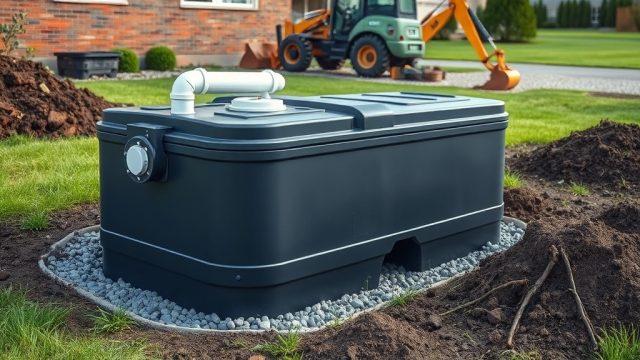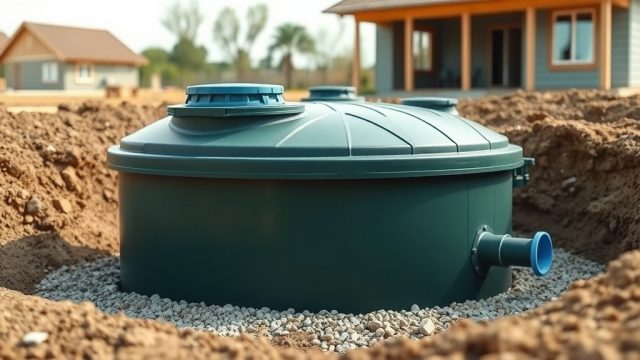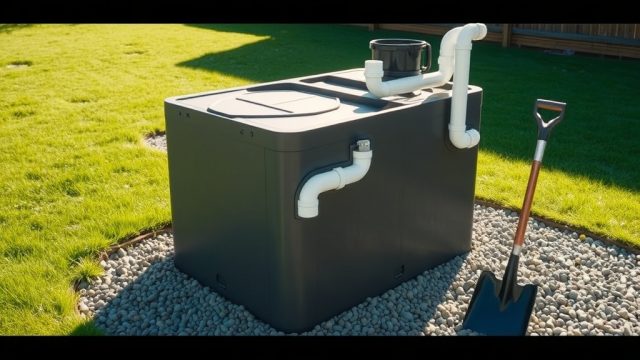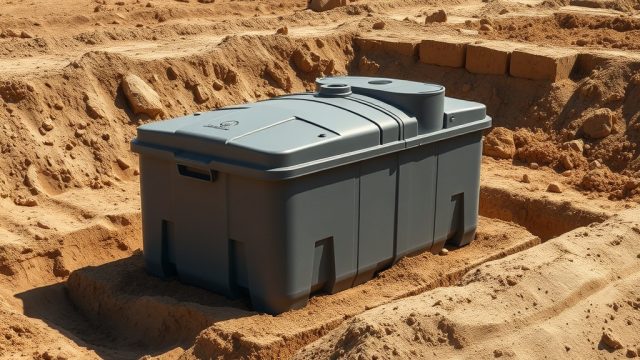
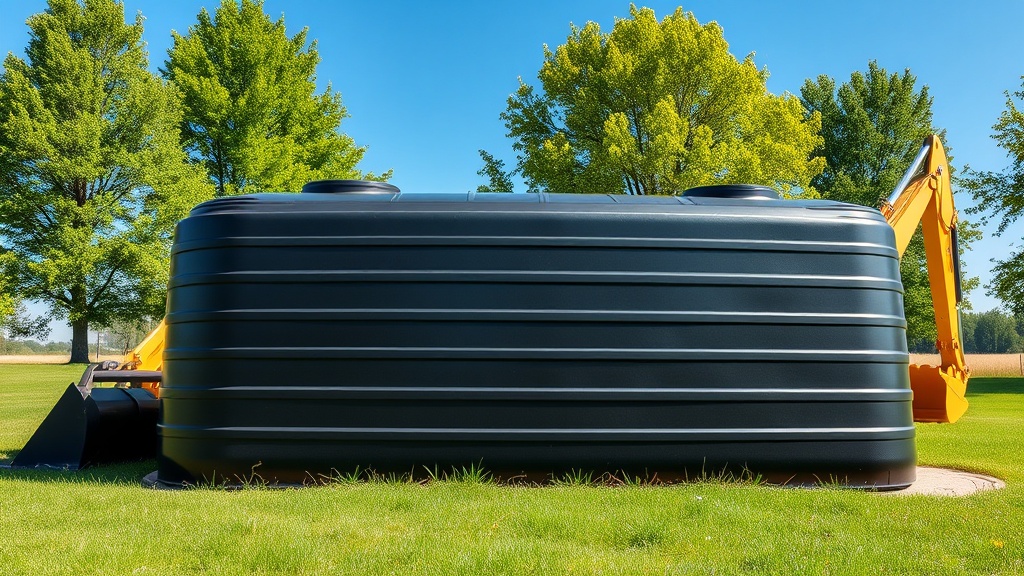
Why Choose a Polyethylene Septic Tank Over Concrete?
When planning a septic system, the debate between polyethylene and concrete tanks often comes down to durability and lifespan. Polyethylene septic tanks are lightweight, corrosion-resistant, and designed to last for decades without cracking. In contrast, concrete tanks offer traditional strength but are prone to rusting rebar, spalling, and groundwater infiltration over time. This article compares the durability and lifespan of polyethylene septic tanks with concrete, helping homeowners and installers make an informed decision for long-term performance.
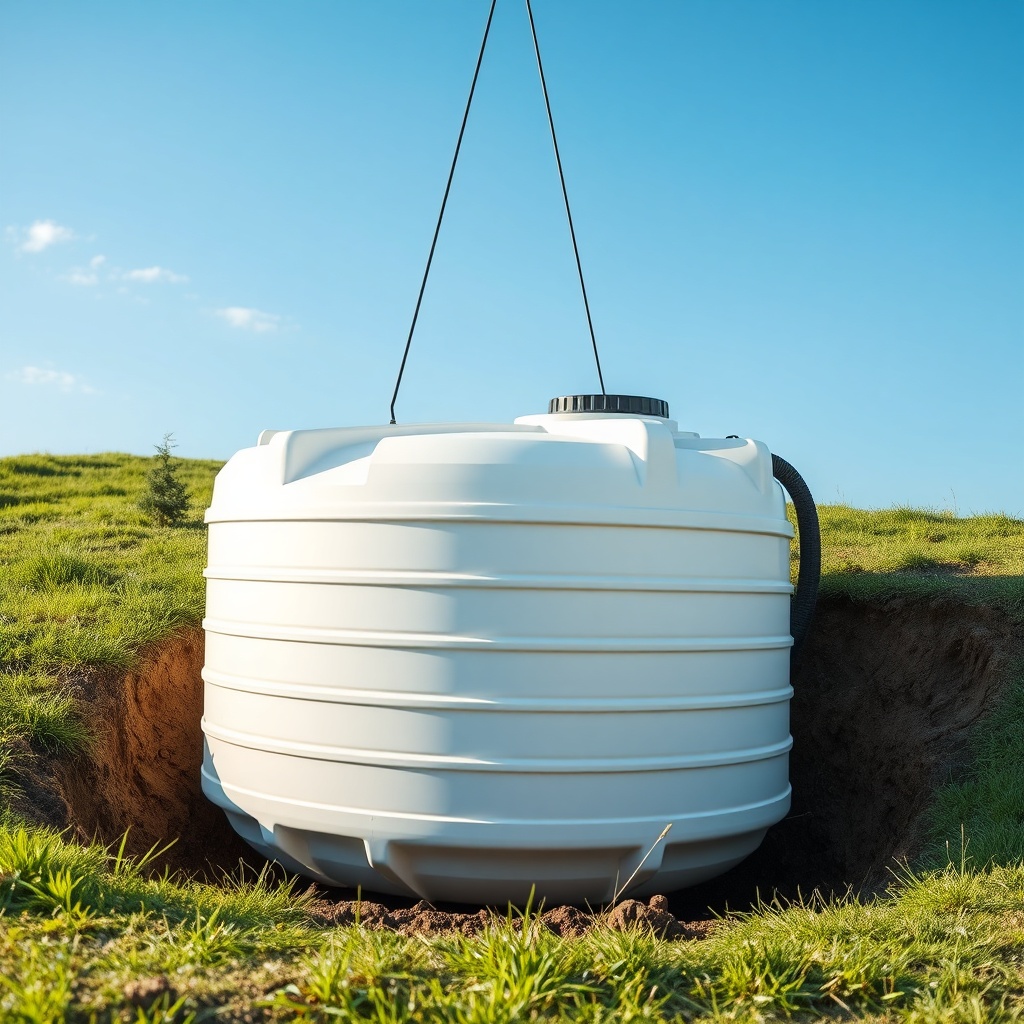
How Long Does a Polyethylene Septic Tank Last Compared to Concrete?
Polyethylene tanks typically have a lifespan of 30 to 50 years, depending on soil conditions, installation quality, and maintenance. Concrete tanks often last 20 to 40 years in ideal conditions, but their lifespan can drop to 10–20 years in acidic soils or areas with high water tables. The plastic material polyethylene is resistant to rust, rot, and chemical attack, which means it won’t degrade from household wastewater compounds. Concrete, on the other hand, can suffer from sulfate attack in certain soils, leading to premature failure.
For example, a polyethylene tank from a reputable manufacturer like Norwesco or Snyder Industries comes with a 20-year limited warranty, while concrete tanks often have only a 1- to 5-year warranty on structural defects. In real-world scenarios, many contractors report polyethylene tanks lasting well past 40 years with proper installation and annual pumping. The key factor is the tank’s ability to maintain structural integrity without cracks—polyethylene’s flexibility allows it to flex under soil loads, whereas concrete can crack if backfill isn’t compacted correctly.
Is a Polyethylene Septic Tank More Durable in Wet Soil?
Yes, polyethylene tanks are highly durable in wet or high-water-table conditions. Their lightweight nature (typically 150–400 pounds) reduces buoyancy issues, and they can be anchored with concrete collars or straps to prevent floating. Concrete tanks, weighing 2,000–8,000 pounds, are less buoyant but can crack or collapse when groundwater pressure exceeds their structural capacity. Polyethylene is also impervious to moisture and won’t spall or rust, making it ideal for coastal areas or regions with heavy rainfall.
Installers often prefer polyethylene for sites with poor drainage because the tank can be bedded on sand or gravel without fear of water damage. In contrast, concrete tanks require careful waterproof coatings and are vulnerable to groundwater infiltration through cracks, which can overload the drain field. For wet climates, a polyethylene septic tank installation with proper anchoring is a smart choice to avoid costly repairs later.
Which Tank Is More Resistant to Cracks and Leaks?
Polyethylene tanks are rotationally molded as one monolithic piece, meaning there are no seams to leak. They are highly resistant to impact and thermal expansion, so they don’t crack under normal soil movement or freeze-thaw cycles. Concrete tanks, especially older ones, often crack around the inlet/outlet pipes or along the walls due to settlement or shrinkage. Even with steel reinforcement, concrete can develop hairline cracks that allow sewage to seep into the surrounding soil, leading to costly environmental penalties.
To illustrate durability, consider a scenario with heavy tree roots. Polyethylene’s smooth surface resists root intrusion, while concrete’s porous surface can allow roots to penetrate and widen cracks. Leak testing shows polyethylene tanks have near-zero water absorption, while concrete can absorb up to 10% of its weight in water, weakening its structure over time. For leak prevention, polyethylene is the clear winner.
| Property | Polyethylene Septic Tank | Concrete Septic Tank |
|---|---|---|
| Weight | 150–400 lbs (68–181 kg) | 2,000–8,000 lbs (907–3,629 kg) |
| Lifespan (typical) | 30–50 years | 20–40 years |
| Leak Resistance | Seamless, near-zero permeability | Seams & cracks possible |
| Chemical Resistance | Excellent (resists acids, bases) | Moderate (prone to sulfate attack) |
| Corrosion/Rust | None | Rebar rusts over time |
| Installation Cost | $1,200–$3,500 USD | $1,500–$4,500 USD |
| Long-Term Cost | Lower (less maintenance) | Higher (repairs, replacement) |
| Warranty | 20 years (limited) | 1–5 years (structural) |
How Does Polyethylene Compare in Cold Climates?
Polyethylene tanks excel in cold climates because they are flexible and resist freeze-thaw damage. When moisture in the soil freezes, it expands, and a rigid concrete tank can crack under that pressure. Polyethylene tanks can flex slightly without damage, and they are often installed with proper insulation or deep burial to prevent freezing of the contents. Many northern states, like Minnesota and New York, see higher adoption of polyethylene tanks due to their resilience in frost-prone areas.
Concrete tanks, however, are more prone to frost heave if not bedded properly. The weight of concrete can prevent heaving, but once a crack forms, water enters, freezes, and worsens the damage. Polyethylene’s thermal conductivity is lower than concrete’s, meaning it retains heat better, reducing the risk of the wastewater freezing inside the tank. For installers, proper installation techniques—including insulating risers and adding a layer of foam board—can further extend polyethylene tank life in harsh winters.
What Owners Say About Polyethylene vs Concrete
Homeowners who have owned a polyethylene septic tank for over 10 years consistently praise its lack of maintenance and worry-free performance. One owner in Ohio reported, “After 14 years, my poly tank looks brand new. No cracks, no smells, no problems. My neighbor’s concrete tank needed replacing at year 12.” Another in Florida shared, “We had severe groundwater issues. The poly tank floated once, but after proper anchoring, it hasn’t moved in 8 years. Concrete tanks in my area all have cracks and need pumping more often.”
Conversely, concrete tank owners often cite the need for frequent inspections and occasional patching. A New York owner said, “My concrete tank has visible cracks after just 5 years. I’m looking at a poly replacement next year.” Many owners recommend polyethylene for new installations, especially in areas with acidic or wet soil. For those considering cost, check our cost comparison between polyethylene and concrete septic tanks to see the long-term savings.
Frequently Asked Questions
Can a polyethylene septic tank be crushed by heavy traffic?
Yes, if not properly protected. Polyethylene tanks are not designed for vehicle loads unless reinforced with a concrete slab or designed as traffic-rated. Always check manufacturer specs and avoid driving over the tank.
Is polyethylene septic tank safe for the environment?
Yes. Polyethylene is a non-toxic plastic that doesn’t leach chemicals in normal use. It’s 100% recyclable at end of life. Proper installation prevents leaks, protecting groundwater.
Do polyethylene tanks require special risers or adapters?
Most come with reinforced outlets. Standard risers (Polyethylene or concrete) can be used. Always use manufacturer-approved adapters for inlet/outlet connections to ensure a leak-proof seal.
How much does a polyethylene septic tank cost installed in the UK?
In the UK, a typical 2,500–4,000-litre polyethylene tank costs £800–£2,000, plus £300–£800 for installation. Prices vary by location and ground conditions. For a detailed breakdown, read our cost comparison article.
Can I install a polyethylene septic tank myself?
It’s not recommended. Incorrect bedding, anchoring, or backfilling can void the warranty and cause failure. Hire a licensed installer familiar with polyethylene systems.
Does polyethylene degrade in sunlight?
When buried, it’s protected from UV. Above-ground risers are UV-stabilised. Direct long-term UV exposure can degrade polyethylene, but underground tanks are not affected.