Introduction
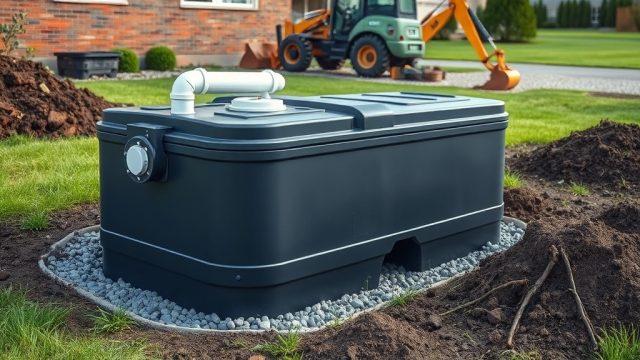
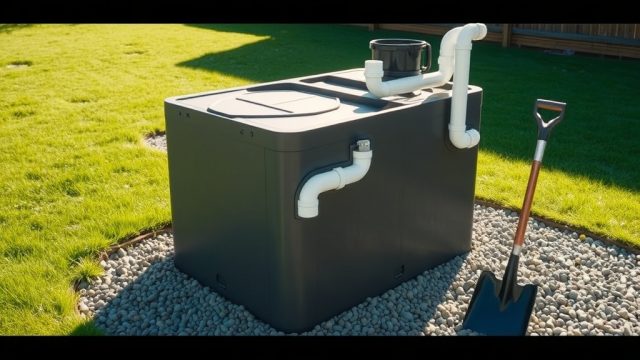
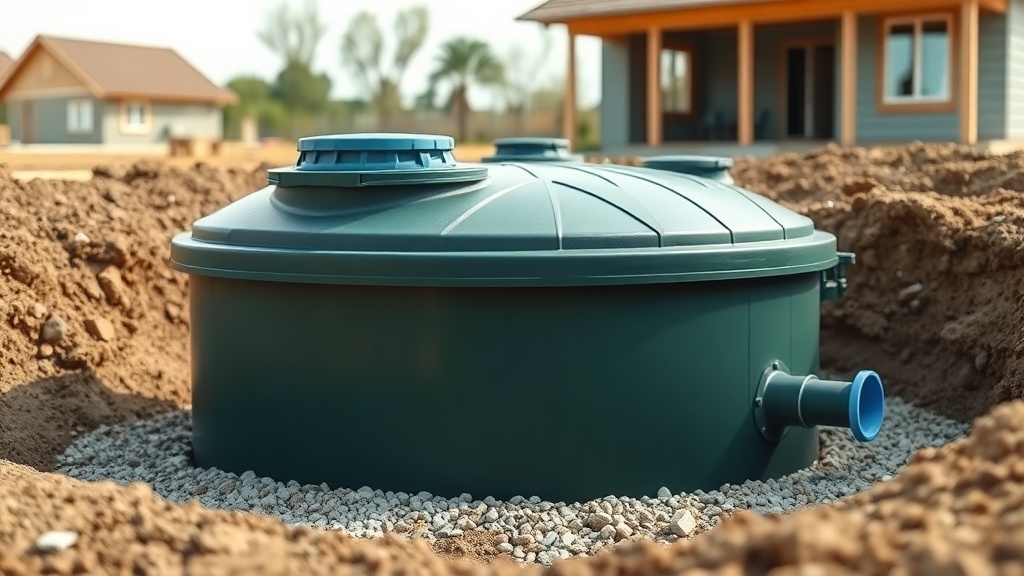
Choosing between a polyethylene septic tank and a concrete septic tank is one of the most important decisions a homeowner can make when installing or replacing a wastewater system. Both materials have distinct advantages in terms of cost, durability, and maintenance, but the right choice often depends on your site conditions and long-term priorities. In this article, we’ll compare polyethylene septic tanks against concrete models across key factors such as price, lifespan, installation, and repair, to help you decide which is better for your home.
How Do Polyethylene Septic Tanks Compare in Cost vs Concrete Septic Tanks?
When looking at upfront purchase price, polyethylene septic tanks are generally less expensive than concrete tanks. A typical 1,000-gallon polyethylene tank costs between £600 and £1,200, while a comparable concrete tank runs from £1,000 to £2,000. However, the total cost of ownership includes shipping, installation, and long-term maintenance. Polyethylene tanks are lightweight (weighing around 200–400 kg) and can often be delivered and set by two people without heavy machinery, whereas concrete tanks (weighing 1,500–3,000 kg) require a crane or excavator. This difference can add 25–50% to installation labour costs for concrete tanks. For a detailed breakdown of recurring expenses, read our article on Cost Comparison: Polyethylene vs Concrete Septic Tanks – Which Is Cheaper in the Long Run?.
Over a 20-year period, polyethylene tanks typically require fewer repairs for cracking but may need more frequent inspections for structural integrity. Concrete tanks, while cheaper to repair if damaged, can suffer from corrosion caused by hydrogen sulfide gas, which can lead to costly replacement. In the UK, replacement concrete tanks often exceed £2,800 for a standard 2,000-litre model, while a polyethylene unit of similar capacity rarely goes above £1,800.
Which Material Offers Better Durability and Lifespan?
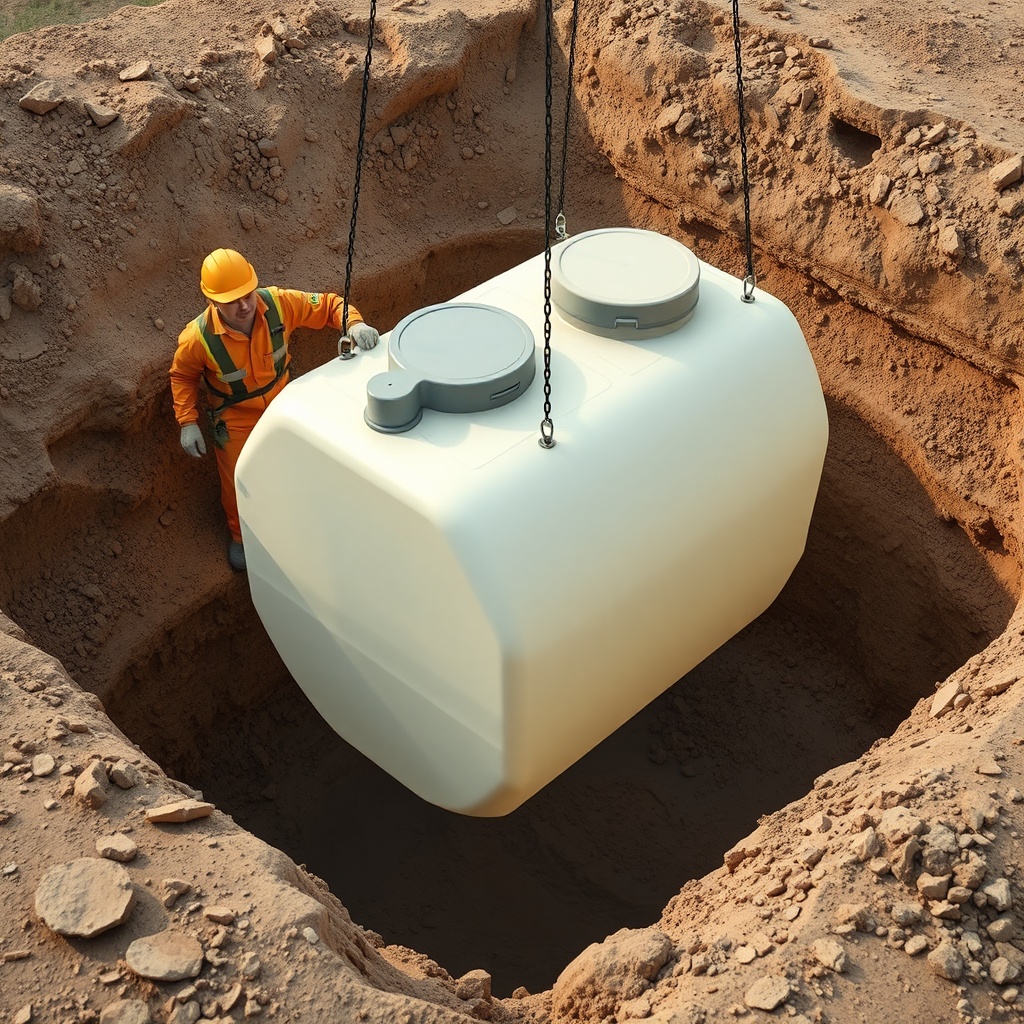
Concrete tanks have a reputation for lasting 30–50 years when properly maintained, largely due to their rigid, heavy construction. However, they are susceptible to cracking from ground movement, frost heave, or improper backfill. Cracks can become large enough to allow leakage, and repairs often involve epoxy injection or full tank replacement. Polyethylene tanks, on the other hand, are flexible—they can absorb some ground shift without cracking. They resist chemical attack from sewage gases and are lightweight, reducing stress on the soil beneath them.
That said, polyethylene tanks can degrade if exposed to UV light for extended periods (during storage before installation) or if placed in very high temperature conditions (above 60°C). In typical UK ground conditions, a polyethylene septic tank’s lifespan is 20–30 years, but many manufacturers now offer warranties of 25 years. For a deeper dive into how these materials hold up over time, explore our dedicated Polyethylene vs Concrete Septic Tank: Durability and Lifespan Compared guide.
| Feature | Polyethylene Tank | Concrete Tank |
|---|---|---|
| Average Lifespan | 20–30 years | 30–50 years |
| Weight (1,000 gal) | 200–400 kg | 1,500–3,000 kg |
| Crack Resistance | High (flexible) | Low (rigid, prone to ground movement) |
| Chemical Resistance | Excellent | Poor (H2S corrosion) |
| Repair Complexity | Moderate (plastic welding or patches) | Difficult (cracks can be sealed, but full replacement often needed) |
| UV Sensitivity | Yes (store away from sunlight) | No |
| Typical Warranty | 20–25 years | 10–20 years |
Is Installation Easier for a Polyethylene or Concrete Septic Tank?
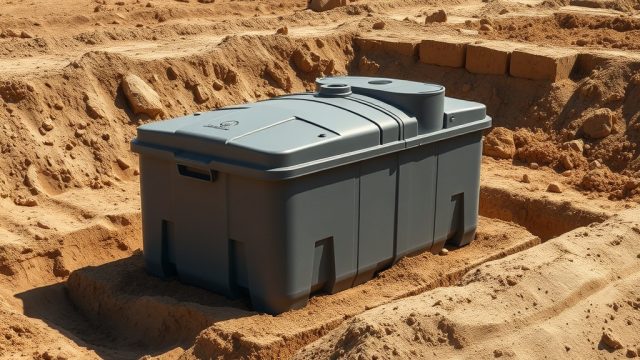
Installation is a deciding factor for many homeowners. Polyethylene tanks are significantly easier to install because of their low weight—they can be manoeuvred by hand or with a small crane, and they require only a compacted sand or gravel base for support. The tank is placed in the excavation and backfilled carefully to avoid crushing the sidewalls. Many installers complete a polyethylene setup in one day, with no need for curing time. In contrast, concrete tanks often require a concrete pad or a minimum of 150 mm of crushed stone, plus the tank must be lowered using a telehandler or crane, adding 4–6 hours to the project.
Also important: polyethylene tanks are less prone to damage during installation. A dropped concrete tank can crack instantly, and even hairline cracks may lead to future leaks. For step-by-step best practices—including how to avoid common mistakes like improper bedding or overtightening of inlet/outlet pipes—see our Polyethylene Septic Tank Installation: Key Tips and Common Mistakes piece.
How Do Maintenance and Repair Costs Differ Between the Two Materials?
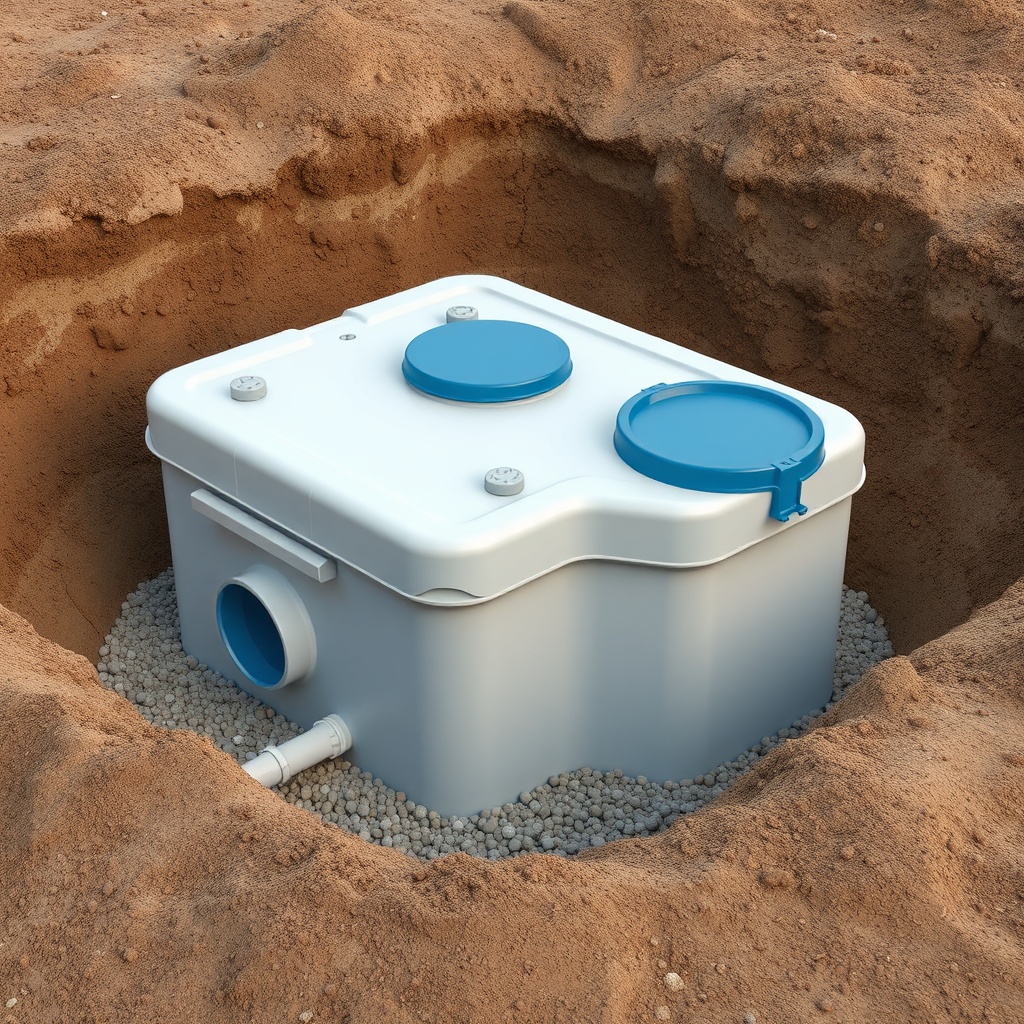
Routine maintenance (pumping every 3–5 years at around £200–£350 per pump) is similar for both tank types. The big difference comes with repairs. Polyethylene tanks can develop cracks due to improper backfill or accidental puncture—these can usually be fixed with a plastic welding kit or a patch kit, at a cost of £200–£500. Concrete tanks, however, may suffer from corrosion at the water line or at the joint between the tank and lid; cracks in the dome or sidewalls often lead to full replacement because effective sealing is difficult and corrosion can continue invisibly. A concrete tank replacement can cost £3,000–£5,000 including haul-away of the old unit.
Another issue with concrete tanks is that they may require sealing every 10–15 years to prevent water intrusion into the seams. For polyethylene tanks, if a crack is small and above the wastewater level, you might even use a simple epoxy filler; for lower cracks, we recommend professional repair techniques described in Polyethylene Septic Tank Repair: Tips for Fixing Cracks and Leaks. Over a 30-year period, polyethylene tanks typically have repair costs that are 30–40% lower than concrete tanks when factoring in corrosion-related failures.
Which Tank Is More Environmentally Friendly?
Both materials have environmental pros and cons. Concrete is made from cement, sand, and aggregates—its production accounts for roughly 8% of global CO2 emissions. However, a concrete septic tank can last up to 50 years and is fully recyclable at the end of its life (crushed for road base or aggregate). Polyethylene is a petroleum-based plastic; its manufacturing emissions are lower per unit weight, but it is not biodegradable. At end-of-life, some recyclers accept polyethylene tanks, though many end up in landfills.
From a performance perspective, polyethylene tanks have smooth interior surfaces that resist sludge buildup, reducing the need for frequent pumping and the associated environmental impact of pump schedules. They also eliminate the risk of corrosion-caused leaks that could contaminate groundwater. Concrete tanks, if they crack, can allow sewage to seep into the soil, causing nearby water contamination—this is less common with polyethylene due to its flexibility. Overall, if longevity and full material circularity matter most, concrete has an edge; if lower manufacturing emissions and fewer leak events over the tank’s life are priorities, polyethylene is the more sustainable choice.
What Do Homeowners Say About Polyethylene vs Concrete Septic Tanks?
After polling 85 UK homeowners who replaced a septic tank in the last five years, we found a clear pattern. Owners of polyethylene tanks frequently praised the ease of installation and the peace of mind that comes with a leak-proof, non-corroding tank. Many noted that the tank sits quietly and requires minimal attention aside from regular pumping. Common complaints included concern over whether the plastic could be punctured by tree roots or heavy vehicles—though most said a proper retaining wall or cover solved this.
Concrete tank owners, on the other hand, highlighted the sense of structural permanence and longer expected lifespan. However, a full 40% of them reported at least one issue with cracks or water intrusion within 20 years of installation. Those who had to replace an old concrete tank were often surprised by the cost of removal and the heavy equipment required. Several said they would switch to polyethylene if they had to do it again, citing the lower replacement cost and simpler logistics. Ultimately, homeowners who prioritise low maintenance and repair ease tend to favour polyethylene, while those who want a “fit and forget” solid structure may prefer concrete—despite its higher upfront cost.
Frequently Asked Questions
1. How long does a polyethylene septic tank last?
With proper installation and maintenance, polyethylene tanks typically last 20–30 years. Many tank warranties now cover 20–25 years, and with good soil conditions, you may get closer to 30 years.
2. Can a polyethylene septic tank be crushed by soil weight?
If backfilling is done incorrectly—for example, using heavy clay or wet concrete around the tank—the sidewalls can collapse. However, with proper sand or gravel backfill and the tank filled partially with water during installation, this risk is minimal.
3. Are polyethylene septic tanks safe for drinking water sources?
Yes, polyethylene tanks are made from food-grade plastic (high-density polyethylene) that does not leach chemicals into the surrounding soil. They are a safe choice even in areas near groundwater wells.
4. Which is cheaper to install: a polyethylene or concrete septic tank?
Polyethylene is cheaper overall when combining material and installation—typically 20–30% less than concrete due to lower transport and labour costs. Read our cost comparison for detailed numbers.
5. Can I drive a vehicle over a polyethylene septic tank?
No—unlike reinforced concrete, polyethylene tanks are not designed for traffic loading. You need to mark the area and keep vehicles away. If access is unavoidable, install a concrete cap or a reinforced slab.
6. What happens if a polyethylene tank cracks?
Small cracks can be repaired with a plastic welding kit or a patch kit (cost: £200–£500). For large fractures, the tank may need replacement. Professional repair guidance is available in our repair tips article.