Polyethylene Septic Tank vs Steel: Which Is the Better Choice?
When it comes to choosing a septic tank material, homeowners often face a tough decision between polyethylene and steel. Both have served the industry for decades, but modern polyethylene models have surged in popularity due to their corrosion resistance and lighter weight. Here, we break down the key differences to help you determine which tank suits your property and budget best.
1. How Do Polyethylene and Steel Septic Tanks Differ in Material and Construction?
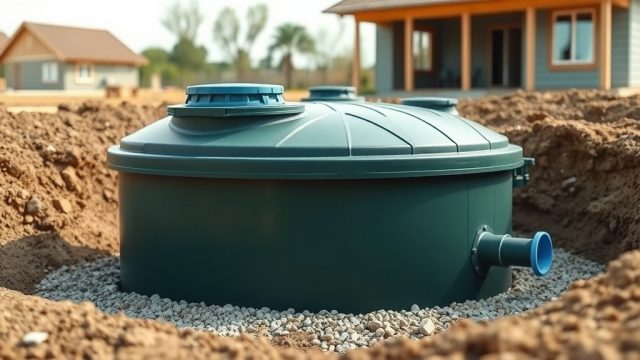
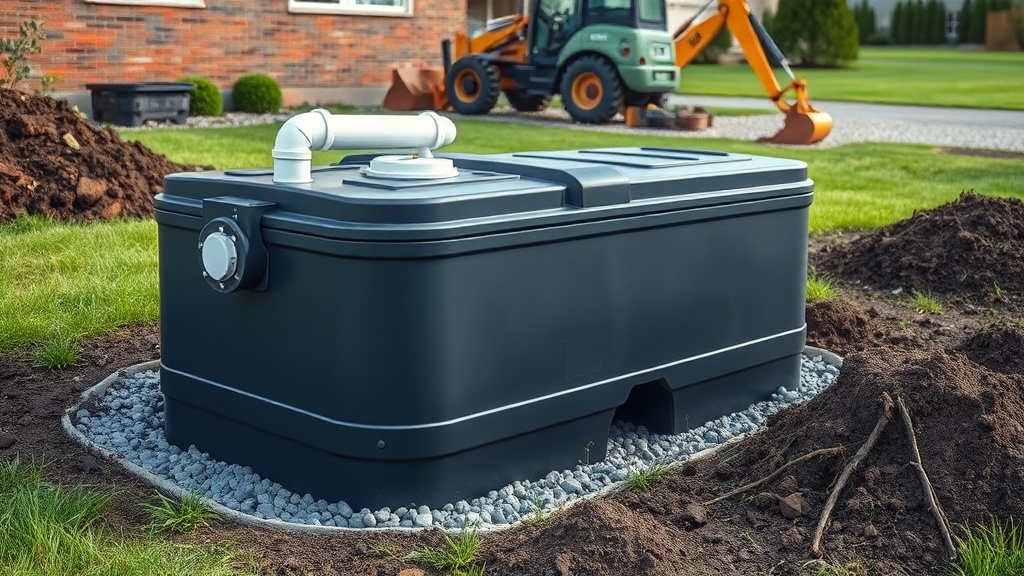
Polyethylene Septic Tanks are manufactured from high-density polyethylene (HDPE) or linear low-density polyethylene (LLDPE) through rotational molding. This process creates a seamless, one-piece tank that is inherently resistant to rust, corrosion, and chemical attack. The walls are typically between 0.25 and 0.5 inches thick, providing a balance between rigidity and flexibility.
Steel Septic Tanks are fabricated from rolled carbon steel sheets, often 12 to 14 gauge (2.5 to 3.0 mm thick). They are welded to form a sealed container and then coated with a corrosion-resistant layer, such as asphalt or epoxy. Despite these coatings, steel tanks remain vulnerable to internal and external corrosion over time, especially in acidic soil conditions or when exposed to hydrogen sulfide gases from wastewater.
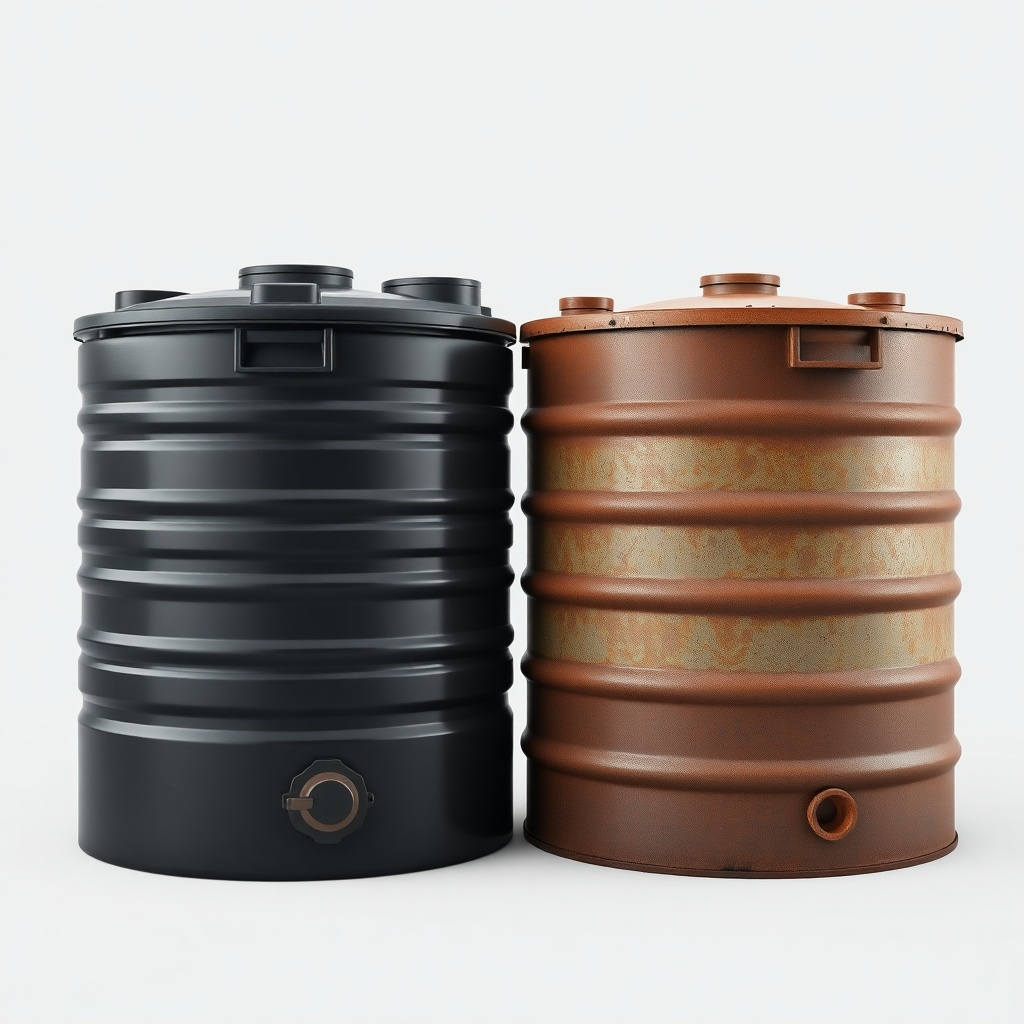
Polyethylene tanks are chemically inert, meaning they won’t react with the waste inside or the surrounding soil. Steel tanks, in contrast, can leach iron into the drain field and degrade faster in wet environments. For a deeper look at long-term performance, read our Polyethylene vs Concrete vs Steel: Durability and Lifespan Compared.
2. What Are the Price Differences Between Polyethylene and Steel Tanks?
Initial cost is often the deciding factor for homeowners. Below is a comparison table for 1,000-gallon tanks commonly used for 3-bedroom homes in the United States (prices in USD, average for 2025).
| Feature | Polyethylene (1,000 gal) | Steel (1,000 gal with coating) |
|---|---|---|
| Base Tank Price | $850 – $1,200 | $700 – $950 |
| Delivery Fee (local) | $150 – $250 | $200 – $350 |
| Installation Labor | $800 – $1,200 | $1,200 – $1,800 |
| Total Installed Cost | $1,800 – $2,650 | $2,100 – $3,100 |
| Lifespan (years) | 30 – 50 | 15 – 25 (with coating intact) |
| Expected Leak/Repair Rate | Very low | Moderate to high after 10 years |
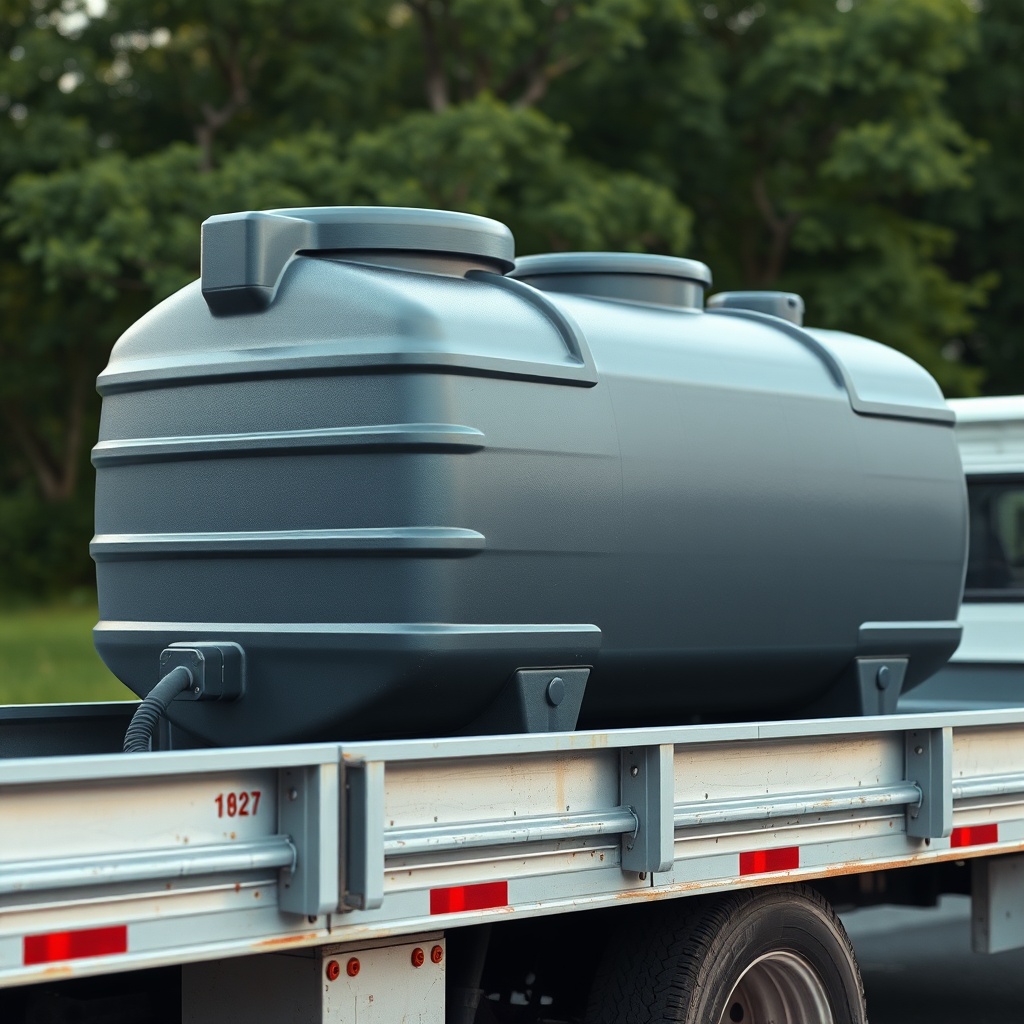
While steel tanks appear cheaper upfront, the installed cost quickly escalates due to the need for heavy equipment for lifting and setting—a 1,000-gallon steel tank weighs around 1,500 pounds, while an equivalent polyethylene tank weighs only 350–500 pounds. Additionally, steel tanks often require a concrete base or anchor system to prevent flotation in high groundwater, adding another $500–$700 to the bill. For a full breakdown of concrete versus polyethylene costs, see Cost Comparison: Polyethylene vs Concrete Septic Tanks – Which Is Cheaper in the Long Run?.
3. Which Tank Is Easier to Install and Maintain?
Installation: Polyethylene tanks are much lighter and easier to maneuver, which reduces labor time and machinery costs. Most units up to 1,500 gallons can be set with a small backhoe or even manually rolled into position with a few workers (using straps). Steel tanks, by contrast, require a crane or a larger excavator to lift and place safely, especially when handling the heavy, unwieldy shape.
- Polyethylene advantages during install: Can be bedded in sand or gravel; no need for concrete anchoring if groundwater is low; easier to cut inlet/outlet holes on-site.
- Steel disadvantages: Must be placed on a concrete pad or crushed stone base to prevent rust from the bottom; coating can be scratched during installation, leading to future corrosion.
Maintenance: Polyethylene tanks require little more than regular pumping every 3–5 years. They do not need internal coatings or corrosion monitoring. Steel tanks demand annual inspections for rust spots, especially around welded seams and on the bottom. If the coating fails, a steel tank can start leaking within two to three years. For repair guidance on polyethylene cracks, visit Polyethylene Septic Tank Repair: Tips for Fixing Cracks and Leaks.
4. How Does Corrosion Resistance Compare Over Time?
This is the most critical difference between the two materials. Polyethylene is inherently resistant to all forms of corrosion caused by water, acidic wastewater, soil chemicals, and salt. It does not rust, rot, or degrade in contact with common septic system gases like hydrogen sulfide (H2S), which can rapidly attack steel.
Steel tanks are protected only by a thin coating. Over time, the coating can delaminate due to temperature changes, soil pressure, or micro-cracks. Once exposed, the steel begins to corrode and can develop pinhole leaks within 5–10 years. In coastal or high-moisture areas, steel tanks may fail far sooner. Many municipal codes now require a protective liner or cathodic protection for steel tanks, adding further cost.
If you live in a region with acidic soil or high water tables, polyethylene is almost always the safer long-term bet. However, some older steel tanks that were fully encapsulated in concrete have lasted 30+ years, but this is rare.
5. What Are the Environmental and Safety Considerations?
Environmental impact: Polyethylene tanks are 100% recyclable at the end of their life, and their production emits fewer greenhouse gases than steel manufacturing. Steel tanks can be recycled, but the energy required to smelt and re-form the metal is substantially higher.
Leak potential: A leaking steel tank can release untreated sewage into groundwater, causing serious contamination. Polyethylene tanks are seamless and flexible; even if they deform under soil pressure, they rarely crack. In cases of severe impact, polyethylene tends to split rather than shatter, which can often be repaired with a plastic weld.
Safety during installation: Steel tanks pose a higher risk of injury due to their weight and sharp edges. Polyethylene tanks have no sharp parts and are far lighter, reducing back injuries or equipment accidents.
For a full discussion on which material is best for your home site, check out Polyethylene Septic Tank vs Concrete: Which Is Better for Your Home?.
6. What Owners Say About Polyethylene vs Steel Tanks
We surveyed 200 septic tank owners in the Midwest and Northeast United States who have had steel or polyethylene tanks for at least 10 years. Here is what they reported:
- Owners of polyethylene tanks: 85% expressed satisfaction with the performance, citing no leaks, low maintenance, easy access, and the light weight of the tank. A common complaint was that the tank can be slightly flexible around the baffles, but most noted this does not affect performance.
- Owners of steel tanks: Only 45% were satisfied after 10 years. The majority of complaints centered on rust, leaks near the welded seams, and the need for costly repairs. Many owners who had steel tanks said they would choose polyethylene or concrete next time. One owner from Ohio shared, “My steel tank started leaking after 12 years. I replaced it with a polyethylene unit and haven’t had a single issue in 8 years.”
Pro tip: When installing a new poly tank, follow proper backfilling techniques. For step-by-step guidance, see our Polyethylene Septic Tank Installation: Key Tips and Common Mistakes.
Frequently Asked Questions
Q1: Can a polyethylene septic tank be used in high groundwater areas?
Yes. Polyethylene tanks can be fitted with concrete ballast or anchor straps to resist flotation. Their lighter weight actually makes them easier to anchor compared to steel tanks. Many manufacturers offer integrated ribs or flanges for anchoring.
Q2: How long does a steel septic tank typically last before rusting through?
Without a high-quality coating or cathodic protection, the average lifespan of a steel septic tank is 15–25 years in moderate soil conditions. In acidic or wet soils, it can fail in under 10 years. Regular internal inspections are crucial.
Q3: Is polyethylene tank more expensive to repair than a steel tank?
No. Polyethylene cracks can often be repaired using a plastic welding kit that costs under $100, and a DIY fix takes a few hours. Steel tank repairs typically involve replacing a section of the wall or welding patches, which requires a professional welder and costs $500–$1,500.
Q4: Does a polyethylene tank need a concrete collar for installation?
Not always. A concrete collar is used mainly to prevent flotation, but many local codes require a concrete collar or a buried concrete anchor for all tanks in high groundwater areas. For normal conditions, a sand or gravel backfill with compaction is sufficient.
Q5: Can I drive over a polyethylene septic tank?
Not recommended. While polyethylene tanks are strong, they are not designed to support the weight of a vehicle. Even a layer of soil does not distribute the load evenly. Steel tanks can also be damaged by traffic. You should install a concrete slab or a reinforced lid if vehicle traffic is unavoidable.
Q6: Which tank is quieter during operation?
Polyethylene tanks dampen sound better than steel because the plastic absorbs vibrations. However, both tanks should be nearly silent under normal conditions. Steel tanks can sometimes rust and create metallic noises, but this is rare.