How Can You Identify a Crack or Leak in a Polyethylene Septic Tank?
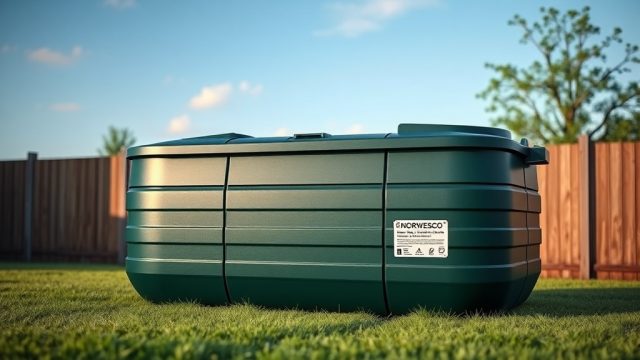
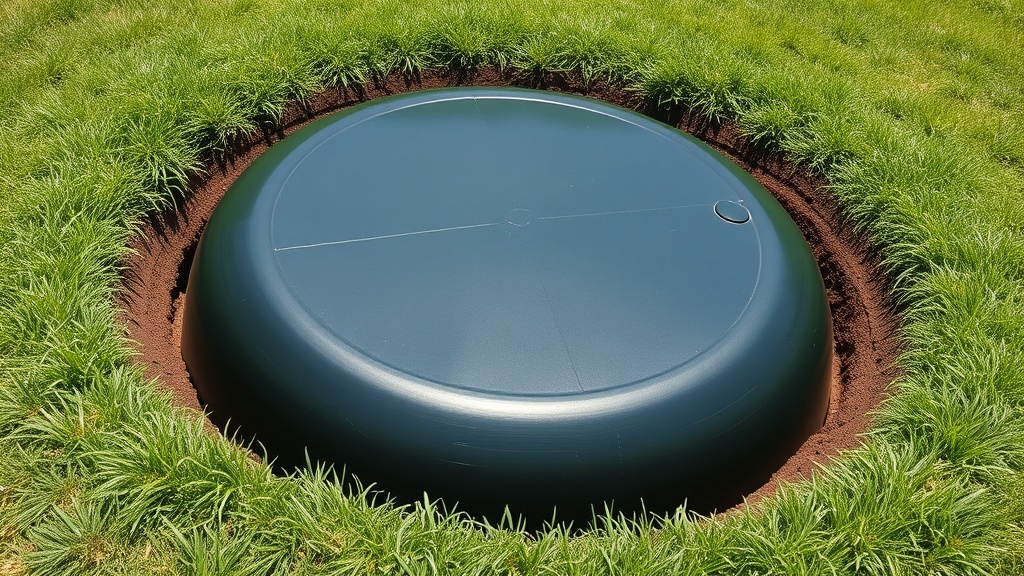
Detecting damage early is the most important step in polyethylene septic tank repair. Unlike concrete tanks, polyethylene tanks are flexible and can sometimes hide small cracks that eventually lead to leaks. Homeowners often first notice soggy ground near the tank, a strong sewage smell, or lush grass growing over the drain field. A more reliable method is a visual inspection after pumping the tank—look for hairline fractures, stress whitening (a milky appearance), or water seeping from the tank wall. You can also conduct a simple leak test: fill the tank to normal operating level, let it sit for 24 hours, and check for a drop in water level without usage. If you suspect a crack, mark the area with chalk before any repair work. For persistent issues, consider scheduling a professional polyethylene tank inspection to rule out structural failures.
What Tools and Materials Are Needed for Repairing Polyethylene Septic Tank Cracks?
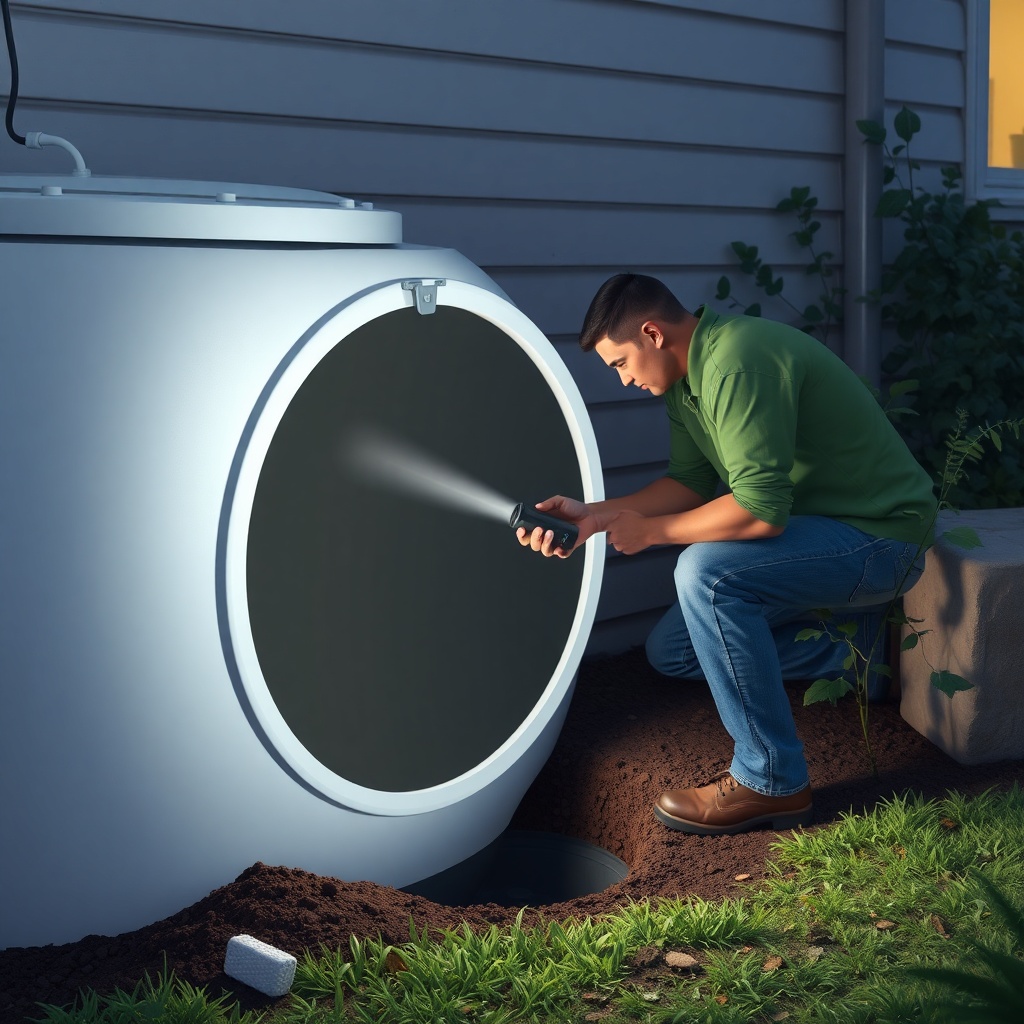
Repairing a polyethylene septic tank requires specialty tools and adhesives designed for high-density polyethylene (HDPE) or polypropylene. Do not use general-purpose epoxy or silicone—polyethylene is non-porous and resists bonding. Essential items include:
- Polyethylene welding kit (plastic welder with HDPE filler rods)
- Two-part epoxy specifically rated for polyethylene (e.g., Marine-Tex or PlasticWeld)
- Sandpaper (80-grit and 120-grit) to roughen the surface
- Isopropyl alcohol or acetone for cleaning
- Small scraper or putty knife
- Clamps or weights to hold repair material in place
- Patches of polyethylene sheet (at least 3 mm thick) for larger holes
- Personal protective equipment (gloves, safety glasses, respirator)
The average cost for basic repair materials runs between £40 and £120 in the UK, or $50 to $150 in the US, depending on the crack size. A professional plastic welding kit adds another £100–£250. Always check local regulations before attempting repairs—some areas require a certified installer for septic work.
How Do You Perform a Temporary Patch on a Polyethylene Septic Tank Leak?
If you need a quick fix while waiting for a professional, a temporary patch can slow or stop a leak. First, drain the tank below the crack line or pump it entirely—never work on a full tank due to biohazard and collapse risks. Clean the area around the crack with a degreaser, then roughen it with 80-grit sandpaper to create a mechanical bond. Wipe clean with isopropyl alcohol. Apply an epoxy putty rated for wet surfaces, pressing it firmly into the crack. Use a polyethylene patch cut to size (4–6 inches larger than the crack), and clamp it for 24 hours. This patch can last 1–3 months, but it is not a permanent solution. For safe handling, refer to our durability guidelines for polyethylene tanks to understand when replacement is necessary.
What Is the Correct Method for Polyethylene Welding on Septic Tanks?
Permanent repair of polyethylene septic tanks requires hot air welding, which fuses the parent material with HDPE filler rods. This method restores the original strength if done properly. Follow these steps:
- Wear a respirator and work in a ventilated area—melting plastic releases fumes.
- Use a plastic welder set to 250°C–300°C (482°F–572°F).
- Preheat the crack area with the welder until the surface becomes tacky.
- Insert the HDPE filler rod into the welding gun and feed it into the crack, moving in a continuous line.
- Layer the weld for deep cracks, allowing each layer to cool slightly.
- Smooth the weld with a Teflon roller to eliminate air pockets.
- Allow at least 30 minutes of cooling before refilling the tank.
Welding is suitable for cracks up to 6 mm wide. Larger cracks or holes may need a polyethylene patch welded over the area. Professional welding services in the UK typically charge £100–£300 per repair, while US rates range from $150 to $500. A tank that has been welded multiple times may have compromised structural integrity—consider a cost comparison between polyethylene and concrete tanks before investing in extensive repairs.
When Should You Replace a Polyethylene Septic Tank Instead of Repairing It?
Not every crack is repairable. Replacement is recommended when:
- The tank has multiple cracks longer than 12 inches each
- The crack is located on a structural rib or seam
- The tank has already been repaired 3 or more times
- There is widespread stress whitening or material embrittlement
- The leak is near baffles or inlet/outlet pipes, risking system failure
- The tank is older than 20 years—polyethylene tanks typically last 25–30 years
Replacing a polyethylene septic tank costs £800–£2,500 in the UK or $1,200–$4,000 in the US, depending on size and local labor rates. In contrast, a professional repair averages £200–£600. Use the severity table below to decide:
| Crack Dimension | Location | Action | Estimated Cost (UK £) | Estimated Cost (US $) |
|---|---|---|---|---|
| Less than 3 mm wide, single | Side wall, non-structural | Epoxy patch (temporary or permanent) | £40–£100 | $50–$130 |
| 3–6 mm wide, single | Side wall, non-structural | Plastic welding | £100–£250 | $150–$350 |
| Over 6 mm wide or multiple | Structural rib or seam | Consider replacement | £800–£2,500 | $1,200–$4,000 |
| Any crack near baffles | Around inlet/outlet | Professional welding or replacement | £150–£400 | $200–$600 |
What Are the Risks of Ignoring a Small Leak in a Polyethylene Septic Tank?
A seemingly minor leak can escalate quickly. Leaks allow untreated effluent to seep into surrounding soil, contaminating groundwater and potentially exposing your family to harmful pathogens. In the UK, the Environment Agency can fine homeowners up to £5,000 for non-compliant septic systems; in the US, fines vary by state but can exceed $10,000. Furthermore, a leak reduces the tank’s ability to separate solids, which clogs the drain field prematurely—drain field replacement can cost £3,000–£8,000. Regular inspections every 1–2 years are recommended. For installation best practices to avoid future leaks, read our installation tips for polyethylene tanks.
What Owners Say About Polyethylene Septic Tank Repairs
Many homeowners with polyethylene tanks report that early detection of cracks made repair straightforward. “I noticed a wet spot near the tank and called a pro—he welded a 4 mm crack for £150. No issues since,” shares one UK owner. Another owner in Florida notes, “My tank developed stress cracks after a drought. I attempted an epoxy patch myself, but it failed after six months. I ended up replacing the tank for $2,800. Next time, I’ll weld.” Common frustrations include difficulty finding installers experienced with plastic welders and the cost of repeated repairs on older tanks. Most agree that investing in a high-quality adhesive or welding from the start saves money and hassle.
Frequently Asked Questions
Can I use silicone caulk to repair a polyethylene septic tank?
No. Silicone does not bond to polyethylene and will fail quickly. Use only polyethylene-compatible epoxy or welding.
How long does a plastic weld repair last?
A properly performed plastic weld can last 10–15 years, matching the original tank material if the crack is non-structural and the tank is not over 20 years old.
Is it safe to work inside a polyethylene septic tank?
Never enter a septic tank without professional training and proper gas monitoring—methane and hydrogen sulfide can cause fatal asphyxiation.
Can freezing temperatures cause cracks in polyethylene tanks?
Yes. While polyethylene is flexible, extreme cold can make it brittle, and ice expansion inside the tank can cause stress fractures. Insulating the tank can help prevent this.
Do I need a permit for a polyethylene septic tank repair?
In most UK and US jurisdictions, any repair that involves welding or altering the tank structure requires a permit. Check with your local building authority.
What is the best brand of epoxy for polyethylene septic tanks?
Marine-Tex and PlasticWeld are widely recommended. Ensure the product specifically states it works on polyethylene or HDPE surfaces.