Introduction
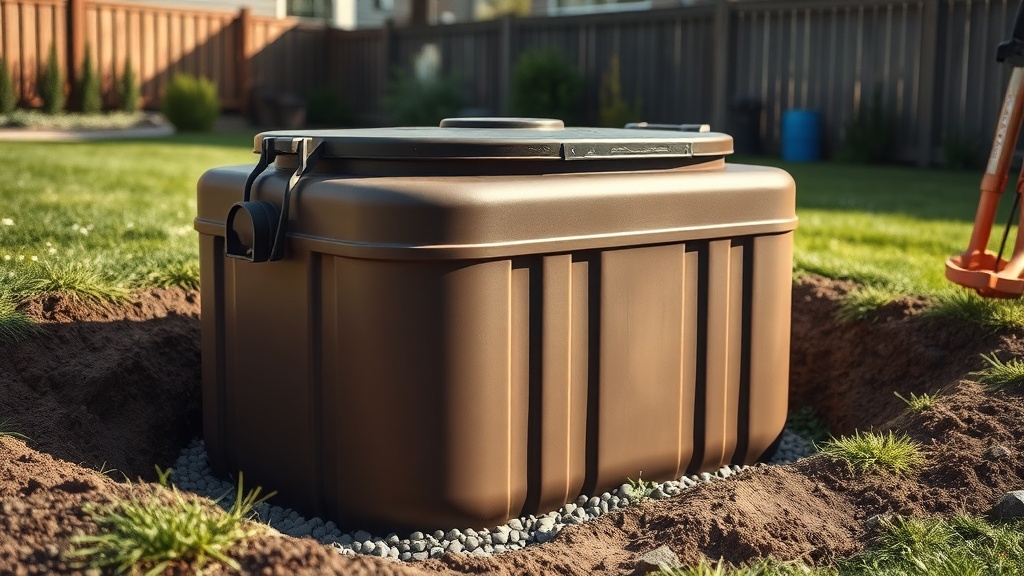
Polyethylene septic tanks have become a popular choice for homeowners seeking a durable, lightweight, and corrosion-resistant alternative to traditional concrete or steel tanks. Made from high-density polyethylene (HDPE), these tanks are molded into a seamless, watertight unit that resists cracking and root intrusion. However, proper installation is critical to long-term performance. This article covers key tips and common mistakes to avoid when installing or replacing a polyethylene septic tank, helping you protect your investment and avoid costly repairs.
1. What Are the Most Important Steps for Proper Polyethylene Septic Tank Installation?
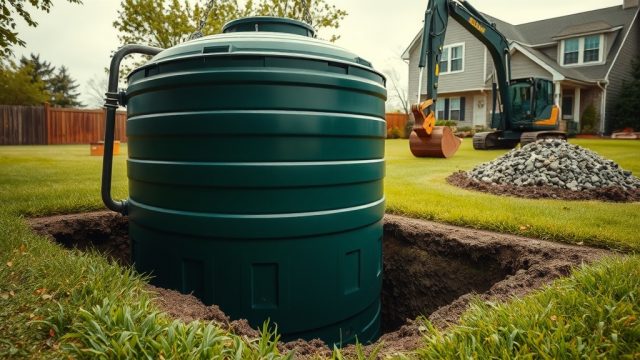
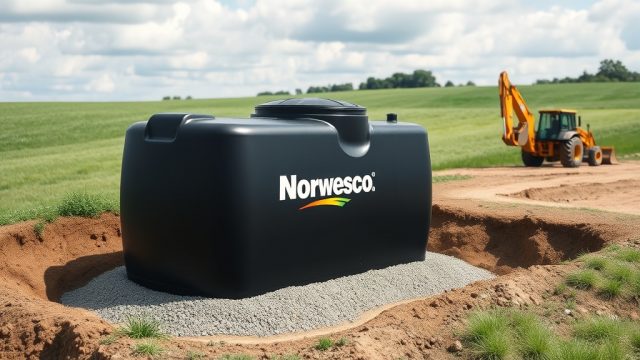
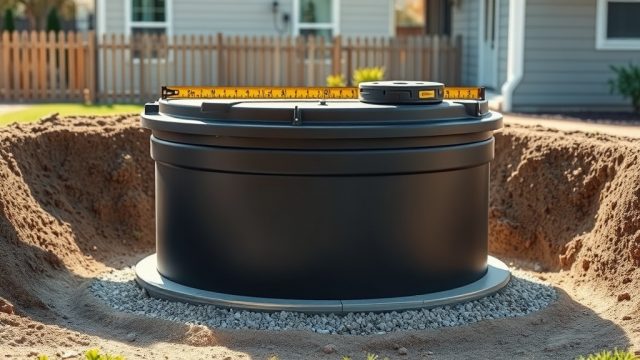
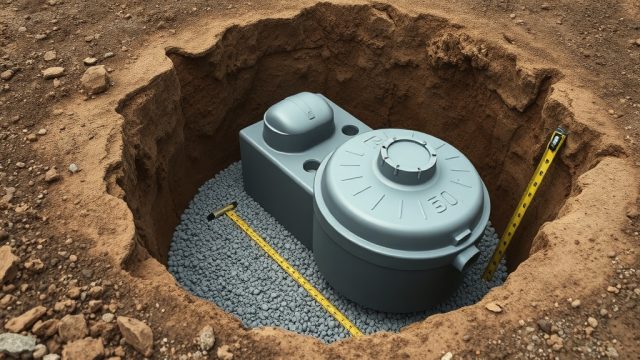
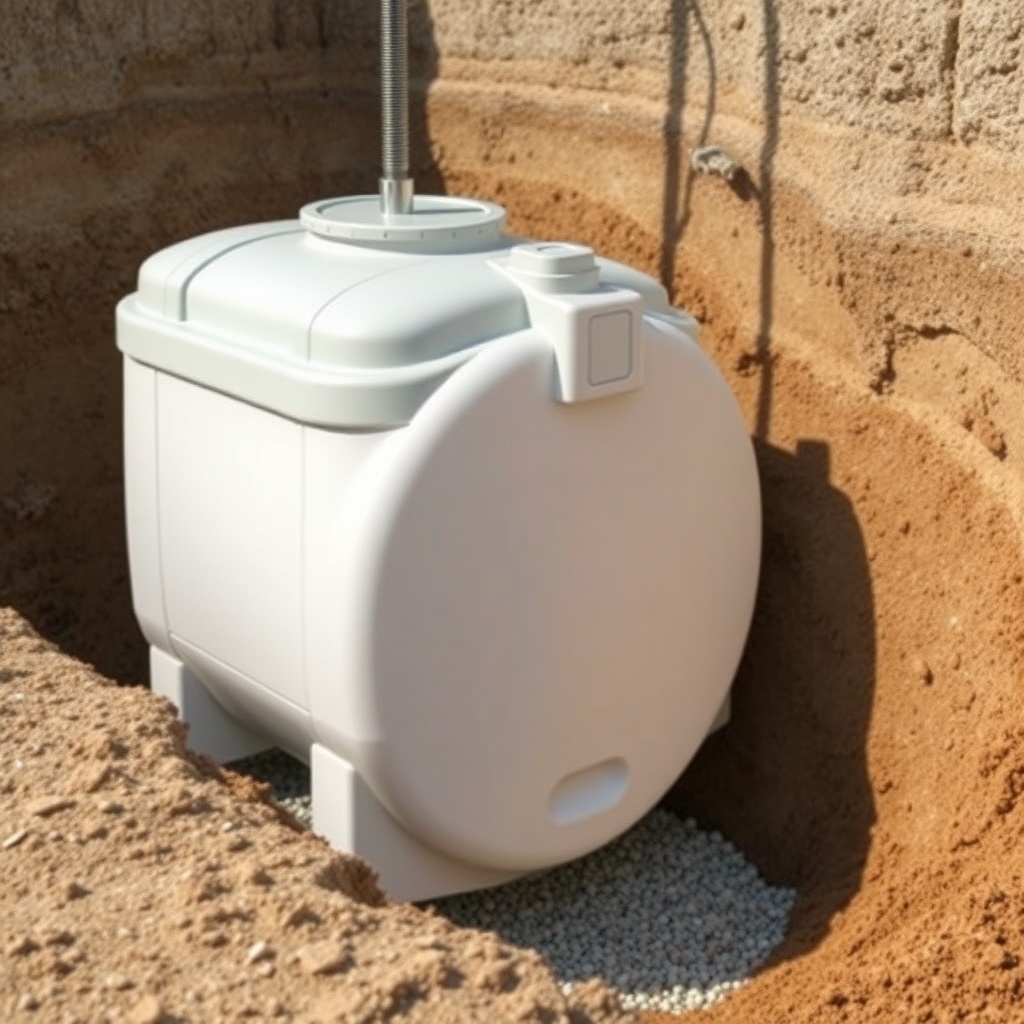
Proper installation begins with site assessment and soil testing. The tank must be placed on a level, well-compacted base—typically 4 to 6 inches of sand or gravel—to prevent uneven settling. Backfill should be placed in 12-inch lifts and compacted carefully around the tank to avoid damaging the sidewalls. Always install the tank with the inlet and outlet pipes correctly aligned (a minimum fall of 1/4 inch per foot) and use flexible couplings at pipe connections to accommodate ground movement. Finally, secure the tank against buoyancy: if the groundwater table is high, a concrete collar or anchor straps are essential to prevent the empty tank from floating out of the ground.
2. Common Installation Mistakes That Lead to Early Failure
One frequent error is backfilling with large rocks or sharp debris, which can puncture the tank wall. Another mistake is failing to install a gravel base: soft soil can cause the tank to sink or tilt, leading to pipe breaks. Over-tightening pipe connections or using rigid PVC glue instead of flexible rubber boots often results in cracking at the tank inlet or outlet. In cold climates, incorrect burial depth (less than the frost line) can cause the tank to freeze and crack. Finally, many homeowners skip the manufacturer’s recommended internal bracing during transport—this can deform the tank before it’s even installed.
3. How Much Does Polyethylene Septic Tank Installation Cost?
The total cost includes the tank itself, excavation, backfill material, labor, and permits. A 1,500-gallon polyethylene tank typically ranges from £800 to £1,500 (approximately $1,000–$1,900). Installation labor adds another £500–£1,200, with total costs often running £1,500–£3,000 (roughly $1,900–$3,800). Prices vary by region, soil conditions, and whether you need a new drain field. For a detailed breakdown, see our Cost Comparison: Polyethylene vs Concrete Septic Tanks – Which Is Cheaper in the Long Run? article.
| Component | Low End (£) | High End (£) | Notes |
|---|---|---|---|
| 1,500-gallon tank | 800 | 1,500 | Includes standard lid and inlet/outlet |
| Excavation & removal of old tank | 300 | 700 | Varies with depth and access |
| Gravel base & backfill material | 100 | 250 | Usually 2–3 cubic yards |
| Labour (installation & connections) | 500 | 1,200 | Includes plumbing and testing |
| Permits & inspection | 100 | 300 | Local regulations vary |
| Total (approx) | 1,800 | 3,950 | Drain field not included |
4. What Are the Key Differences Between Polyethylene and Concrete Tanks?
Polyethylene tanks are lighter (typically 150–250 kg vs. 1,500+ kg for concrete), making them easier to handle and install without heavy equipment. They are resistant to corrosion and chemicals, and they do not crack in freeze-thaw cycles. However, they may be more susceptible to damage from sharp rocks or high groundwater buoyancy if not anchored. Concrete tanks are heavier and more puncture-resistant, but they can crack over time and may require internal lining. For an in-depth comparison of long-term costs, read our Cost Comparison: Polyethylene vs Concrete Septic Tanks – Which Is Cheaper in the Long Run? article.
5. How Do You Avoid Buoyancy and Groundwater Problems?
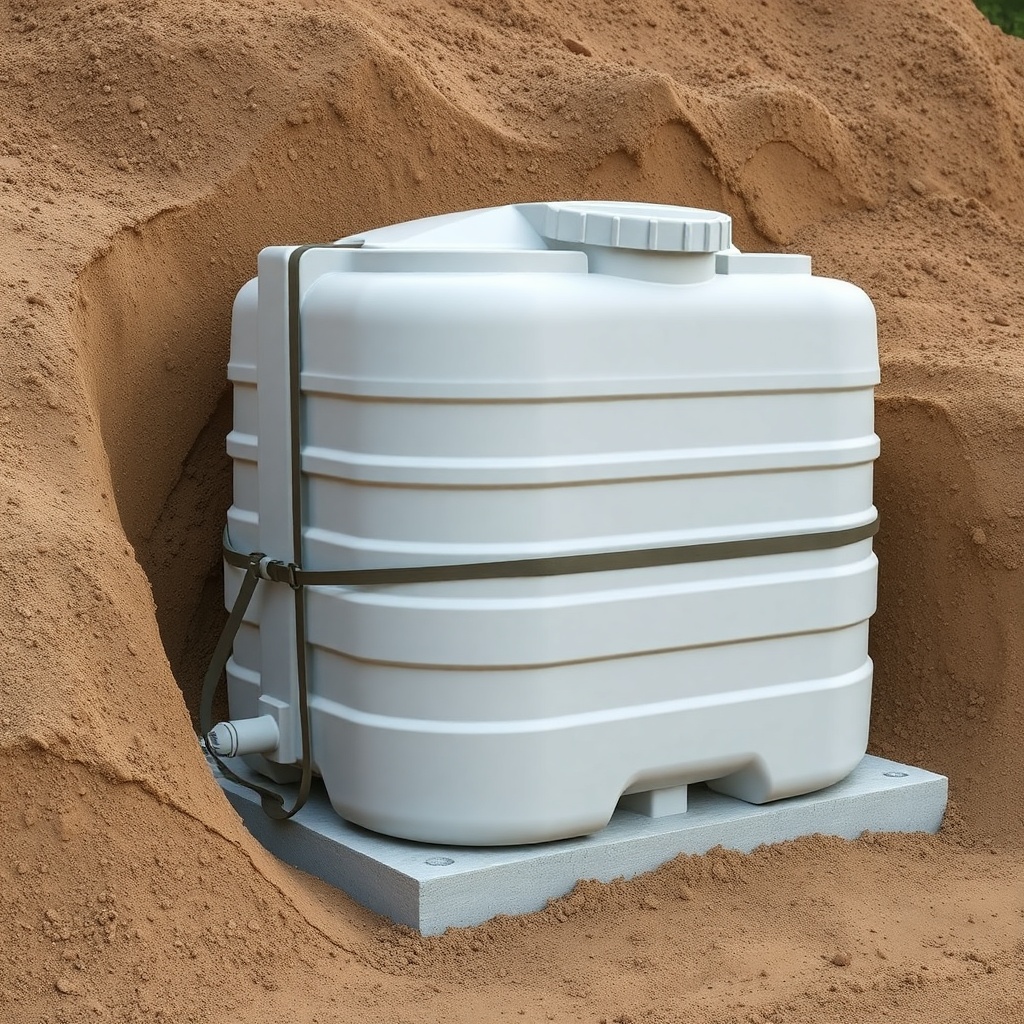
Polyethylene tanks are lightweight and can float out of the ground if groundwater rises. To prevent this, you must install a concrete collar or use anchor straps bolted to a concrete pad. Backfill with compacted soil or gravel to create friction. In high-water-table areas, some regulations require a 6-inch thick concrete slab at the base with straps bolted to it. Additionally, ensure the tank is filled with water during backfilling—this adds weight and prevents floatation. Never leave an empty tank in an excavation overnight if rain is forecast.
6. What Do Owners Say About Polyethylene Septic Tanks?
Homeowners frequently praise polyethylene tanks for their ease of installation and lack of corrosion. One owner in the UK noted, “My 1,200-gallon tank arrived in one piece, and two of us lifted it into the hole with a small digger. No rust, no cracks after five years.” Another commented that the tank’s smooth interior walls reduce sludge buildup compared to rough concrete. However, some owners caution that heavier rocks in the backfill can dent the tank, and a few reported that their tank needed additional anchoring after a wet winter raised the water table. Overall, most are satisfied when installation follows the manufacturer’s guidelines.
Frequently Asked Questions
Q1: How long does a polyethylene septic tank typically last?
With proper installation and maintenance, a polyethylene septic tank can last 30 to 50 years. The material is resistant to corrosion and chemical damage, though UV exposure can weaken it if left above ground.
Q2: Can a polyethylene septic tank be repaired if it cracks?
Small cracks can sometimes be repaired using a plastic welding kit or epoxy designed for HDPE. However, large cracks or structural damage usually require replacement, as welded repairs may not withstand long-term soil pressure.
Q3: Is a polyethylene septic tank suitable for high groundwater areas?
Yes, but it requires proper anchoring. A concrete collar or anchor straps are mandatory to prevent floatation. You must also install a gravel or sand base and ensure the tank is filled during backfill.
Q4: How deep should a polyethylene septic tank be buried?
Depth depends on the frost line in your region. In most temperate climates, 12 to 18 inches of cover is sufficient, but in colder areas, 24 to 36 inches may be required to prevent freezing. Always check local codes.
Q5: Can I install a polyethylene septic tank myself?
While DIY is possible for experienced excavators and plumbers, most jurisdictions require a licensed installer for permit approval. Mistakes in backfill, anchoring, or pipe alignment can lead to costly repairs.
Q6: How does the cost compare to concrete tanks over the long term?
Polyethylene tanks often have lower upfront installation costs due to lighter weight and easier handling. Over 30 years, they may be cheaper because they are less prone to corrosion cracking. See our Cost Comparison: Polyethylene vs Concrete Septic Tanks – Which Is Cheaper in the Long Run? article for a full analysis.