Polyethylene Septic Tank vs Concrete: Which Material Is Best for Your Home?
Choosing the right septic tank material is a critical decision for any homeowner, as it directly impacts system longevity, maintenance costs, and overall performance. This comparison between polyethylene septic tanks and concrete tanks will help you evaluate weight, durability, installation complexity, and long-term value to make an informed choice for your property.
How Do Polyethylene and Concrete Septic Tanks Differ in Construction?
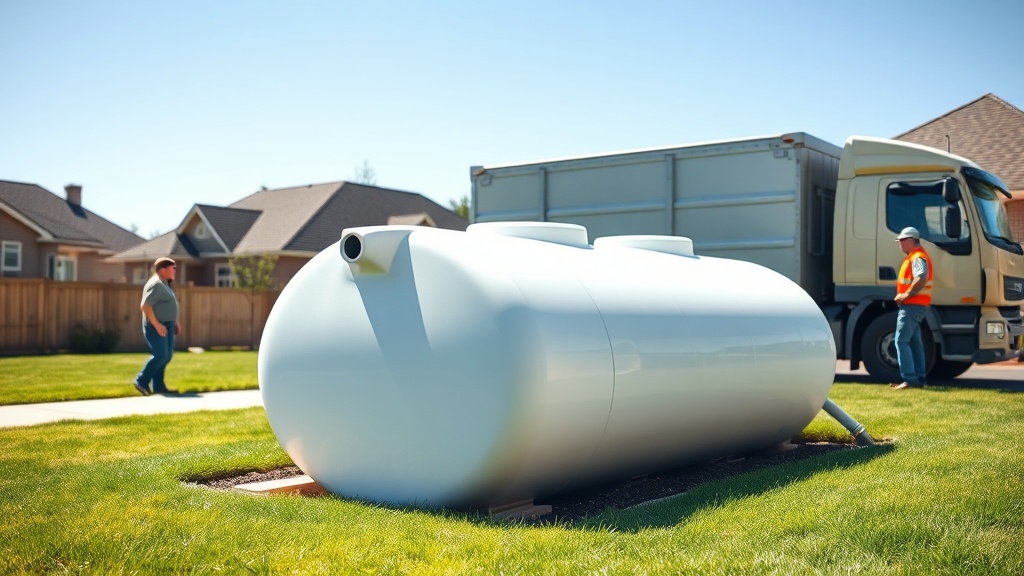
Polyethylene septic tanks are manufactured from high-density polyethylene (HDPE) through a rotational molding process, creating a seamless, one-piece structure. They are lightweight—typically weighing 150 to 300 pounds for a 1,000-gallon tank—making them easy to transport and handle on site. Concrete septic tanks are poured or precast using reinforced concrete, resulting in a much heavier unit that can weigh 4,000 to 8,000 pounds or more for the same capacity. Concrete tanks require heavy machinery for delivery and placement.
The internal design also varies. Polyethylene tanks often feature built-in baffles and risers that are integrally molded, reducing the number of separate components. Concrete tanks typically have separate baffle walls or tees that must be installed during setup. Both materials can achieve effective wastewater treatment when properly sized and maintained, but the construction differences affect installation speed and labor costs.
Which Material Offers Better Durability and Crack Resistance?
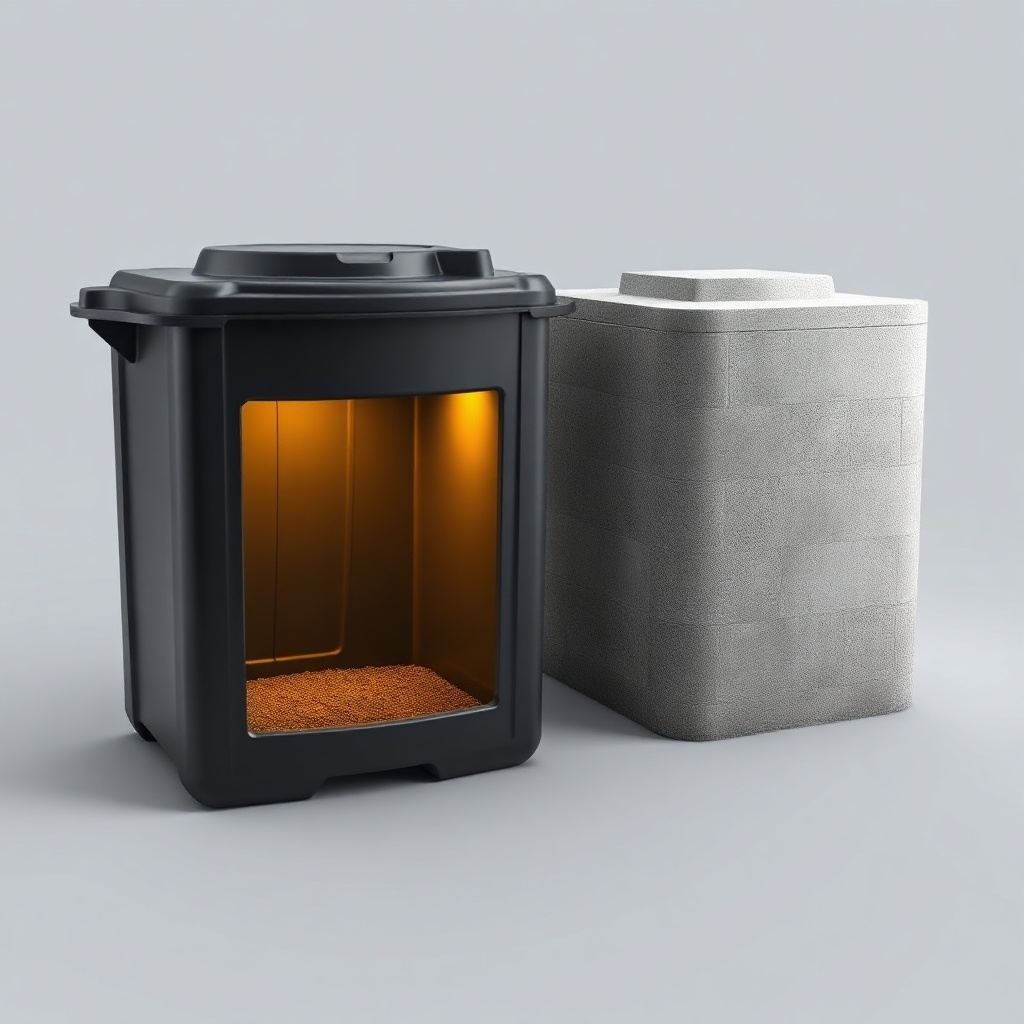
Polyethylene is inherently flexible, allowing the tank to withstand ground movement, frost heave, and minor soil shifts without cracking. This flexibility is a major advantage in regions with expansive clay soils or seasonal freeze-thaw cycles. While polyethylene can be punctured by sharp rocks or heavy equipment during installation, it does not corrode or rot, and it resists chemical attack from household wastewater and standard septic additives.
Concrete is rigid and can develop cracks over time due to settling, tree root intrusion, or seismic activity. Once cracks form, they can allow groundwater infiltration or effluent leakage, compromising system function and environmental safety. However, properly reinforced and cured concrete tanks can last 30 to 50 years if conditions are stable. For a detailed breakdown of how each material holds up over decades, see our Polyethylene vs Concrete Septic Tank: Durability and Lifespan Compared.
Installation Differences: Which Tank Is Easier and Cheaper to Install?
Installation complexity varies significantly between the two materials. Polyethylene tanks are lightweight enough that two to three workers can often maneuver them into place with minimal equipment, reducing heavy machinery costs. The tanks are delivered ready to use, with no need for curing time. Excavation still requires digging to proper depth, but lighter tanks simplify backfilling and leveling.
Concrete tanks demand a crane or boom truck for placement, increasing equipment rental costs and requiring careful coordination. The tank must be set on a properly compacted base to prevent uneven settling. Additionally, concrete tanks often need a curing period of several days before backfilling, which can delay the installation timeline. For a thorough comparison of installation steps and requirements, read our Polyethylene vs Concrete Septic Tank: Installation Differences and Key Considerations.
| Factor | Polyethylene Tank | Concrete Tank |
|---|---|---|
| Average weight (1,000 gal) | 200–300 lbs | 6,000–8,000 lbs |
| Equipment needed for installation | Small excavator or manual handling | Crane or boom truck |
| Installation labor time | 1–2 days | 2–4 days (includes curing) |
| Typical installation cost | $800–$1,200 | $1,500–$3,000 |
| Ground preparation | Standard base prep | Compacted base required |
Keep in mind that while polyethylene tanks save on installation, they may require more careful backfilling to avoid damage from large rocks. Following best practices is essential—review our Polyethylene Septic Tank Installation: Key Tips and Common Mistakes for guidance.
Which Tank Performs Better in High Water Table or Flood-Prone Areas?
In regions with high groundwater or seasonal flooding, tank weight becomes a critical safety concern. Polyethylene tanks are lightweight and must be anchored to prevent flotation when groundwater rises. Manufacturers include molded-in anchor tabs or straps, and installers use concrete deadmen or harness systems to secure the tank. When properly anchored, polyethylene tanks perform well in these conditions and will not crack under hydraulic pressure.
Concrete tanks naturally resist flotation due to their substantial weight, which acts as a built-in ballast. However, if a concrete tank is empty during a flood event, the buoyancy force can still lift it, though this is less common. The downside is that concrete tanks may crack if the surrounding soil shifts due to water saturation. For homes in flood-prone zones, each material has pros and cons, but polyethylene requires careful anchoring while concrete needs stable soil and proper reinforcement.
What Are the Long-Term Costs and Lifespan of Each Material?
The upfront cost difference is notable. A 1,000-gallon polyethylene septic tank typically costs between $800 and $1,200, while a comparable concrete tank ranges from $1,200 to $2,500. However, long-term expenses include repairs, replacement, and pumping frequency. Polyethylene tanks rarely need repairs for cracks or leaks because the material remains intact unless physically damaged. If damage does occur, repairs are possible—see our Polyethylene Septic Tank Repair: Tips for Fixing Cracks and Leaks for proven methods.
Concrete tanks may require patching for cracks every 10 to 20 years, and full replacement is often necessary after 30 to 50 years. Polyethylene tanks can last 50 years or more with proper maintenance and anchoring, and their leak-proof construction reduces the risk of soil contamination. Considering installation and maintenance, polyethylene often has a lower total cost of ownership. For a direct cost and longevity comparison, see our Polyethylene Septic Tank vs Concrete: Which Is Better for Your Home? article.
What Owners Say About Polyethylene and Concrete Septic Tanks
Homeowners who have installed polyethylene tanks frequently praise the ease of delivery and installation. Many note that the lightweight design allowed them to complete the project without renting heavy equipment, saving hundreds of dollars. Owners also appreciate the absence of cracks and leaks, even in areas with significant frost heave. However, a few caution that anchoring is non-negotiable in wet soils—an oversight can lead to tank floatation.
Concrete tank owners often emphasize the feeling of solidity and permanence. They report satisfaction with the tank’s weight and durability in stable soil conditions. Complaints typically center on crack formation over time, especially if the tank was not set on a proper base. Some owners have faced expensive repairs after tree roots cracked the tank. Overall, polyethylene owners tend to report fewer maintenance issues, while concrete owners value the traditional robustness but accept the risk of cracking.
For those torn between both options, a comparison with another material may provide clarity—check our Polyethylene Septic Tank vs Steel: Which Is the Better Choice? for a broader perspective.
Frequently Asked Questions
1. Is a polyethylene septic tank as strong as concrete?
Polyethylene is strong in terms of flexibility and impact resistance but can be punctured by sharp objects. Concrete is rigid and heavy, making it more resistant to crushing loads but prone to cracking under ground movement. Neither is universally stronger; the best choice depends on soil conditions and installation quality.
2. How long does a polyethylene septic tank last?
A properly installed and maintained polyethylene septic tank can last 50 years or more. The material does not corrode, rot, or rust, and flexibility prevents cracking from normal ground shifting. UV exposure from improper storage can degrade the plastic over time, but buried tanks are protected.
3. Can a polyethylene tank be installed in a high water table?
Yes, but it must be properly anchored to prevent flotation. Manufacturers provide anchor tabs, and installers use concrete deadmen or straps to secure the tank. Without anchoring, the tank can rise when groundwater is high, potentially damaging pipes and the system.
4. Are concrete septic tanks cheaper than polyethylene?
Initial purchase price for a concrete tank is often higher, typically $1,200 to $2,500 versus $800 to $1,200 for polyethylene. However, installation costs for concrete are also higher due to required heavy machinery. Over the tank’s lifetime, polyethylene usually has lower total costs because it requires fewer repairs.
5. Do polyethylene tanks need special backfill material?
Yes, backfill should be clean, free of large rocks or sharp debris that could puncture the tank. Sand or fine gravel is recommended around the sides and top. Careful compaction is important to avoid damaging the tank or creating voids that could lead to settling.
6. Which tank is better for DIY installation?
Polyethylene tanks are more DIY-friendly due to their light weight and ease of handling. However, proper excavation, leveling, and backfilling still require knowledge and care. Concrete tanks are generally not recommended for DIY because of their weight and the need for heavy equipment. Always check local codes before attempting any self-installation.