Norwesco 1000 Gallon Septic Tank Review: Is It Right for Your Home?
Choosing the right septic tank is a major decision for any homeowner, and the Norwesco 1000-gallon model is one of the most popular polyethylene tanks on the market. This review dives into its construction, real-world performance, and practical considerations to help you decide if it’s the right fit for your property. We’ll cover everything from material durability to installation quirks, drawing on both technical specs and owner feedback.
How Does the Norwesco 1000 Gallon Tank Hold Up in Real-World Conditions?
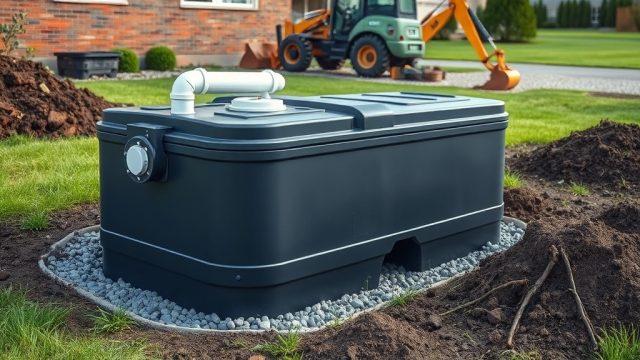
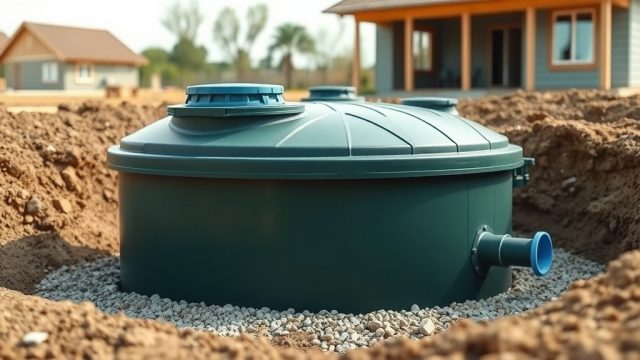
The Norwesco 1000-gallon septic tank is manufactured from rotational-molded high-density polyethylene (HDPE), a material known for its resistance to corrosion, cracking, and root intrusion—problems that plague older concrete or steel tanks. The one-piece, seamless design eliminates weak points at joints, which is a common failure spot in multi-piece tanks. In practice, this translates to a unit that handles shifting soil and moderate freeze-thaw cycles better than rigid alternatives, provided the tank is properly backfilled with sand or pea gravel as per the Permit Requirements for Norwesco 1000 Gallon Septic Tank Installation.
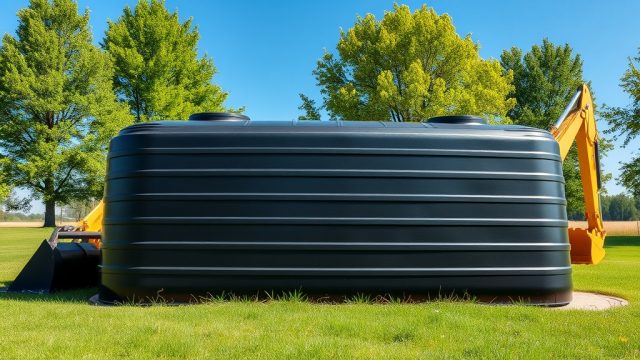
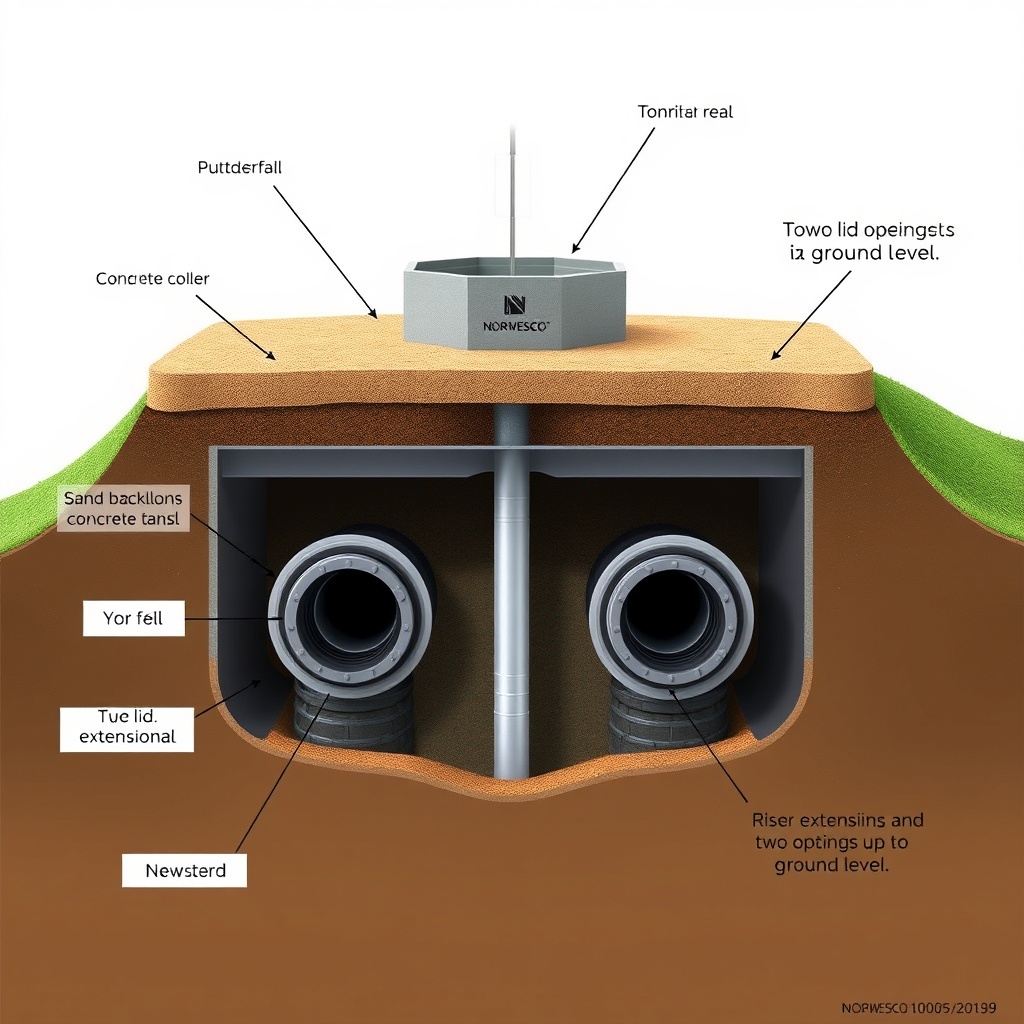
However, HDPE has a lower density than concrete, which means the empty tank can float if the water table rises after installation. This is a critical consideration: if your property has high groundwater or seasonal flooding, you must anchor the tank—typically by pouring a concrete collar around the top or using manufacturer-specified tie-downs. Owners who skipped this step often report tanks shifting or rising within the first few years. The tank’s ribbed exterior walls provide structural rigidity, but they do not replace proper installation ballast.
From a maintenance perspective, the smooth interior surface of polyethylene minimizes sludge and scum adhesion, which can slightly extend the time between pump-outs compared to rough concrete interiors. The tank weighs about 450 pounds empty—light enough to be maneuvered with a skid steer, yet heavy enough that a two-person crew is recommended for positioning. This lightness is a double-edged sword: it simplifies handling but demands careful backfill to prevent deformation from sidewall pressure.
What Are the Exact Dimensions and Specifications You Need to Know?
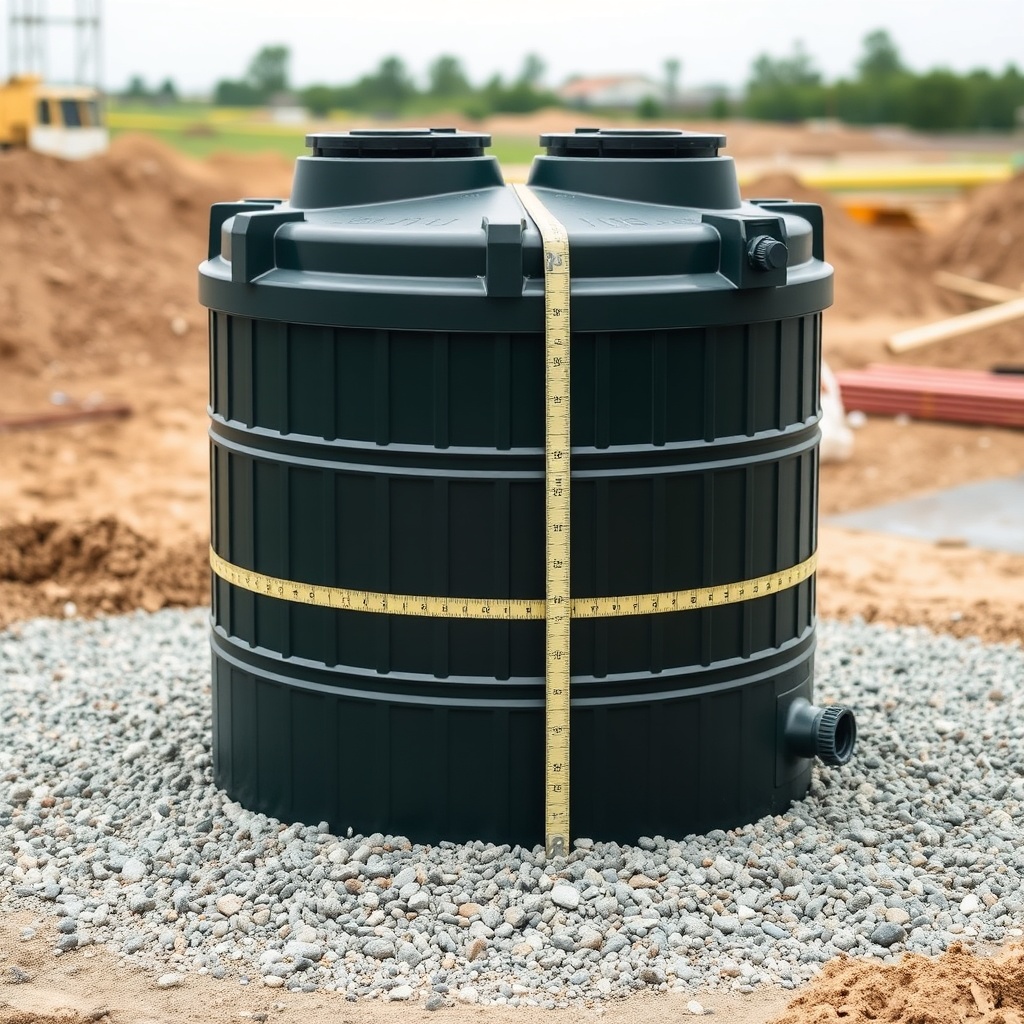
Before ordering, you need to confirm that your site can accommodate the tank’s physical footprint and that it meets local code requirements. Here are the key specs for the Norwesco 1000-gallon model:
| Specification | Value |
|---|---|
| Total capacity | 1,000 gallons (nominal) |
| Length | 96 inches |
| Width | 60 inches |
| Height (to top of lid) | 66 inches |
| Inlet/outlet invert height | 54 inches (from bottom of tank) |
| Dry weight | 450 pounds |
| Lid diameter (access port) | 24 inches (two lids) |
| Typical price (tank only, USD) | $1,200 – $1,600 |
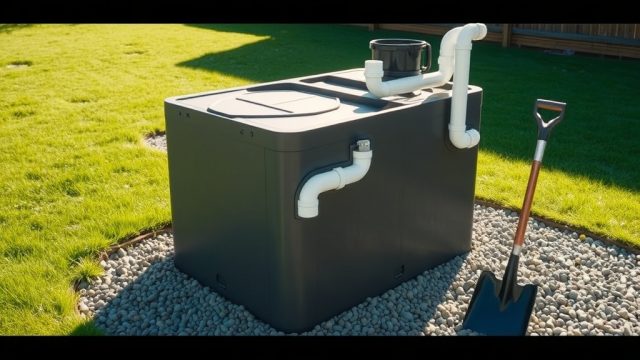
Note that these dimensions are for the standard residential model without a pump vault. If your installation requires a pump or effluent filter, you’ll need to factor in an additional 12–18 inches of depth for the pump chamber. The inlet and outlet are designed for 4-inch schedule 40 PVC pipe, and the holes are pre-molded but not cut—you’ll need to core them on-site. Many installers recommend sealing these penetrations with a flexible rubber boot and stainless steel clamps to prevent leaks.
The two 24-inch lids allow for easy access during pumping and inspection, but they sit flush with the top of the tank. If you plan to bury the lid deeper than a few inches, you’ll need to install an extension riser to bring the lid to grade. Most owners find that adding a 12-inch or 18-inch riser (sold separately) is worth the cost to avoid digging every time the tank needs servicing.
How Does the Norwesco 1000 Compare to Concrete and Steel Alternatives?
When comparing the Norwesco 1000 to concrete tanks, the trade-offs are clear. A concrete tank of the same capacity typically costs slightly less—around $900 to $1,200—but weighs over 4,000 pounds, which requires heavy equipment and often a crane for placement. Concrete is also prone to cracking from ground movement or acidic soil conditions, and repairs are difficult and expensive. The Norwesco tank, by contrast, is light enough that two people can roll it into position using pipe rollers, and it won’t deteriorate when exposed to septic gases or acidic water.
Steel tanks are becoming obsolete for residential use in most areas due to corrosion. Even with coatings, a steel tank typically rusts through in 15–20 years, whereas the Norwesco polyethylene tank has an expected lifespan of 40+ years when installed correctly. The only scenario where steel might still be considered is in very deep installations where the soil pressure could exceed the structural capacity of HDPE—but even then, most engineers now specify reinforced concrete or fiberglass for deep bury applications.
Fiberglass tanks are a closer competitor to polyethylene. They are also lightweight and corrosion-resistant, but fiberglass is more brittle and can crack if struck by a rock during backfill. Norwesco’s HDPE is more impact-resistant and flexible, making it a better choice for rocky soils. In terms of price, fiberglass tanks in the 1,000-gallon range are similar to the Norwesco—typically $1,300 to $1,700—but availability may be limited in some regions.
When it comes to reliability, the Norwesco consistently scores high in owner surveys. The primary complaint is not about the tank itself but about the need to install Proper Drainfield Sizing for Norwesco 1000 Gallon Tank—if the drainfield is undersized, even a perfect tank will fail within a few years.
What Are the Common Installation Challenges and How Do You Solve Them?
Even a well-made tank can fail prematurely if installation mistakes are made. Based on reports from septic professionals, here are the most frequent issues encountered when installing the Norwesco 1000-gallon tank, along with their severity and recommended action.
| Symptom | Severity & Recommended Action |
|---|---|
| Tank floats or rises after heavy rain | Needs attention soon. Immediately increase ballast by adding concrete collar or water inside tank. Delaying can cause pipe connections to break. |
| Sidewalls bulge inward | Needs attention soon. This indicates excessive soil pressure from improper backfill. Remove and replace with sand or gravel. Do not use clay or heavy soil. |
| Lids are not watertight | Usually not urgent. Check gasket condition. Most lids use a foam seal that can be replaced easily. If water enters, it’s primarily an odor issue, not structural. |
| Inlet/outlet connections weep water | Needs attention soon. Tighten clamps or replace rubber boots. Small leaks can attract roots and lead to pipe blockage over time. |
| Tank shifts sideways in lean soil | Needs attention soon. Install sidewall supports or concrete deadmen. Not urgent if connections remain intact, but can worsen over winter. |
| Effluent filter clogs frequently | Usually not urgent. Check filter size; install a finer mesh if needed. This is more of a maintenance nuisance than tank failure. |
The single most important step during installation is to follow the manufacturer’s backfill specification exactly. Norwesco requires a minimum of 12 inches of compacted sand or pea gravel around the sides and ends of the tank, with no rocks or large debris. Many owners have reported that a concrete collar around the top 12 inches of the tank prevents not only floating but also soil settling that can expose the lid over time.
What Do Actual Owners Say After Living With the Tank for Years?
Long-term owners of the Norwesco 1000-gallon septic tank share a few consistent observations that you won’t find in the marketing materials.
First, the tank’s lightweight nature is both a blessing and a curse. Many owners appreciated how easy it was for a small crew to place the tank without a crane, but several reported that the tank shifted noticeably after the first heavy rain if they hadn’t installed a concrete collar. One owner in Ohio said: “We had the tank installed in early fall, and by spring it had lifted three inches. The risers popped off and we had to dig it back down. The tank itself is fine, but I wish we had poured concrete around it from day one.”
Second, the smooth interior does seem to reduce sludge buildup. Several owners who pump every three years (instead of the typical two) reported that the tank was only half full of solids when serviced. However, this advantage disappears if the tank is undersized for the household. For a family of five, a 1,000-gallon tank is often the minimum—some owners wish they had gone with the 1,500-gallon model to get more buffer time between pumpings.
Third, the 24-inch lids are a practical upgrade over older 20-inch lids, but they still require a riser if the tank is buried more than a few inches deep. Owners who paid extra for risers unanimously said it was money well spent—no more digging in the mud every time the inspector comes. One owner noted: “The separate riser kit costs about $200, but I’ve already saved that in hassle with two pump-outs.”
How Long Will the Norwesco 1000 Last, and What Maintenance Is Needed?
The expected lifespan of a Norwesco 1000-gallon HDPE septic tank is 40 to 50 years, provided the tank is not exposed to UV sunlight (which degrades polyethylene over time) and is installed in a location with moderate soil pH. Direct sunlight will cause the material to become brittle, so the tank must never be stored outside uncovered before installation. Once buried, UV damage is no longer a concern.
Maintenance is straightforward and similar to any septic system. The tank should be pumped every 3 to 5 years for a family of four, depending on usage. A baffle filter should be cleaned annually to prevent solids from entering the drainfield. The lid gaskets should be inspected every two years for cracks or compression. If you notice odors near the tank, check the riser gaskets first—they are a common leak point in older installations.
If you encounter any common issues, refer to our 5 Common Septic Tank Problems and How to Fix Them for practical troubleshooting steps. For example, if the tank is gurgling or slow to drain, it’s often a blockage in the inlet pipe or a full baffle filter rather than a tank defect.
Frequently Asked Questions
Q1: Can I install the Norwesco 1000-gallon tank myself?
A1: While it is physically possible for a skilled DIYer to install the tank, most jurisdictions require a licensed installer to meet code and warranty requirements. Improper backfill or missing ballast can void the warranty. Expect to pay a professional $1,500 to $2,500 for installation, including excavation and backfill, not including the drainfield.
Q2: Does the Norwesco 1000-gallon tank come with a warranty?
A2: Yes, Norwesco typically offers a 10-year limited warranty against manufacturing defects. This does not cover damage from improper installation, floating, UV exposure, or physical abuse. Read the warranty carefully before purchasing.
Q3: Can the tank be used for a commercial system?
A3: For most single-family homes, 1,000 gallons is adequate. However, for a small commercial property (e.g., a daycare or small restaurant with fewer than 8 employees), a single 1,000-gallon tank may suffice, but local health department codes often require two tanks in series for commercial systems. Always check with your local authority.
Q4: How do I prevent the tank from freezing in winter?
A4: The tank should be buried below the frost line (typically 18 to 36 inches deep depending on climate). Adding a 6-inch layer of straw or foam insulation over the lid can provide extra protection in extreme cold. Do not leave the tank exposed above grade in freezing climates.
Q5: What size drainfield do I need for a 1,000-gallon tank?
A5: The drainfield size depends on soil percolation rate and local codes. A typical 3-bedroom home with a 1,000-gallon tank may need a design area of 1,200 to 2,000 square feet. For detailed guidance, read our article on Proper Drainfield Sizing for Norwesco 1000 Gallon Tank.
Q6: Can I replace an old concrete tank with a Norwesco 1000?
A6: Yes, but you must safely remove the concrete tank (often requiring breaking it into pieces) and ensure the new tank is properly bedded. The old tank’s effluent pipes can often be reused if they are in good condition. Expect the replacement process to take 3 to 5 days, including permitting.