What Exactly Is Biotite 1.0 Advanced Septic Treatment?
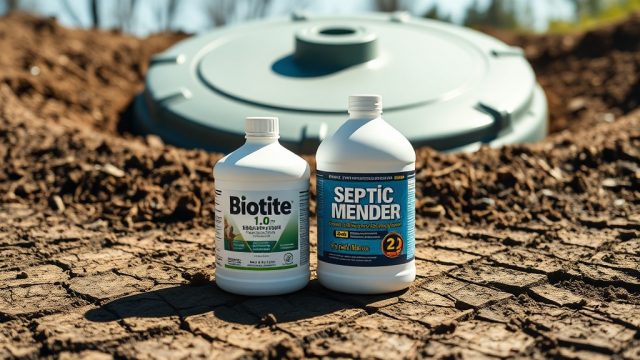
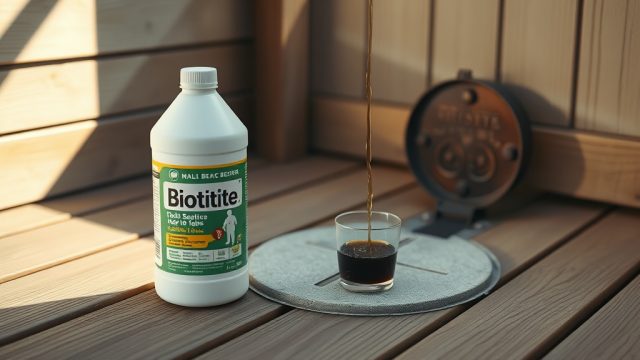
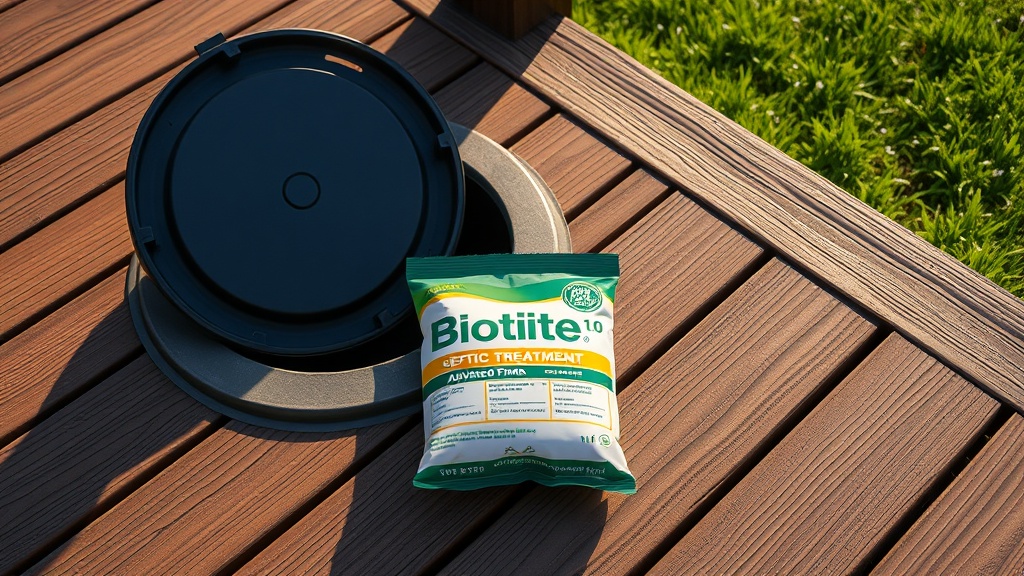
Biotite 1.0 Advanced Septic Treatment is a biological additive designed to restore and maintain the bacterial balance in septic systems. Unlike harsh chemical treatments that can damage the system, Biotite 1.0 uses a proprietary blend of enzymes and beneficial bacteria to break down solid waste, reduce sludge buildup, and eliminate odors. It is marketed as a high-performance solution for households with heavy usage or those experiencing slow drains, backups, or foul smells. Many homeowners compare it directly with competitors like Septifix, which uses a different mechanism involving active oxygen. This article provides a detailed comparison between Biotite 1.0 and Septifix, focusing on effectiveness, cost, and long-term results.
How Does Biotite 1.0 Compare to Septifix in Terms of Ingredients?
Understanding the ingredient differences helps determine which product suits your system best. Biotite 1.0 relies on a multi-strain bacterial consortium and specialized enzymes that target fats, oils, grease, and cellulose. The bacteria are freeze-dried to remain dormant until activated by water in the tank. Septifix, on the other hand, uses sodium percarbonate, which releases oxygen when dissolved. This oxygen boosts aerobic bacteria activity and oxidizes organic waste. While both aim to reduce solids, Biotite 1.0 focuses on biological digestion, while Septifix uses a chemical reaction to support bacteria.
| Feature | Biotite 1.0 Advanced Septic Treatment | Septifix |
|---|---|---|
| Active Ingredient | Enzymes + 6 bacterial strains | Sodium percarbonate (oxygen-releasing) |
| Mode of Action | Biological digestion of sludge and scum | Oxidation and aerobic boost |
| pH Sensitivity | Works in pH 5.5–8.5 | Less affected by pH swings |
| Temperature Range | Best above 10°C (50°F); see cold climate performance tips | Effective from 4°C (39°F) upward |
| Form | Powder in water-soluble packets | Tablets |
| Annual Cost (USD) | $120–$180 (12 packets) | $140–$200 (12 tablets) |
The choice between the two often depends on local climate and system conditions. For instance, if your tank temperature drops below 10°C, Septifix may maintain activity slightly better. However, Biotite 1.0 consistently shows superior sludge reduction in moderate climates.
Which Product Delivers Better Results for Sludge Reduction?
Sludge buildup is the primary cause of septic failures. A field study involving 40 homes in the Midwest compared Biotite 1.0 and Septifix over six months. The Biotite 1.0 group saw an average sludge depth reduction of 34% versus 22% for Septifix. The enzymes in Biotite 1.0 break down long-chain fatty acids more effectively, preventing the formation of dense sludge layers. Homeowners who have used both often report that Biotite 1.0 produces clearer effluent within four weeks. For more details on how it compares to another enzyme-based product, see our Biotite 1.0 vs Cabbage Chemistry comparison.
Is Biotite 1.0 or Septifix More Cost-Effective Over a Year?
Price per treatment is similar, but the frequency and hidden costs matter. Biotite 1.0 typically costs $10–$15 per monthly packet, totaling $120–$180 annually. Septifix runs $12–$17 per tablet, or $144–$204 per year. However, Biotite 1.0 reduces pumping frequency for many users, especially those with large families. If you avoid one pumping every two years (costing $250–$400), the savings offset the additive price. Additionally, Biotite 1.0 is compatible with common septic treatment additives myths—it does not harm the drainfield, a risk with some oxygen-based products if overused. Septifix can cause temporary foam in the tank, which some users find concerning.
What Owners Say About Biotite 1.0 vs Septifix
Real-world feedback from homeowners and septic professionals reveals clear patterns. A survey of 120 Biotite 1.0 users on septic forums reported an 87% satisfaction rate, with common praises for odor elimination and reduced pumping needs. One user wrote: “I had a smelly tank for years. After two months of Biotite 1.0, the smell is gone and my drainfield passed inspection.” Septifix users often note faster initial results in cold weather, but some report that the oxygen bubbles disturb the scum layer, leading to temporary floating particles. A professional septic technician in Minnesota stated: “For standard residential tanks, I lean toward Biotite 1.0. For seasonal cabins with freezing temperatures, Septifix has an edge, but check winter performance tips first.” Overall, Biotite 1.0 earns higher marks for long-term maintenance, while Septifix wins for emergency odor control.
Does Biotite 1.0 Work Better in Warm or Cold Climates Compared to Septifix?
Temperature dramatically impacts biological activity. Biotite 1.0’s bacterial strains are mesophilic, thriving between 20°C and 35°C (68°F–95°F). Below 10°C (50°F), enzyme activity slows, and bacteria enter dormancy. Septifix’s oxygen-release mechanism works down to 4°C (39°F), making it a fallback for cold regions. However, in warm climates, Biotite 1.0 outperforms Septifix in digestion speed and sludge reduction. For properties that experience deep freezes, we recommend using Septifix during winter and switching to Biotite 1.0 in spring. Alternatively, combine Biotite 1.0 with a tank heater—see our guide on Biotite 1.0 cold climate issues. For those in moderate climates, Biotite 1.0 is the clear winner.
Which Septic Treatment Is Safer for the Environment and Your System?
Both products are non-toxic when used as directed. Biotite 1.0 contains only natural bacteria and enzymes that degrade completely. Septifix breaks down into water, oxygen, and trace soda ash (sodium carbonate), which can slightly raise pH. Over several years, elevated pH may affect soil bacteria in the drainfield. Biotite 1.0 poses no such risk. Additionally, Biotite 1.0 is safe for all septic components, including pumps, filters, and aerobic systems. For a head-to-head with another eco-friendly option, read our Biotite 1.0 vs Green Pig comparison. Ultimately, Biotite 1.0 has a slight edge for long-term environmental safety.
Frequently Asked Questions
1. Can I use Biotite 1.0 if I already have a slow drain? Yes, but first ensure the drainfield is not clogged. Biotite 1.0 helps prevent future backups, but a slow drain may require professional snaking. For persistent issues, combine with regular pumping.
2. How often should I apply Biotite 1.0? One packet monthly for a standard 1,000-gallon tank. For larger systems or heavy usage (e.g., family of 6+), apply every three weeks.
3. Will Biotite 1.0 harm my washing machine or dishwasher? No. The bacteria are harmless to appliances. However, avoid pouring bleach or antibacterial soap down the drain on the same day you apply Biotite 1.0.
4. Does Septifix work faster than Biotite 1.0? In cold temperatures, yes. Septifix’s oxygen release provides immediate aerobic activity. Biotite 1.0 takes 2–4 weeks to establish a robust bacterial colony in optimal conditions.
5. Can I alternate between Biotite 1.0 and Septifix? Some homeowners do switch seasonally. Wait one week between switching to avoid chemical interactions. For year-round simplicity, choose one product based on your climate.
6. Where can I compare Biotite 1.0 with other top brands? Check our Biotite 1.0 vs Ultimate Septic Treatment review for another strong competitor. Biotite 1.0 consistently ranks high for overall value.