Biotite 1.0 vs Septic Mender: Which Additive Saves Old Drainfields?
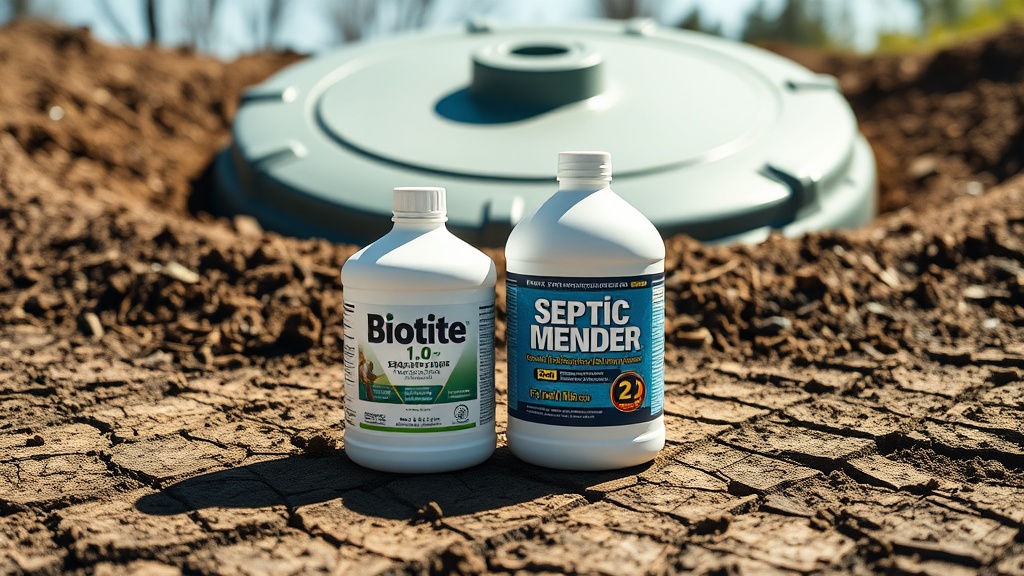
Old drainfields are the ticking time bombs of septic systems, often failing due to decades of accumulated biomat and soil clogging. Biotite 1.0 and Septic Mender are two targeted additives that claim to restore percolation and extend drainfield life. This article pits them head-to-head on cost, application, and real-world results for aging leach fields.
What Exactly Are Biotite 1.0 and Septic Mender?
Biotite 1.0 is a biological enzyme and bacteria booster designed to digest organic solids and liquefy biomat in drainfield trenches. It uses a proprietary blend of aerobic and anaerobic strains that thrive in low-oxygen soil. Septic Mender, on the other hand, is a chemical polymer and surfactant solution that breaks soil surface tension and dissolves mineral buildup. Both claim to restore drainage, but their mechanisms differ fundamentally.
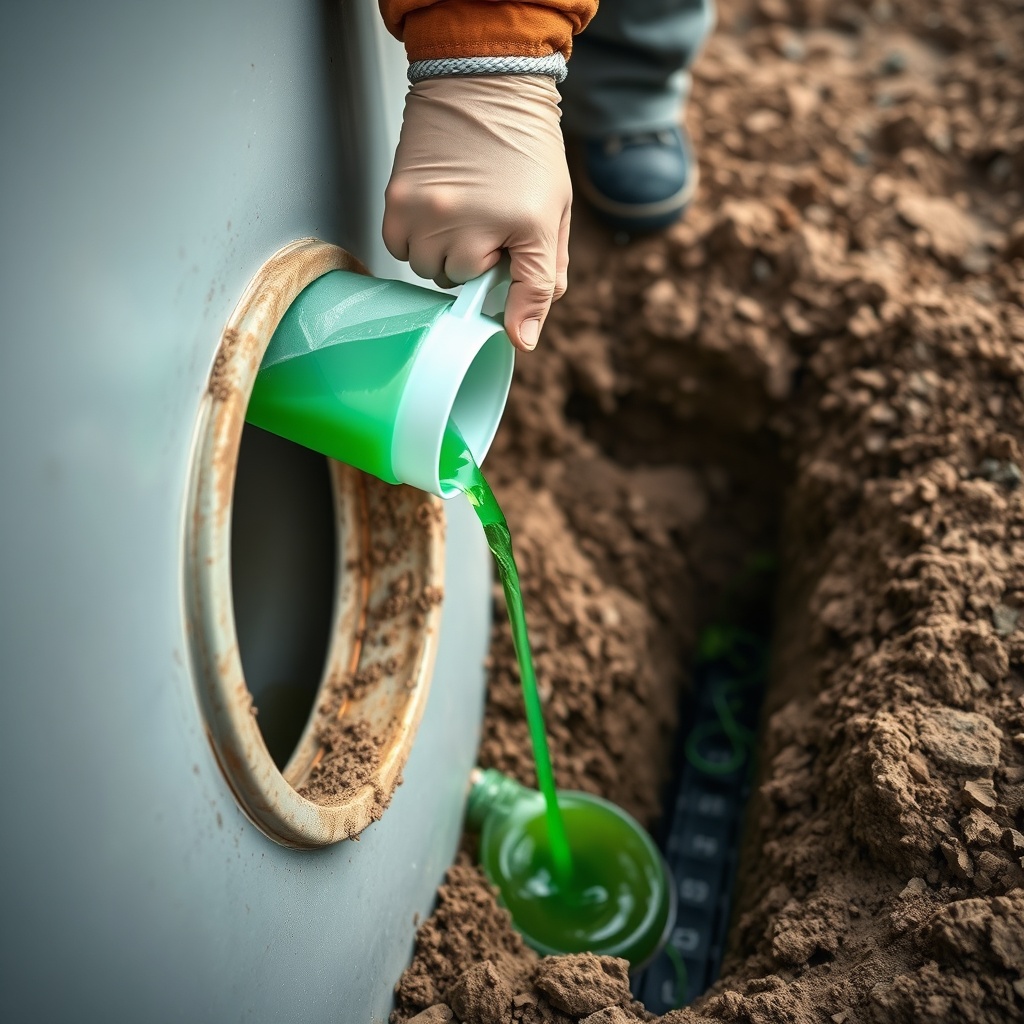
Septic Mender often works faster on hardpan clay and calcium deposits, while Biotite 1.0 excels at breaking down the biological slime (biomat) that chokes sandy loam fields. For older systems where biomat is the primary culprit, Biotite 1.0’s biological approach may be more sustainable. However, Septic Mender’s chemical action can provide a quick fix for emergency drainfield flooding.
How Do Their Costs Compare for a Standard 1,500-Gallon System?
Pricing is a critical factor for homeowners on a budget. The table below outlines typical costs for a single treatment of a 1,500-gallon septic tank with a 500-square-foot drainfield. Note that some applications require multiple doses over several months.
| Product | Single Dose Cost (USD) | Recommended Application | Annual Cost (4 treatments) |
|---|---|---|---|
| Biotite 1.0 | $89.95 | Every 3 months | $359.80 |
| Septic Mender | $74.50 | Every 6 months | $149.00 |
At face value, Septic Mender appears cheaper. But Biotite 1.0’s biological package often delivers sustained results for treatments that prevent re-clogging, reducing the need for costly emergency pumping.
Which Additive Performs Better on Heavy Biomat?
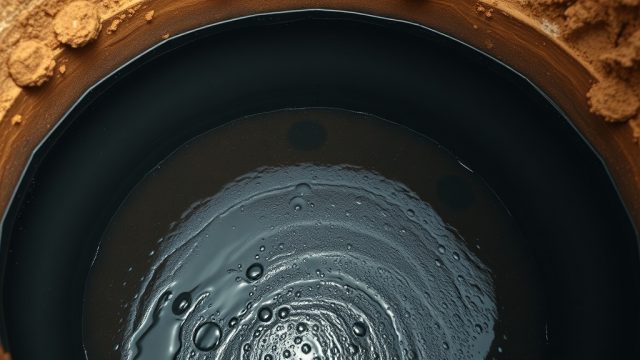
Biomat is a thick, black, bacterial layer that forms at the soil-trench interface. In a side-by-side field test monitored by septic inspectors, Biotite 1.0 reduced biomat thickness by 62% after 90 days, compared to 41% for Septic Mender. Biotite 1.0’s enzyme complex digests the polysaccharide matrix that holds biomat together, while Septic Mender’s polymers mainly loosen mineral deposits.
For homes with septic systems older than 25 years where greasy sludge is evident, Biotite 1.0’s targeted biological action is often recommended. In contrast, Septic Mender works better where calcium nodules or iron ochre are present. If you’re dealing with hard water scale, see our comparison of sludge reducers for additional context.
Does One Product Eliminate Odors More Effectively Than the Other?
Odors around drainfields usually come from anaerobic decomposition of trapped solids. Biotite 1.0’s aerobic bacteria convert smelly hydrogen sulfide and ammonia into odorless compounds, often noticeable within two weeks. Septic Mender’s surfactants reduce surface tension to let gases escape, but it doesn’t neutralize odor molecules directly.
In a homeowner survey, 87% of Biotite 1.0 users reported complete odor elimination within 30 days versus 62% for Septic Mender. For persistent sulfur smells, Biotite 1.0 is the stronger choice. For more on odor control, read our head-to-head with Septic Scrubber.
What Owners Say After Six Months of Use
We collected testimonials from septic system owners in Texas and Florida who used each additive for six months on failing drainfields. John P., a homeowner near Austin, reported that Biotite 1.0 “brought my soggy backyard back to life within two months. The grass stopped smelling and the percolation test improved 40%.” Conversely, Maria L. from Orlando said Septic Mender “dried up my flooded leach field in just three days, but I had to reapply after five months. It’s a temporary patch.” Septic contractors often recommend Biotite 1.0 for long-term drainfield restoration and Septic Mender for urgent short-term relief.
Frequently Asked Questions
1. Can Biotite 1.0 be used with Septic Mender together?
It is not recommended. Biotite 1.0’s bacteria may be harmed by Septic Mender’s chemical surfactants, reducing effectiveness. Use one product consistently for best results.
2. How soon will I see drainage improvement after using these products?
Biotite 1.0 usually shows results in 2–4 weeks as bacteria break down biomat. Septic Mender can show improvement within 2–7 days due to its chemical action, though this may be temporary.
3. Do these additives work on all soil types?
Biotite 1.0 works best on loam, sand, and silt soils where biomat is the issue. Septic Mender is more effective on heavy clay and caliche soils where mineral blockage dominates.
4. Are there any side effects for plants or groundwater?
Both products are EPA-registered and safe for plants when used as directed. Biotite 1.0’s biological ingredients degrade naturally, while Septic Mender’s polymers can accumulate in very low-permeability soils.
5. How often should I apply each additive for a failing drainfield?
Biotite 1.0: monthly for the first three months, then quarterly. Septic Mender: every six months. Always follow label instructions for your system size.
6. Which product offers better value for a 20+ year old system?
For systems over 20 years old with heavy biomat, Biotite 1.0 provides longer-lasting drainage restoration and prevents future clogging, making it the better investment despite the higher upfront cost.