For large families, a septic system faces significantly higher daily loads—more laundry cycles, more showers, and more food waste entering the tank. Finding the right dosage of Biotite 1.0 is essential to maintain biological balance and prevent costly failures. This guide provides precise dosage recommendations, application schedules, and real-world insights for households with five or more residents.
What Is Biotite 1.0 and How Does It Work for High-Usage Systems?
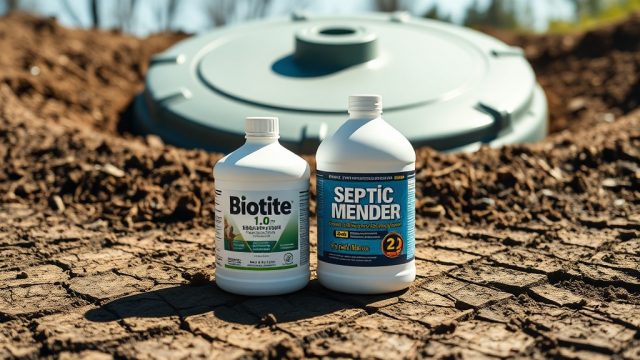
Biotite 1.0 is a concentrated biological additive designed to accelerate the breakdown of organic solids, reduce sludge buildup, and control odors in residential septic tanks. Unlike harsh chemical treatments, Biotite 1.0 uses a proprietary blend of facultative bacteria and enzymes that thrive in anaerobic conditions. For large families, where the tank receives up to 400 gallons of wastewater daily, Biotite 1.0 helps maintain a healthy bacterial population that can handle the extra load. Regular application reduces the risk of clogs, backups, and drainfield failure—common problems when a system is undersized or used heavily. For a detailed comparison with other top treatments, see our article on Biotite 1.0 vs Septic Armor: Which Septic Treatment Is More Effective?.
What Is the Correct Biotite 1.0 Dosage for a Family of 5 to 8 People?
The standard recommended dosage for a typical 1,000‑gallon tank is one 8‑ounce packet every month. However, for large families with 5 to 8 members, the tank often receives more solids and liquid volume. Based on manufacturer guidelines and field studies, the following dosage adjustments are advised:
- Family of 5–6: Use 1.5 packets (12 ounces) per month, applied in two equal split doses every two weeks.
- Family of 7–8: Use 2 packets (16 ounces) per month, split into weekly doses of 4 ounces.
- Households with a garbage disposal: Add an extra 4‑ounce dose each month to compensate for increased organic load.
These adjustments ensure that bacterial populations remain dense enough to digest waste before it accumulates. Splitting the monthly dose into smaller, frequent applications is especially beneficial for large families because it prevents bacterial die-off between treatments and keeps enzyme levels consistent. For a performance look at how Biotite 1.0 compares to odor eliminators, read our Biotite 1.0 vs Septic Scrubber: Which Septic Treatment Eliminates Odors Best?.
How Should You Apply Biotite 1.0 for Maximum Effectiveness in High-Use Tanks?
Application method matters as much as dosage. Follow this step‑by‑step protocol for large families:
- Flush the toilet first: This clears the pipe and provides initial water flow to disperse the additive.
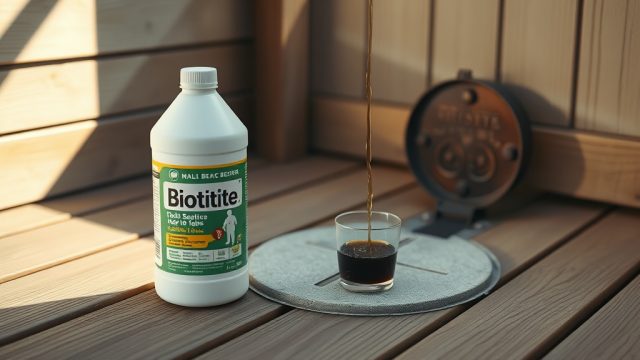
- Mix the powder: Pour the measured Biotite 1.0 powder into a bucket containing 2 gallons of warm water (not hot, as high heat can kill beneficial bacteria). Stir until fully dissolved.
- Pour down the toilet: Flush again after pouring to push the solution into the main tank and away from the inlet baffle.
- Avoid bleach and harsh cleaners for 24 hours: Chemical disinfectants can temporarily reduce bacterial activity. If heavy cleaning is necessary, wait two days after applying Biotite 1.0.
- Schedule applications on the same day each week: Consistency is key for maintaining stable bacterial colonies in high‑load systems.
Never pour the powder directly into the kitchen sink or garbage disposal—this can clog the drain line or kill bacteria before they reach the tank. For large families, using a toilet is the most direct route.
What Happens If You Use Too Little or Too Much Biotite 1.0?
Finding the sweet spot is critical. Using insufficient Biotite 1.0 for a large family leads to incomplete digestion of solids. The undersized bacterial population cannot keep up with daily waste production, causing sludge to accumulate faster. This increases the risk of:
- Clogged drainfields
- Foul odors from the tank or drains
- More frequent pumping needs (every 1–2 years instead of every 3–5)
- Solid carryover into the drainfield, potentially causing premature failure
On the flip side, using too much Biotite 1.0 rarely causes direct harm to the system, as the bacteria are naturally self‑limiting. However, over‑application may accelerate biological activity to the point where the tank’s scum layer becomes too thin, allowing some solids to float into the outlet baffle. In extreme cases, excessive bacteria can temporarily deplete oxygen in the tank, causing a short‑term odor spike. We recommend sticking to the dosage table below to avoid both issues.
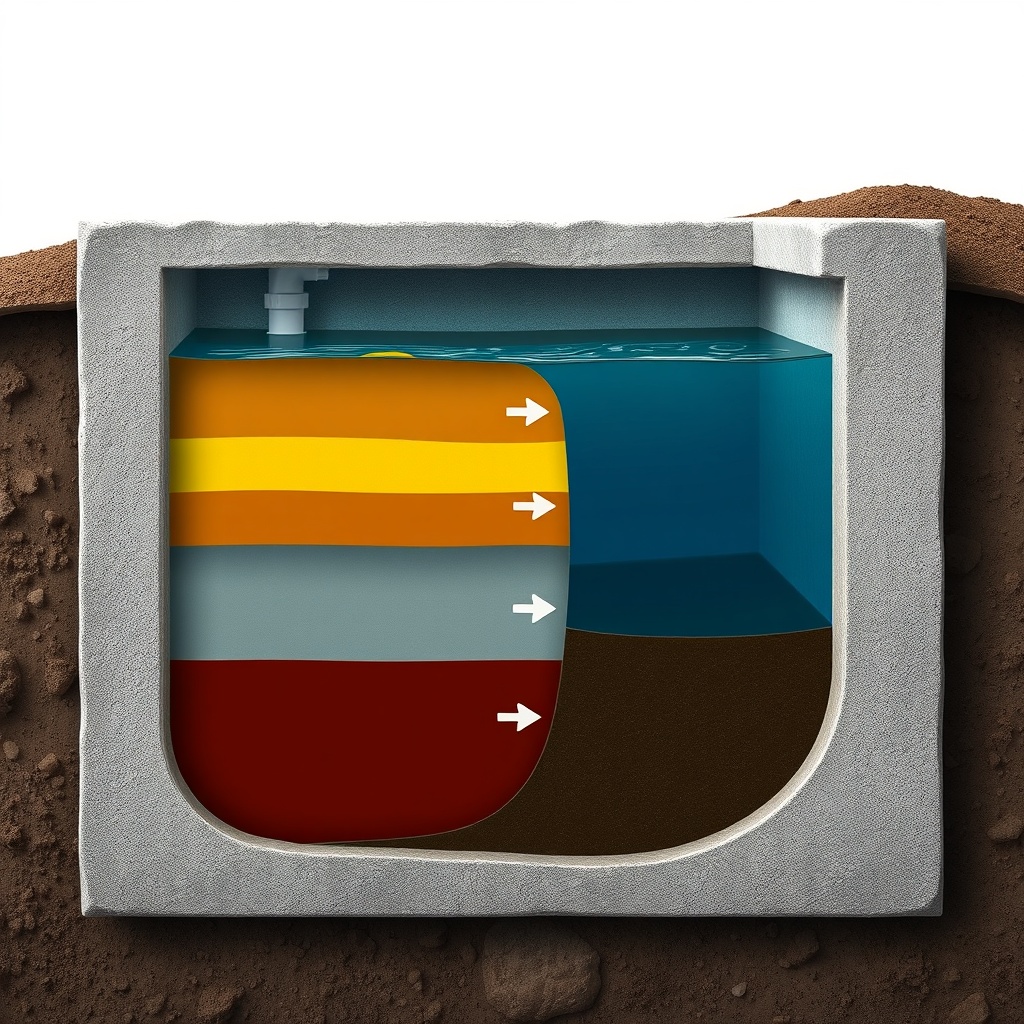
Biotite 1.0 Dosage Comparison Table for Large Families
| Household Size | Tank Size (gallons) | Monthly Dosage (ounces) | Application Frequency | Annual Cost (approx.) |
|---|---|---|---|---|
| 2–4 people (standard) | 1,000 | 8 | Once per month | $120 |
| 5–6 people | 1,000–1,250 | 12 | Every 2 weeks | $180 |
| 7–8 people | 1,250–1,500 | 16 | Weekly | $240 |
| 9+ people or heavy use | 1,500+ | 20 | Weekly (split 10+10 ounces) | $300 |
Costs are based on the average retail price of Biotite 1.0 at $15 per 8‑ounce packet. Prices may vary by region or retailer. For households with older drainfields, compare Biotite 1.0 with a restorative additive in our guide: Biotite 1.0 vs Septic Mender: Which Additive Saves Old Drainfields?.
How Does Biotite 1.0 Affect Pumping Frequency for Large Families?
One of the biggest benefits of proper dosing is extending the time between pumpings. For a typical family of 5–8 using Biotite 1.0 at the recommended dosage, the sludge and scum layers accumulate 30–50% slower than with no treatment. This translates to pumping intervals of 3–4 years for a 1,200‑gallon tank, compared to 1.5–2 years without additives. However, you must still adhere to regular inspection schedules. The sludge depth should be measured at least once a year by a professional. If the bottom of the scum layer is within 6 inches of the outlet baffle or the top of the sludge is within 12 inches, it’s time to pump regardless of treatment schedule.
For families using a garbage disposal, the pumping interval may be shorter by about six months. In that case, consider increasing the dosage by 4 ounces per month to compensate. To see how Biotite 1.0 stacks up against sludge‑reducing competitors, check out Biotite 1.0 vs Septic Cleaner: Which Reduces Sludge More?.
What Do Owners of Large Families Say About Biotite 1.0?
Homeowners with large households often report measurable improvements after switching to Biotite 1.0. Jennifer M. from Ohio, a mother of six, says: “We used to have our tank pumped every 18 months. After using Biotite 1.0 for a year with the 12‑ounce dose split every two weeks, we’re now on a three‑year cycle. No odors, no backups.” Kevin T. from Texas, with a family of seven, adds: “The biggest difference was the smell. Within two weeks of starting weekly doses, the sulfur smell from our backyard drains vanished. I’ve recommended it to three neighbors already.”
Negative feedback is rare but generally focuses on users who expected instant results. Biotite 1.0 works gradually—it takes 4–6 weeks for bacterial colonies to fully establish in a heavily used system. Owners who stick with the schedule and adjust dosage for family size see the best long‑term outcomes. For those with existing sludge problems, a combination of Biotite 1.0 and a professional pumping is often recommended.
Frequently Asked Questions
Q1: Can I mix Biotite 1.0 with other additives?
No. Mixing Biotite 1.0 with chemical additives, bleach, or other biological treatments can interfere with the bacterial balance. Stick to one product consistently for best results.
Q2: How soon after applying Biotite 1.0 can I use the washing machine?
You can use the washing machine immediately, but avoid pouring bleach or fabric softeners for 24 hours. Normal use without harsh chemicals is fine.
Q3: What if I forget to apply Biotite 1.0 for two weeks in a row?
Simply resume the normal schedule. The bacterial population will recover within a week. Do not double the dose to “catch up,” as this can temporarily overload the system.
Q4: Does Biotite 1.0 work in all types of septic tanks?
Yes, Biotite 1.0 is effective in concrete, fiberglass, and plastic tanks. It works in both gravity and pump systems, as long as the tank is not excessively chlorinated.
Q5: Is Biotite 1.0 safe for pipes and drainfields?
Absolutely. The bacteria are non‑corrosive and biodegradable. They digest organic solids only and do not damage PVC, cast iron, or clay pipes. Drainfield soil structure also benefits from reduced solid loading.
Q6: Can I use Biotite 1.0 if my septic system has an aerator?
Yes, but the dosage may need to be reduced by about 25% because aerobic systems already have high bacterial activity. Start with half the standard dose and monitor sludge levels for three months.