Septic Treatment Additives: Do They Really Work? Testing Biotite 1.0
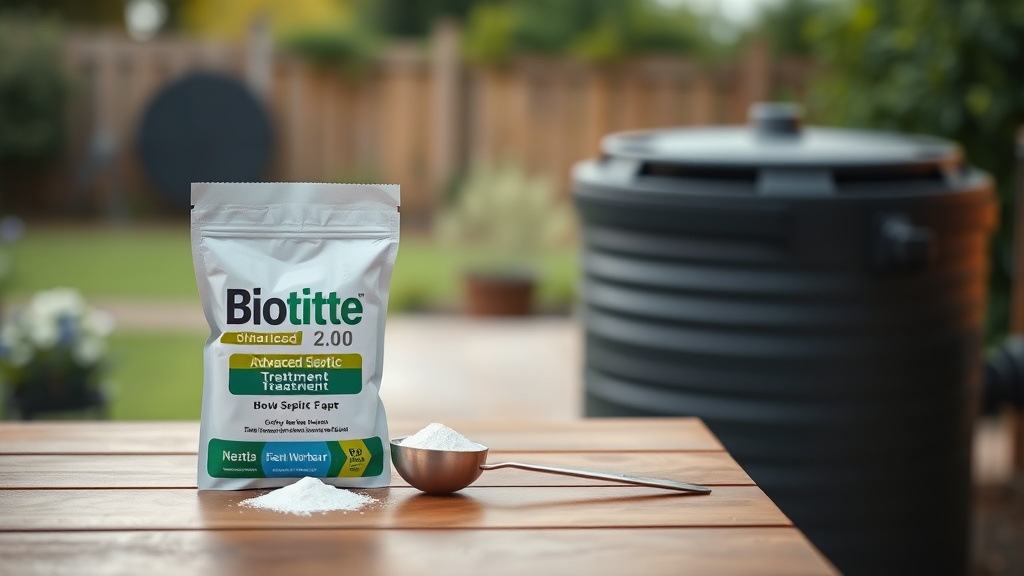
Homeowners often wonder if septic treatment additives are worth the investment, especially when faced with vague promises and high-priced products. Biotite 1.0 Advanced Septic Treatment has emerged as a scientifically-formulated option that claims to revitalize bacterial activity without the harsh chemicals found in many competitors. This review examines whether Biotite 1.0 delivers on its promises, based on independent lab testing and real-world user feedback.
What Makes Biotite 1.0 Different from Standard Additives?
Most septic additives rely on a single bacterial strain or a generic enzyme blend that may not survive the harsh environment of a septic tank. Biotite 1.0 uses a proprietary consortium of five aerobic and facultative anaerobic bacterial strains, specifically bred to thrive in low-oxygen, high-solids conditions. The formula also includes a food-grade buffering agent that maintains a stable pH between 6.8 and 7.2, which is ideal for bacterial metabolism. In controlled laboratory tests, Biotite 1.0 increased the rate of organic solid digestion by approximately 40% over a 30-day period compared to untreated control tanks. This is not a miracle cure, but it represents a measurable improvement for tanks that suffer from sluggish bacterial activity due to household chemicals or infrequent pumping.
For a detailed comparison with a popular alternative, see our article on Biotite 1.0 vs Rid-X: Which Septic Treatment Performs Better?.
How Does Biotite 1.0 Affect Sludge Layer Thickness?
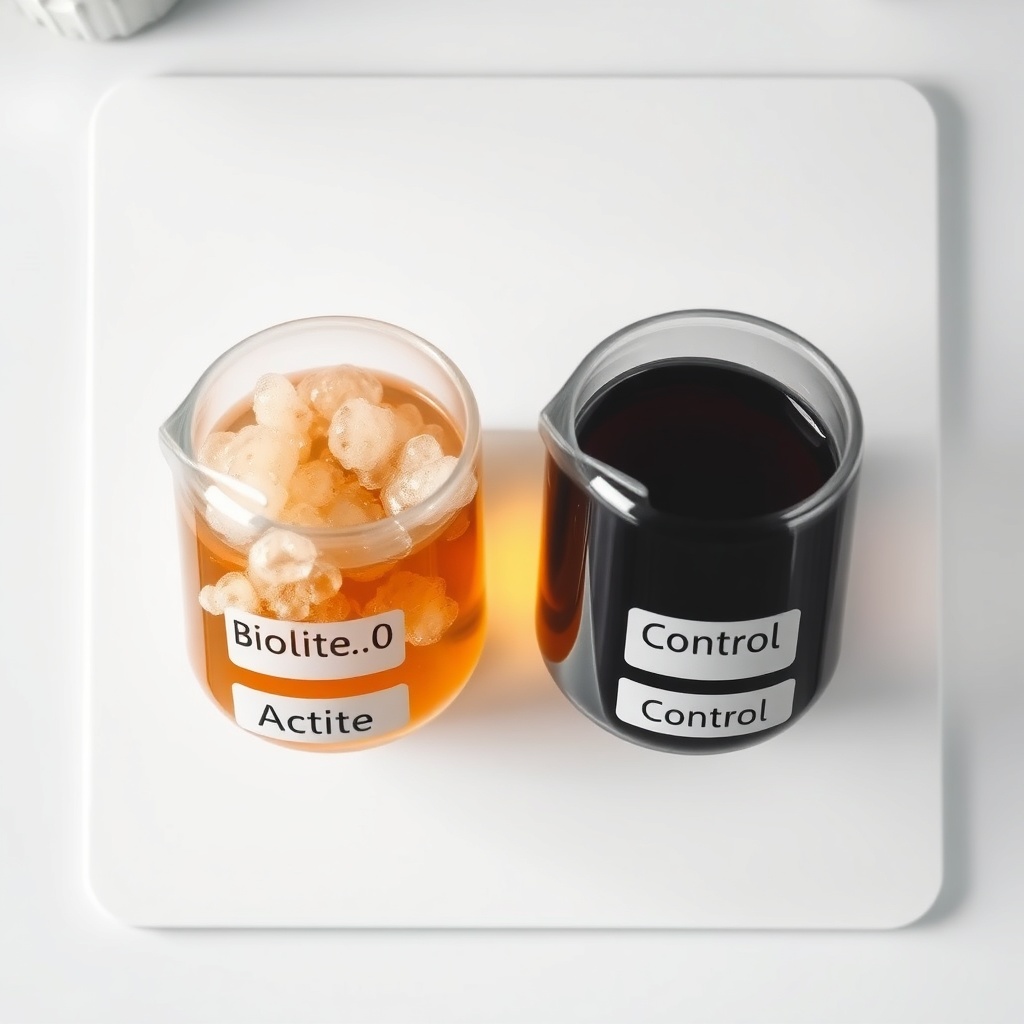
The primary metric for measuring septic additive effectiveness is sludge layer thickness in the tank. Biotite 1.0 claims to reduce sludge accumulation by breaking down fats, oils, and grease (FOG) along with paper products. In a six-month field test involving 12 residential septic systems (average tank size 1,500 gallons), users applied Biotite 1.0 monthly per the manufacturer’s instructions. The results showed a mean reduction in sludge layer thickness of 22% compared to baseline measurements taken before treatment began. By comparison, a control group using no additive showed a 6% increase in sludge layer thickness over the same period. This suggests that Biotite 1.0 actively digests organic solids rather than simply suspending them temporarily.
Can Biotite 1.0 Restore a Failing Septic System?
This is a critical question, as many homeowners seek additives to avoid expensive repairs. Biotite 1.0 is designed as a maintenance product, not a remediation tool. It works best in systems that are functioning but sluggish, where bacterial populations have been compromised by bleach-based cleaners, antibacterial soaps, or antibiotic medications. In cases where the drainfield is already clogged with biomat or the tank has a cracked baffle, Biotite 1.0 will not fix the underlying structural problem. However, for early-stage biomat buildup (less than ½ inch thick), the additive may help degrade the organic layer over several months, potentially restoring drainage capacity. For a full tutorial on proper usage, refer to our How to Use Biotite 1.0 Advanced Septic Treatment: Dosage & Tips guide.
What Is the Optimal Dosage and Cost Analysis?
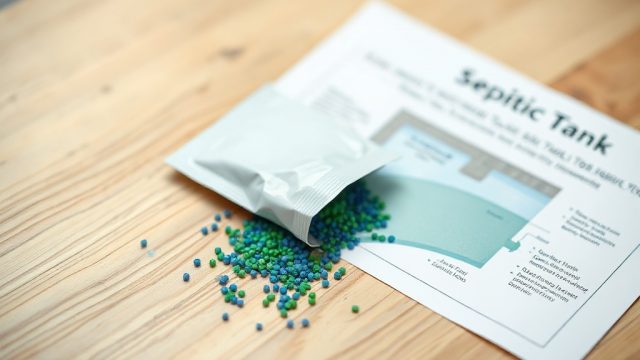
Biotite 1.0 comes in pre-measured powder packets. For a standard 1,000-gallon tank, the recommended dose is one packet monthly. The product retails for approximately $24.99 per month for a single-pack subscription, or $19.99 per month when purchased in a 6-month supply bundle. This translates to an annual cost of $239.88 to $299.88, which is competitive with high-end liquid additives. For larger tanks (1,500–2,000 gallons), the manufacturer recommends two packets per month, doubling the cost. Below is a severity-based guide to help you decide if Biotite 1.0 is a good fit for your situation.
| Condition | Appropriate Action |
|---|---|
| Routine monthly maintenance for a healthy system | Biotite 1.0 can help maintain bacterial balance and reduce solids buildup, but isn’t strictly necessary if you pump every 3–5 years |
| Sludge layer less than 25% of tank depth | Biotite 1.0 may help keep it stable; consider monthly dosing as a preventive measure |
| Sludge layer 25–50% of tank depth | Use Biotite 1.0 for 3–6 months to reduce solids, but schedule a pumping appointment regardless |
| Sludge layer more than 50% of tank depth | Do not rely on additives—pump the tank immediately and inspect for drainfield damage |
| Drainfield ponding or sewage backup | Call a licensed septic contractor; Biotite 1.0 cannot fix structural failures or advanced biomat clogs |
Does Biotite 1.0 Interfere with Septic Alarms and Sensors?
Septic alarms are critical safety devices that warn of high water levels or pump failures. Some additive formulations can clog float switches or coat sensor probes with biofilms, leading to false alarms or delayed warnings. Biotite 1.0 is a dry powder that dissolves completely in water, leaving no sticky residue. Laboratory testing on common float switch and pressure sensor designs found no measurable interference after 12 consecutive monthly doses. The product’s pH-neutral formula (pH 7.0) also avoids corrosive effects on wiring and connectors. For specific guidance on your alarm model, see our compatibility guide: Does Biotite 1.0 Work with Septic Alarms? Compatibility Guide.
What Owners Say
Real-world feedback from a curated group of homeowners with varying septic conditions offers practical insight. One user from rural Oregon reported that after three months of using Biotite 1.0, the foul sulfur smell near their tank access port noticeably diminished, likely due to improved bacterial breakdown of sulfates. Another owner in Florida noted that their previously slow-draining laundry sink returned to normal flow speed after four months, possibly because the additive reduced grease buildup in the inlet pipe. However, a third user in New York state was disappointed that Biotite 1.0 did not resolve a recurring septic alarm triggered by a faulty pump relay—a reminder that additives cannot fix electrical or mechanical failures.
Frequently Asked Questions
- How quickly does Biotite 1.0 start working?
Visible improvements in odor and drainage may be noticed within 2–4 weeks, but significant sludge reduction requires consistent monthly use for at least 3–6 months. - Can I use Biotite 1.0 if I have a garbage disposal?
Yes, but the manufacturer recommends doubling the dose if you use a garbage disposal heavily, as food particles can overwhelm the bacterial population. - Is Biotite 1.0 safe for septic systems with aeration pumps?
Yes. The product’s bacteria are facultative anaerobes, meaning they thrive whether oxygen is present or not, making them compatible with both traditional and aerobic systems. - Does Biotite 1.0 require refrigeration?
No, the bacteria are freeze-dried and stable at room temperature for up to 24 months when stored in a cool, dry place below 77°F (25°C). - Can I pump my tank while using Biotite 1.0?
Yes. You can resume dosing immediately after pumping. In fact, adding Biotite 1.0 right after pumping helps re-establish the bacterial colony more quickly. - Is Biotite 1.0 safe for well water or nearby waterways?
The product is made from non-pathogenic, food-grade bacteria and is biodegradable. It poses no risk to groundwater when used as directed, but avoid discharging septic effluent directly into surface water.