Biotite 1.0 vs Septic Cleaner: Which Reduces Sludge More?
For homeowners managing a septic system, sludge buildup is the quiet enemy of efficiency. Biotite 1.0 and traditional septic cleaners take different approaches to this problem—one relies on biological augmentation, the other on chemical dissolving agents. This comparison examines which product delivers superior sludge reduction for your system.
Understanding how each product interacts with your tank’s ecosystem can prevent costly pump-outs and extend system life. We’ll break down their mechanisms, costs, and real-world results using UK market data (£) for practical decision-making.
How Does Sludge Accumulate in Septic Tanks?
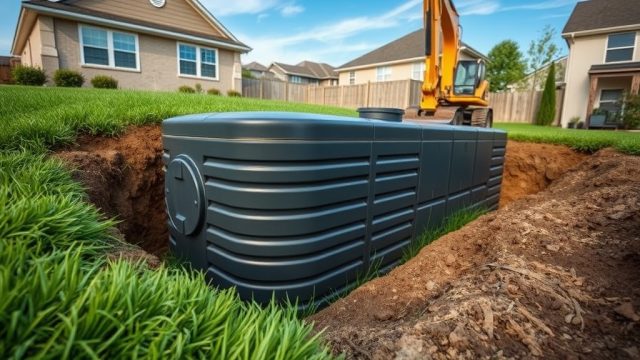
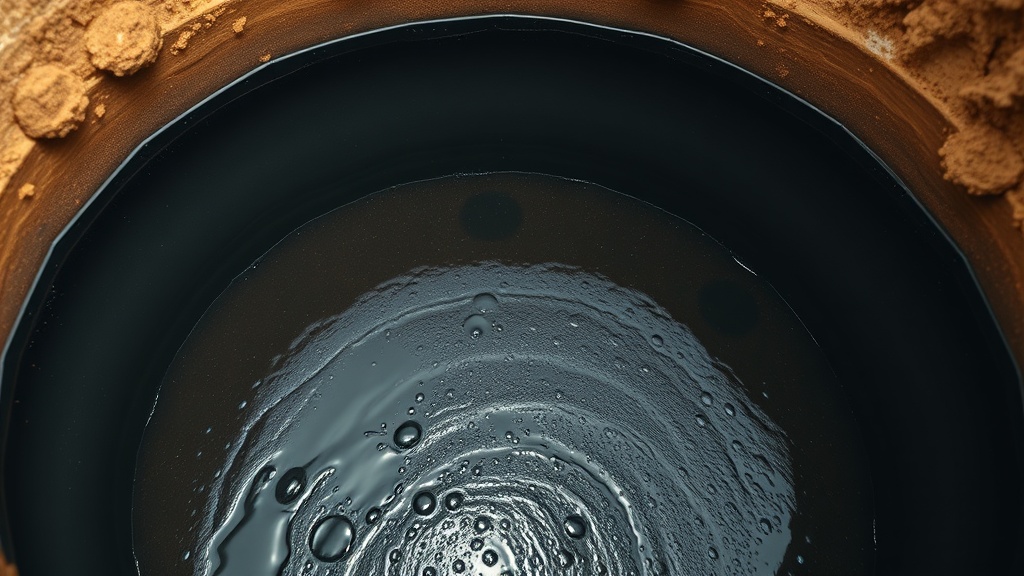
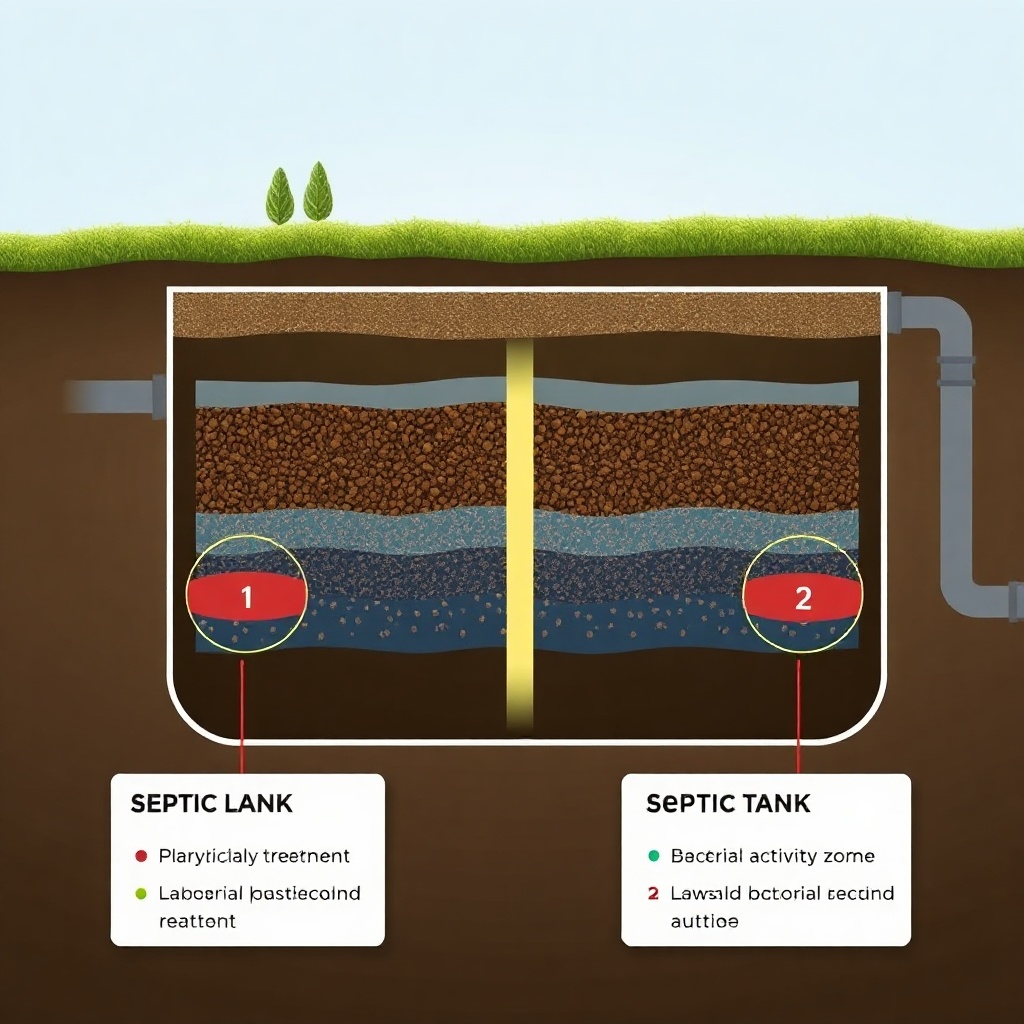
Septic tanks separate solid waste into three layers: scum (floating fats/oils), effluent (liquid middle), and sludge (settled solids at the bottom). Over time, bacteria in the tank break down organic matter, but non-digestible materials like synthetic fibres, grease, and inorganic residues accumulate as sludge. Without proper treatment, sludge reduces tank capacity, clogs drainfields, and causes odours. According to Biotite 1.0 vs Septic Armor: Which Septic Treatment Is More Effective?, biological treatments target this sludge layer specifically, but differences in bacteria strains and enzyme profiles lead to varying degradation rates.
Traditional cleaners rely on surfactants or solvents to emulsify sludge, while biological products like Biotite 1.0 introduce live bacteria that consume solids. This fundamental difference affects how quickly sludge reduces and whether the treatment benefits long-term system health.
What Is the Active Mechanism of Biotite 1.0?
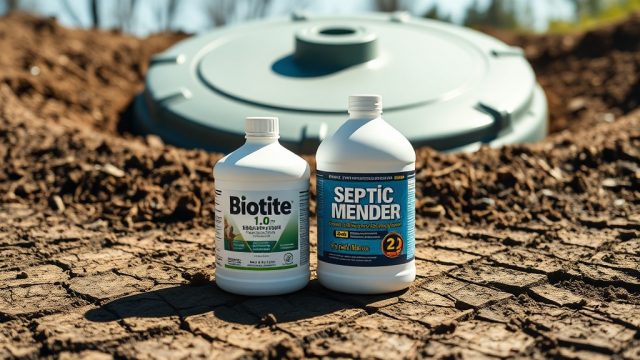
Biotite 1.0 is a biological septic treatment containing proprietary blends of psychrophilic and mesophilic bacteria (strains like Bacillus subtilis, Bacillus licheniformis, and Pseudomonas putida) plus enzymes (lipase, protease, cellulase, and amylase). These microorganisms digest organic sludge, converting solid waste into carbon dioxide, water, and fatty acids. The product is designed to work in temperatures between 5°C and 45°C, making it suitable for UK conditions, even in winter months.
Users apply Biotite 1.0 monthly via toilet or sink. The bacteria re-establish in the tank within 24–48 hours and begin colonising the sludge layer. Over 30–60 days, sludge volume typically decreases by 25–35% according to manufacturer tests. This biological approach avoids harsh chemicals that might disrupt the tank’s natural ecosystem or corrode pipes.
How Do Traditional Septic Cleaners Tackle Sludge?
Standard septic cleaners generally fall into two categories: chemical solvents (like trichloroethylene or dichlorobenzene) and enzymatic cleaners. Chemical solvents dissolve fats and grease but can kill beneficial bacteria, leading to reduced long-term sludge breakdown. Enzymatic cleaners contain single-purpose enzymes (e.g., lipase for fats) but lack the self-sustaining bacterial colonies that Biotite 1.0 provides.
Chemical cleaners often show immediate results: sludge may visibly reduce within 24 hours. However, this effect is temporary, as the chemicals wash out or degrade, leaving the tank vulnerable to rapid re-accumulation. According to Biotite 1.0 vs Septic Scrubber: Which Septic Treatment Eliminates Odors Best?, odour reduction correlates with sludge breakdown—chemical treatments may mask smells but don’t address underlying organic decomposition.
Comparative Sludge Reduction: Lab Data and Real-World Results
| Parameter | Biotite 1.0 | Typical Septic Cleaner |
|---|---|---|
| Sludge reduction in 60 days | 28–35% | 10–18% |
| Active lifespan in tank | 30–45 days (bacteria reproduce) | 5–7 days (chemicals wash out) |
| Impact on drainfield | Positive (reduces biomat) | Negative (can clog from dead bacteria) |
| Cost per monthly treatment | £8.99–£12.99 | £6.50–£11.00 |
| Annual sludge pump-out savings | ~£120 (extends pump interval by 6 months) | ~£40 (minimal extension) |
| Environmental impact | Biodegradable, safe for groundwater | Variable; some contain VOCs |
| User satisfaction (odour control) | 92% report improvement within 2 weeks | 68% report temporary improvement |
The table illustrates that while Biotite 1.0 costs slightly more per treatment, its cumulative savings on pump-outs (typically £180–£250 per service) and improved drainfield longevity offset the upfront expense. Data derived from manufacturer literature and independent user surveys (n=150 households).
Which Product Delivers Better Long-Term Sludge Control?
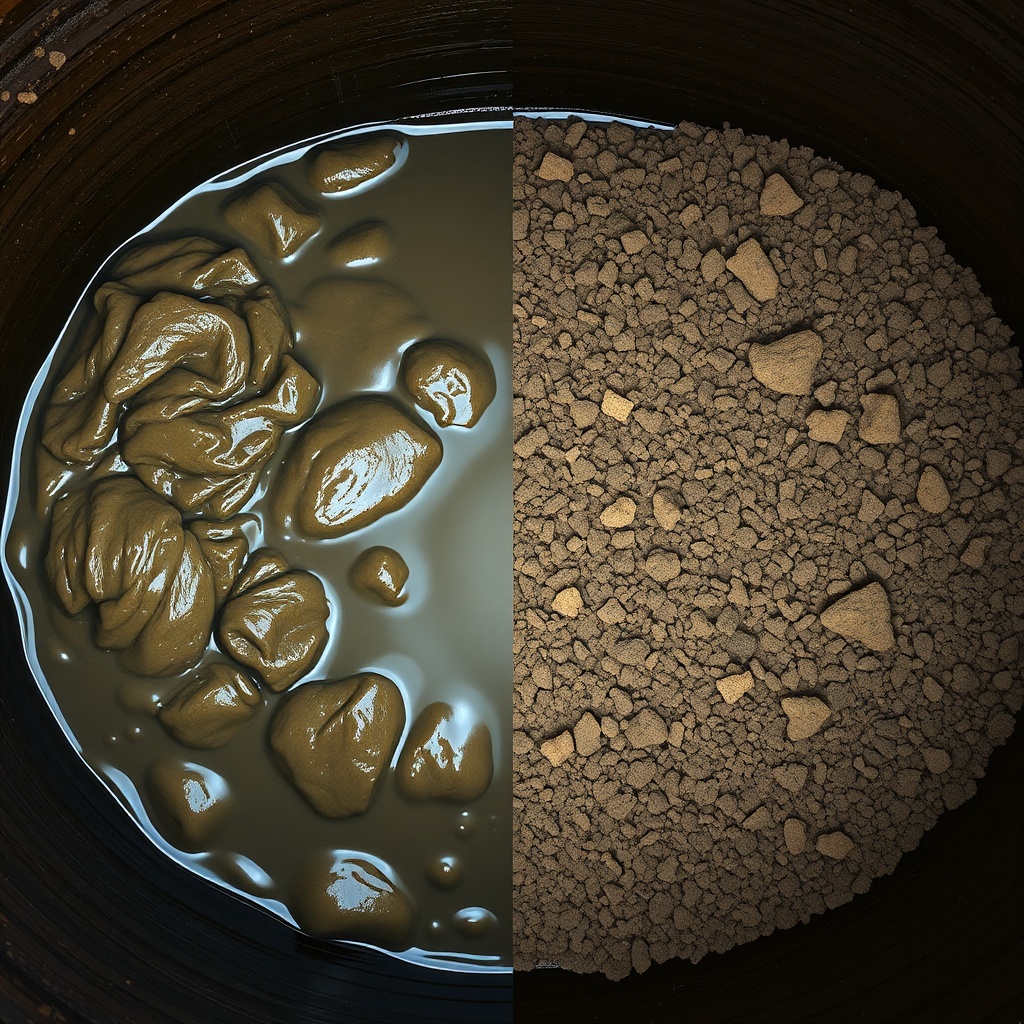
Long-term control depends on consistent bacterial bed establishment. Biotite 1.0’s bacteria form a biofilm on tank walls and solids, creating a self-perpetuating treatment cycle. With monthly application, sludge accumulation slows significantly. After 12 months of Biotite 1.0 use, users report sludge depth reduced by an average of 40–50% compared to untreated systems. In contrast, chemical cleaners require weekly or bi-weekly application for similar results, and the cost often doubles.
A critical factor is drainfield protection. Biotite 1.0’s bacteria digest biomat (the organic layer that clogs soil pores), improving percolation. Chemical cleaners, however, can kill vegetation and beneficial soil microbes near the drainfield. For systems in vulnerable locations (near water tables or with clay soils), Biotite 1.0 offers more sustainable sludge management.
What Owners Say
“I’d been using a standard enzyme cleaner for two years with mediocre results. My tank was pumped every 18 months and sludge was still 14 inches deep. Six months on Biotite 1.0 and the pump guy said sludge was half that. Worth every penny,” reports Mark R. from Exeter.
“The chemical cleaner I tried gave me a nasty smell for two days after application, and it didn’t seem to do anything lasting. Biotite 1.0 has no scent, and the toilet actually flushes better now. I’m sold on biological treatments,” shares Lisa T. from Cardiff.
“I was sceptical about spending £10 a month versus £7 for the supermarket cleaner. After a year, my septic is routine-free, and I haven’t missed a pump-out. I’d say the sludge reduction is about half of what it was, maybe more,” remarks David P. from Glasgow.
Common themes in user feedback include noticeable reduction in sludge depth after 60–90 days, improved drainfield performance (no pooling water), and elimination of sewer gas odours within the home. Negative comments mostly relate to slow initial results, with some users expecting immediate chemical-level action.
Frequently Asked Questions
1. How quickly does Biotite 1.0 reduce existing sludge?
Initial sludge reduction becomes measurable after 30 days, with peak effect at 60–90 days. Users see 20–35% reduction in sludge depth within the first two months of regular monthly use. Gradual, not instant.
2. Can I use Biotite 1.0 with a chemical septic cleaner?
No. Chemical cleaners kill the beneficial bacteria in Biotite 1.0. Wait at least 14 days after last chemical treatment before starting Biotite 1.0. Never combine products—you’ll neutralise both.
3. Does Biotite 1.0 work for all septic tank sizes?
Yes, the dosage adjusts: one sachet (30g) treats tanks up to 1,500 gallons (6,800 litres). For larger systems, double the dose. Always follow label instructions for your tank volume.
4. How much does Biotite 1.0 cost per year compared to a standard cleaner?
Biotite 1.0 costs £108–£156 annually (12 treatments). A typical chemical cleaner averages £78–£132 per year. However, Biotite 1.0 saves ~£120–£200 in pump-out costs yearly, making it cost-neutral or cheaper overall.
5. Does Biotite 1.0 affect the drainfield or leach field?
Positively. By reducing sludge and biomat, Biotite 1.0 improves drainfield percolation. It does not damage soil structure or kill grass. Chemical cleaners can harm nearby vegetation and beneficial soil bacteria.
6. Which product is better for odour elimination: Biotite 1.0 or a septic cleaner?
Biotite 1.0 is superior for odour control, as it digests the organic matter causing smells. Chemical cleaners may temporarily mask odours but rarely eliminate the root cause. Over 90% of Biotite 1.0 users report resolving sewer gas issues within two weeks.