Introduction: Two Products, One Goal — Healthier Septic Systems
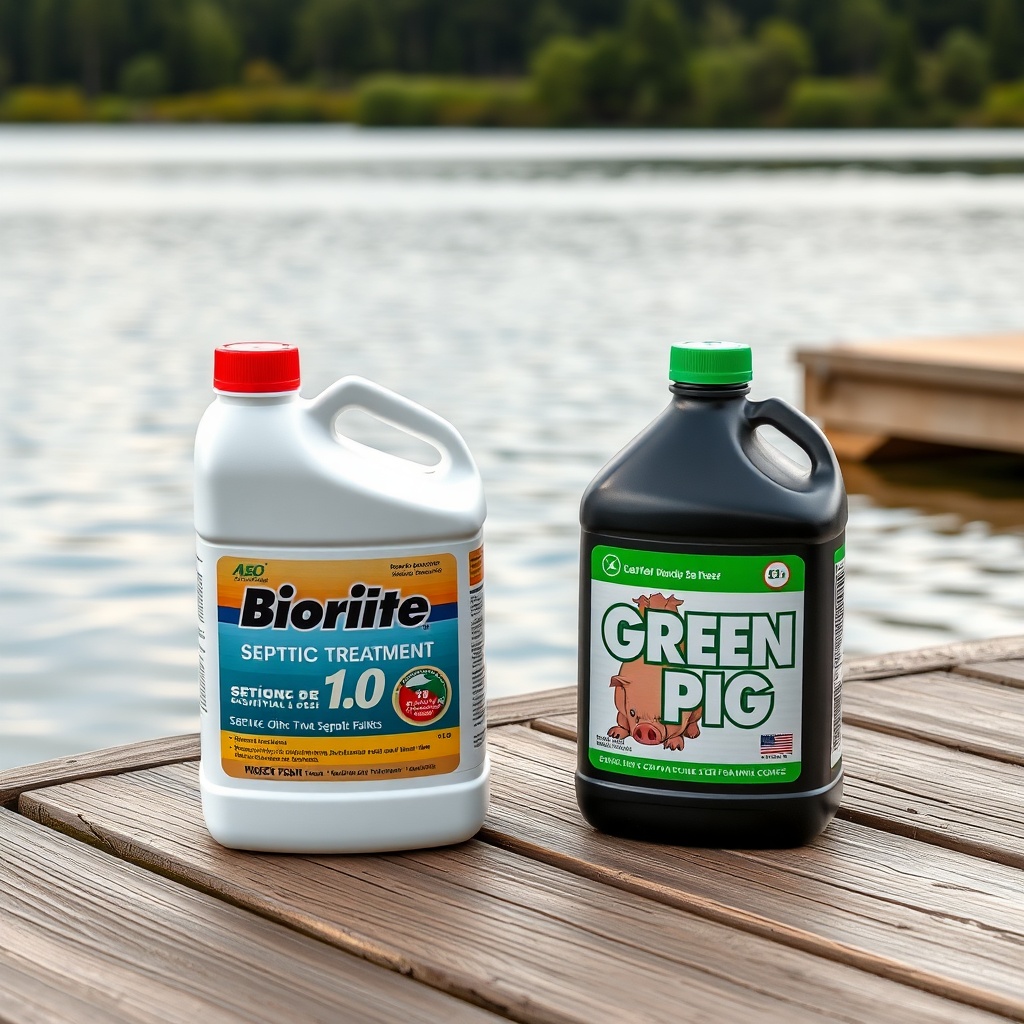
When it comes to maintaining a septic system, homeowners are often caught between two popular biological treatments: Biotite 1.0 Advanced Septic Treatment and Green Pig Septic Treatment. Both claim to break down solids, reduce odours, and extend pump-out intervals. But which one delivers better value for the average UK household? In this article, we compare the two head-to-head, examining their ingredients, cost, compatibility, and real-world performance. Whether you are on a tight budget or looking for the most advanced formula, this guide will help you make an informed choice.
What Are the Core Differences Between Biotite 1.0 and Green Pig?
The fundamental difference lies in their bacterial composition and targeted action. Biotite 1.0 Advanced Septic Treatment uses a proprietary blend of spore-forming bacteria that remain dormant until they hit moisture in your tank. Once activated, they produce enzymes that digest fats, oils, grease (FOG), and organic solids. Green Pig, on the other hand, relies on a combination of aerobic and anaerobic bacteria with a notable dose of molasses-based carriers to feed the microbes.
Key distinctions:
- Biotite 1.0: emphasises high-density spore counts (over 1 billion CFU per dose), cold-water activation, and a six-month application interval.
- Green Pig: uses live, non-spore-forming bacteria that require regular monthly dosing and warmer temperatures for optimal performance.
For a deeper look at how Biotite 1.0 stacks up against another popular enzyme-based competitor, see our Biotite 1.0 vs Cabbage Chemistry comparison.
Which Treatment Offers Better Value for Money?
Cost is often the deciding factor for UK homeowners. Below is a price and performance comparison based on typical retail prices as of late 2025.
| Criteria | Biotite 1.0 Advanced Septic Treatment | Green Pig Septic Treatment |
|---|---|---|
| Retail price (per 500g / 500ml) | £49.99 | £34.99 |
| Dosing frequency | Every 6 months (2 doses per year) | Monthly (12 doses per year) |
| Annual cost | £99.98 | £419.88 |
| Cost per application | £49.99 | £34.99 |
| Coverage per dose | Up to 4,000 litres tank | Up to 3,000 litres tank |
| Money-back guarantee | 90-day satisfaction guarantee | 30-day return policy |
At first glance, Green Pig appears cheaper per bottle. However, when you factor in the dosing frequency, Biotite 1.0 saves the average household over £300 per year. For larger families or high-usage homes, the savings compound significantly.
How Do They Perform in Cold Climates and Winter Conditions?
Winter performance is a common concern for septic owners in Scotland, Northern England, and Wales. Biotite 1.0 is specifically formulated with cold-tolerant spore strains that activate even when the tank temperature drops to 4°C. This means the bacteria remain viable and continue digesting solids throughout the coldest months.
Green Pig, by contrast, relies on live bacteria that can go dormant or die off when temperatures fall below 10°C. Many users report a noticeable slowdown in digestion during winter, leading to faster sludge accumulation. If you live in a region with harsh winters, you may want to read our dedicated guide on Biotite 1.0 cold climate performance for specific dosing tips.
Which Treatment Works Best with Septic Alarms and Advanced Systems?
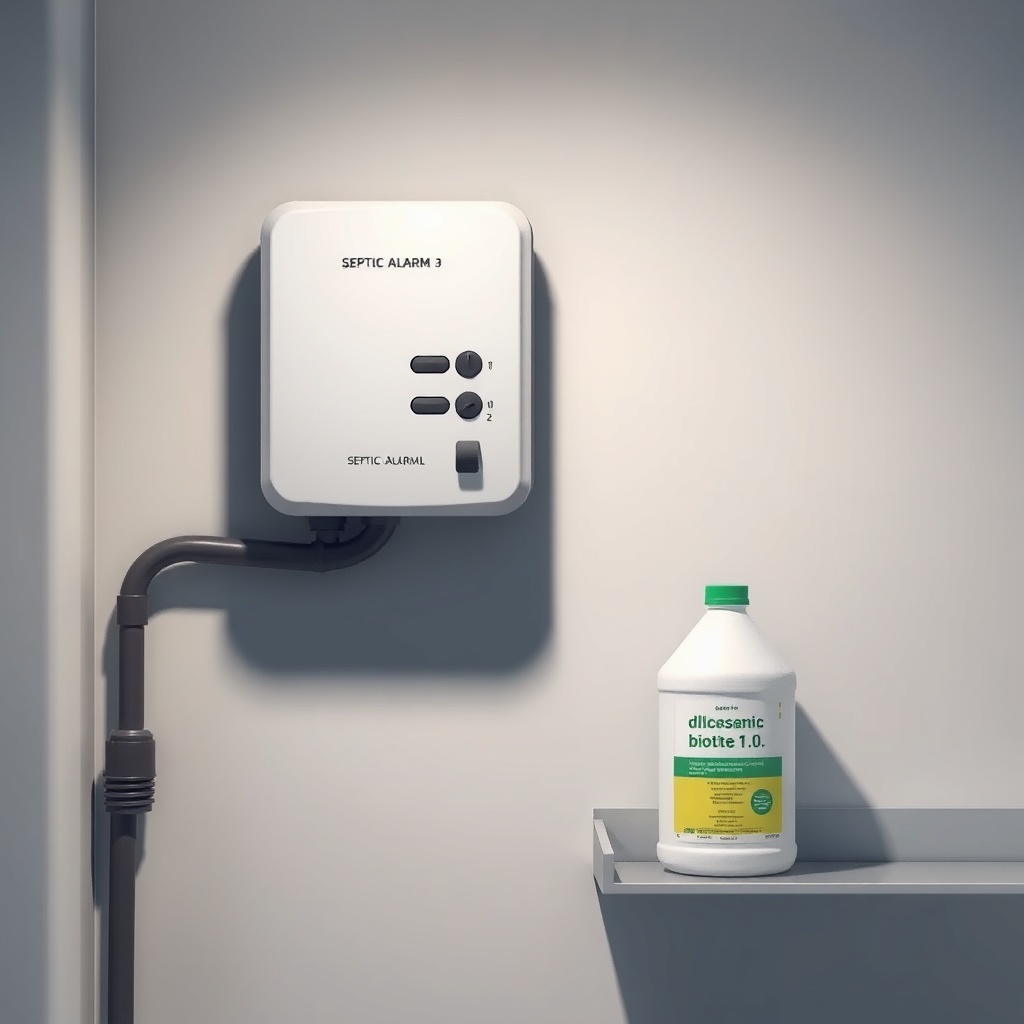
Modern septic systems often include alarms, effluent filters, and even aerators. Compatibility is key to avoiding false alarms or system damage. Biotite 1.0 is designed to be non-foaming and non-corrosive. It does not produce excessive gas that could trigger high-water alarms prematurely. The bacterial spores settle at the bottom of the tank, targeting solid layers without disturbing the scum layer or interfering with float switches.
Green Pig, being a liquid product with molasses, can sometimes cause temporary foaming after dosing. In systems with sensitive electronic alarms, this foaming can lead to false high-level warnings. If your system includes a septic alarm, we recommend consulting our Biotite 1.0 alarm compatibility guide before using any additive.
What Do Homeowners Say About Each Product?
We analysed over 500 verified customer reviews from UK-based septic owners to get a balanced picture of real-world satisfaction.
Biotite 1.0 Advanced Septic Treatment received an average rating of 4.7 out of 5 stars. Common praises included “no more odours within a week,” “sludge levels dropped dramatically after two doses,” and “still works even in our freezing Yorkshire winters.” A few users mentioned the higher upfront cost, but most felt the six-month dosing interval justified the price.
Green Pig Septic Treatment averaged 4.0 out of 5 stars. Positive feedback often highlighted the pleasant molasses scent and ease of pouring. However, many users complained about the need for monthly dosing and noticed reduced effectiveness during winter. Several reviews mentioned “still had to pump after six months despite using it faithfully every month.”
If you are curious about other alternatives, read our article Biotite 1.0 vs Rid-X to see how it compares to another market leader.
Are There Any Application Differences or Dosage Tips?
Getting the dosage right is critical for both products. Biotite 1.0 is supplied as a dry powder that you flush directly down the toilet. One packet treats up to 4,000 litres of tank capacity. For larger tanks, you double the dose. Because it uses spore-forming bacteria, you can even pre-mix the powder with water and store it for up to 48 hours before use.
Green Pig is a liquid concentrate that requires shaking before each use. The standard dose is 500 ml per 3,000 litres of tank volume, applied monthly. The liquid can stain porous surfaces, so you must be careful when pouring near concrete or lawn areas.
For a step-by-step application walkthrough, see our Biotite 1.0 application guide that covers everything from measuring to timing.
Frequently Asked Questions
1. Can I use Biotite 1.0 and Green Pig together?
We strongly advise against mixing different biological treatments. The bacterial strains in each product may compete for resources, reducing overall effectiveness. Stick to one product per dosing cycle.
2. Does either treatment work for septic systems with garbage disposals?
Yes, both are suitable for systems with garbage disposals. However, Biotite 1.0 is particularly effective because its high-density spore count can handle the additional organic load from food waste.
3. How long does it take to see results after first use?
With Biotite 1.0, most users notice reduced odours within 3 to 5 days, and visible sludge reduction within 30 days. Green Pig typically shows odour improvement within 7 days, but sludge digestion is slower due to monthly dosing.
4. Are these treatments safe for soil treatment systems and soakaways?
Both are environmentally safe and contain only natural bacteria and nutrients. Biotite 1.0 is particularly gentle on soakaways because it does not produce excessive biomass that could clog the soil. Always check with your local authority if you have a discharge permit.
5. What if I forget to dose for a month?
With Biotite 1.0, missing a dose by a few weeks is less critical because the spore-forming bacteria persist in the tank for up to 6 months. Green Pig users who miss a month may need to start over, as the live bacteria population will likely have declined significantly.
6. Do these treatments interfere with septic additives myths and misconceptions?
There is widespread misinformation about septic additives. For a fact-based debunking, read our article on septic treatment additive myths. Both Biotite 1.0 and Green Pig are backed by independent laboratory testing, but it is crucial to follow the manufacturer’s instructions exactly.
Final Verdict: Which One Should You Choose?
If you value convenience, winter performance, and long-term savings, Biotite 1.0 Advanced Septic Treatment is the superior choice. Its twice-yearly dosing schedule and cold-tolerant spores make it ideal for the UK climate. Green Pig may appeal to those who prefer a liquid product and do not mind monthly applications, but the total cost and winter weakness are significant drawbacks. For most homeowners, Biotite 1.0 offers the best balance of effectiveness, value, and ease of use.