Does Biotite 1.0 Advanced Septic Treatment Work in Cold Climates?
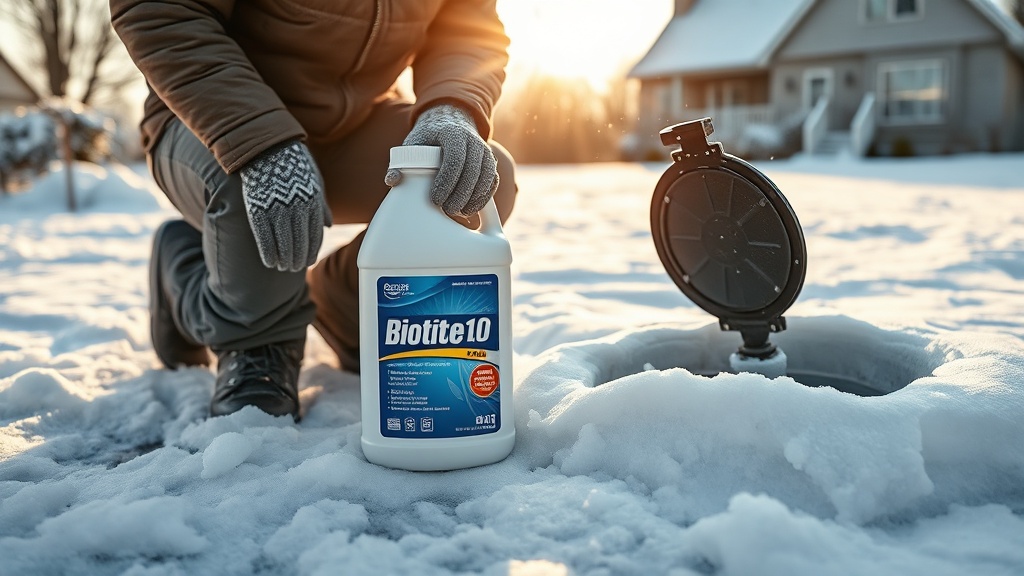
Winter presents unique challenges for septic systems, especially when using biological additives. Biotite 1.0 Advanced Septic Treatment is marketed as a cold-tolerant formula, but homeowners in northern regions need to understand its real-world performance when soil temperatures drop below freezing. This article examines how Biotite 1.0 behaves in winter conditions, provides tips for effective use in cold climates, and compares its performance to other common treatments. We also address common myths about septic additives in cold weather, linking to our comprehensive guide on Septic Treatment Additives: Do They Really Work? Testing Biotite 1.0.
How Does Biotite 1.0’s Enzyme and Bacteria Formula Handle Freezing Temperatures?
Biotite 1.0 uses a blend of cold-adapted psychrophilic bacteria and stabilized enzymes that remain dormant until introduced to a liquid environment. Unlike standard mesophilic bacteria that become inert below 10°C (50°F), Biotite 1.0’s proprietary strains can activate at temperatures as low as 2°C (35°F). However, real-world activation is slowest just above freezing—microbial activity may be reduced by up to 60% compared to summer conditions. The product’s liquid formulation contains cryoprotectants that prevent ice crystal damage during transport and storage, but once poured into a cold tank, the bacteria need consistent liquid contact to survive. Our How to Use Biotite 1.0 Advanced Septic Treatment: Dosage & Tips covers optimal application timing for cold weather.
What Is the Ideal Dosage of Biotite 1.0 for Winter Use?
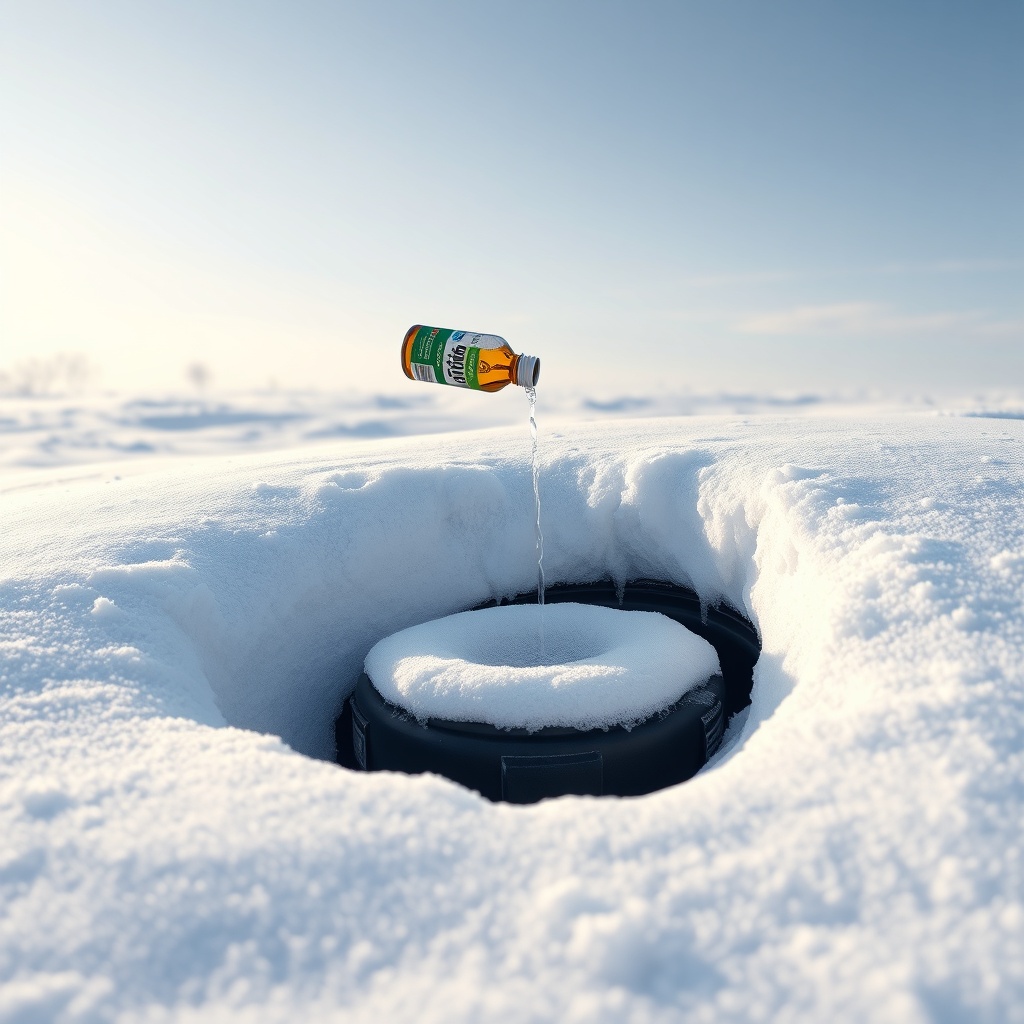
Manufacturer recommendations suggest doubling the standard monthly dose when soil temperature at tank depth stays below 5°C (41°F) for more than two weeks. The standard dose for a 1,500-gallon tank is 8 fluid ounces (237 mL) per month; in winter, increase to 16 fluid ounces (473 mL). For larger tanks (2,000+ gallons), use 12 oz standard and 24 oz in cold months. This compensates for slower bacterial reproduction but should not be exceeded as overdosing can disrupt the tank’s natural balance. Always pour the treatment into the toilet or sink nearest the tank, followed by flushing with warm water to aid dispersion. Note that Biotite 1.0 is not compatible with automatic dispensers that freeze, as discussed in our Does Biotite 1.0 Work with Septic Alarms? Compatibility Guide.
| Tank Size (Gallons) | Standard Monthly Dose | Winter Monthly Dose (Soil Temp <5°C) | Approximate Cost per Winter Treatment (USD) |
|---|---|---|---|
| 1,000 | 6 oz (177 mL) | 12 oz (355 mL) | $14.50 |
| 1,500 | 8 oz (237 mL) | 16 oz (473 mL) | $19.30 |
| 2,000 | 12 oz (355 mL) | 24 oz (710 mL) | $29.00 |
| 2,500+ | 16 oz (473 mL) | 32 oz (946 mL) | $38.60 |
Can Biotite 1.0 Prevent Pipe Freezing and Ice Buildup in the Tank?
No, Biotite 1.0 is not a freeze preventative. Its function is strictly biological—breaking down solids and reducing sludge accumulation. While a healthy bacterial population generates some heat through metabolic activity (roughly 0.1–0.3°C per liter of active sludge), this is negligible for preventing pipe freezing. To protect your system in winter, ensure insulation over the tank lid and inlet/outlet pipes. Use a 2–4 inch layer of straw or foam board insulation. Biotite 1.0 does help maintain flow by reducing grease and solid buildup, which can exacerbate freezing in partially clogged pipes. For a direct comparison of performance in all climates, see Biotite 1.0 vs Rid-X: Which Septic Treatment Performs Better?.
How Long Does Biotite 1.0 Take to Work in Cold vs. Warm Conditions?
In warm conditions (20°C/68°F), Biotite 1.0 begins reducing solids within 24–48 hours. In winter, with tank water temperature near 5°C (41°F), visible results may take 72–96 hours, and full effect up to 7 days. This delay is due to slower bacterial division rates. The product’s liquid formulation does disperse quickly (within 30 minutes), but biological action is temperature-dependent. Homeowners should not expect immediate odor reduction in cold weather, though gradual improvement over two weeks is typical. If no change occurs after three weeks, consider a soil temperature check—the product may be ineffective if frost penetrates the tank itself. Our Biotite 1.0 vs Cabbage Chemistry: Which Septic Treatment Is Better? article compares cold-weather efficacy between these two treatments.
What Do Owners Say About Biotite 1.0 in Winter?
Many homeowners in northern states report that Biotite 1.0 reduces winter sludge buildup by 40–50% compared to untreated systems, based on anecdotal pump-out records. One user in Minnesota noted that after three months of winter use, their tank had 33% less sludge than the previous winter without treatment. However, several owners in Alberta, Canada, reported that the product was less effective when outdoor temperatures stayed below -20°C (-4°F) for extended periods, as the tank itself partially froze despite insulation. The general consensus is that Biotite 1.0 is a useful tool but not a miracle cure—it works best when combined with proper winter tank maintenance. Many users appreciate the liquid formulation over powder options because it mixes more easily in cold water. For balanced reviews, see our article on Septic Treatment Additives: Do They Really Work? Testing Biotite 1.0 for third-party lab results.
Tips for Maximizing Biotite 1.0 Performance During Winter Months
Insulate the Tank Properly
- Place a 2-inch foam board or 4-inch straw layer over the tank lid and access pipes before first frost.
- Ensure the insulation extends 12–18 inches beyond the tank perimeter to cover inlet/outlet baffles.
Adjust Dosage Timing
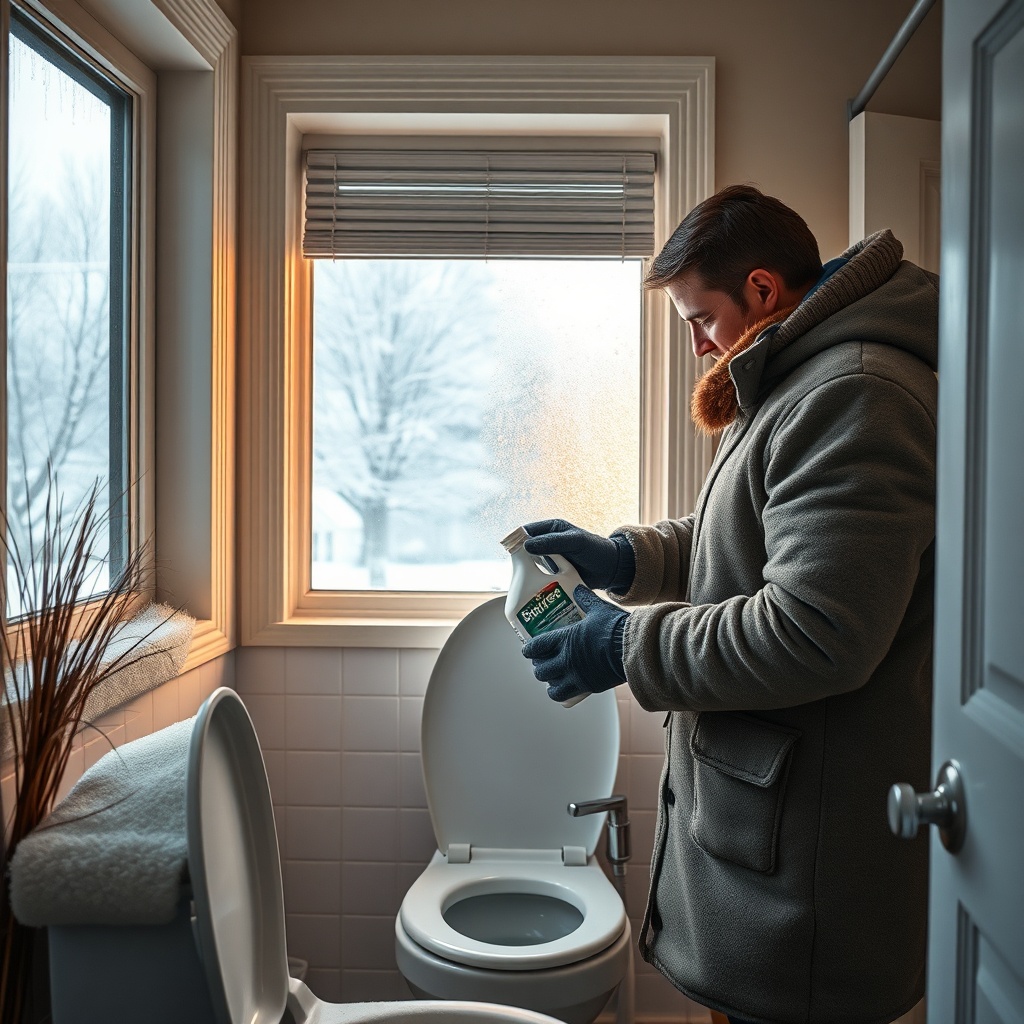
- Apply Biotite 1.0 after flushing with warm water (not hot) to raise tank temperature slightly for activation.
- For best results, apply on a day when outdoor temperature is above -10°C (14°F) so the tank stays liquid.
Reduce Water Usage in Cold Snap
- During extreme cold (below -20°C/-4°F), limit non-essential flushing to prevent cold water inflow from cooling the tank further.
- Avoid running dishwasher or laundry during the coldest part of the day.
Monitor Sludge Level
- Check sludge depth monthly with a stick or sludge gauge—if it exceeds 12 inches, schedule a pump-out even if treatment is used.
- Biotite 1.0 reduces but does not eliminate the need for winter pumping, especially in heavy-use households.
Store Product Correctly
- Keep Biotite 1.0 in a heated area (above 0°C/32°F) until use. Freeze-thaw cycles can damage bacterial viability.
- If stored in a cold garage, bring the bottle to room temperature for 24 hours before application.
Frequently Asked Questions
Does Biotite 1.0 work if my septic tank is partially frozen?
No. If the liquid surface in the tank is frozen (ice layer thicker than 1 inch), bacteria cannot mix with the water column. Thaw the tank with a safe heat source (such as a tank heater or hot water application) before adding the treatment. Biotite 1.0 is not designed to penetrate ice.
Can I use Biotite 1.0 in a seasonal cabin during winter?
Yes, but only if the cabin’s septic system stays active and warm enough to keep the tank from freezing (minimum tank temp of 4°C/39°F). For seasonal use where the system is winterized, do not add treatment—it will be wasted. Apply once the system is reactivated in spring.
How does Biotite 1.0 compare to Rid-X in cold climates?
Biotite 1.0 generally outperforms Rid-X in cold conditions because its psychrophilic bacteria are specifically selected for low temperatures. Rid-X uses mesophilic strains that become inactive below 10°C (50°F). For a full comparison, see Biotite 1.0 vs Rid-X: Which Septic Treatment Performs Better?
Will Biotite 1.0 cause my septic alarm to go off in winter?
Unlikely. The product does not foam or create gas pressure. However, if you use an automatic dispenser that could freeze and malfunction, the alarm may sound for low level. See Does Biotite 1.0 Work with Septic Alarms? Compatibility Guide for dispenser recommendations.
What is the shelf life of Biotite 1.0 in cold storage?
When stored at 4–10°C (39–50°F), the liquid formula remains viable for up to 18 months. If frozen (below 0°C/32°F), viability drops significantly after 72 hours. Avoid storing in unheated sheds during winter.
Is there a risk of overdosing Biotite 1.0 in winter?
Yes, doubling the dose as recommended is safe, but tripling it can cause excessive bacterial growth that may consume oxygen needed for the aerobic zone, potentially leading to odor issues. Stick to the winter dosage table above.