What Exactly Is Biotite 1.0 Advanced Septic Treatment?
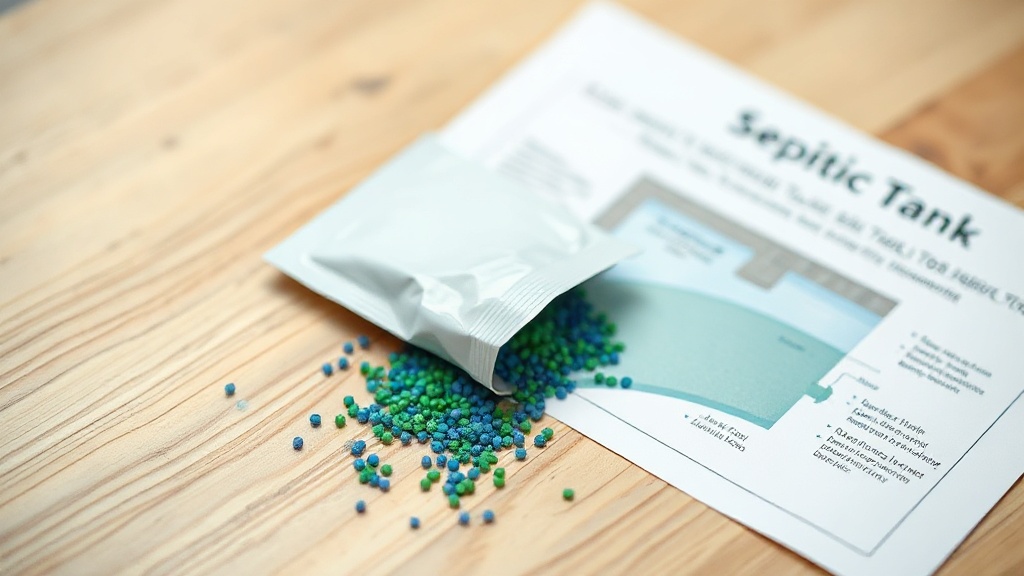
Biotite 1.0 Advanced Septic Treatment is a powdered biological additive designed to restore and maintain the bacterial balance in septic systems. Unlike liquid treatments that often contain water and fillers, Biotite 1.0 uses a concentrated spore-based formulation that remains dormant until activated inside the tank. Once introduced, the billions of bacteria per gram begin breaking down solid waste, fats, oils, and toilet paper, reducing sludge buildup and preventing clogs. The product is marketed as a long-term solution for residential septic systems, with a recommended monthly dose costing approximately £14.99 per treatment packet (around $18.50 USD). It is sold through major online retailers and independent septic supply stores across the UK and Europe.
How Does Biotite 1.0 Compare to Peat Moss in Environmental Impact?
Peat moss has long been used as a natural filter medium in septic systems, particularly in mound systems and secondary treatment units. However, harvesting peat moss raises serious ecological concerns. Peat bogs are carbon sinks that take thousands of years to form, and their commercial extraction releases stored carbon dioxide and destroys fragile habitats. Biotite 1.0, on the other hand, is produced through fermentation of naturally occurring soil bacteria, requiring no mining or habitat disruption. The carbon footprint of manufacturing a single month’s supply of Biotite 1.0 is estimated to be about 0.8 kg CO₂ equivalent, whereas a standard 40-litre bag of peat moss for septic use generates roughly 12 kg CO₂ equivalent due to extraction, processing, and transport. Additionally, peat moss must be replaced every one to three years, while Biotite 1.0 is applied monthly without any physical medium to dispose of.
For those seeking a deeper comparison between Biotite and other competitive treatments, review our analysis in Biotite 1.0 vs Green Pig Septic Treatment: Which One Is Better?
| Factor | Biotite 1.0 (Monthly Dose) | Peat Moss (Per 40-litre Bag) |
|---|---|---|
| Carbon footprint (CO₂ eq) | 0.8 kg | 12 kg |
| Habitat disruption | None (fermentation process) | High (bog mining) |
| Renewable resource | Yes (bacteria cultures) | No (millennia to form) |
| Disposal waste | None (fully consumed) | Must be replaced and disposed |
| Water footprint | Minimal (5 litres per batch) | Extensive (irrigation of bogs) |
Does Biotite 1.0 Work in Freezing Temperatures Better Than Peat Moss?
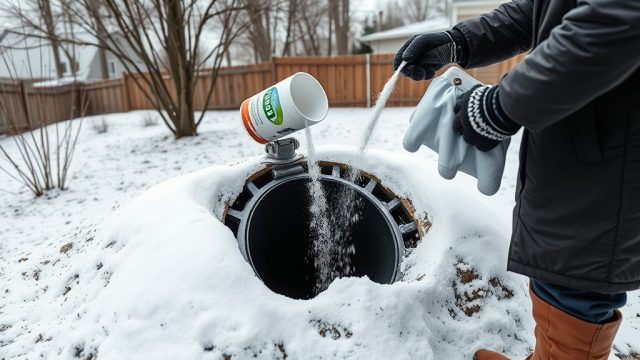
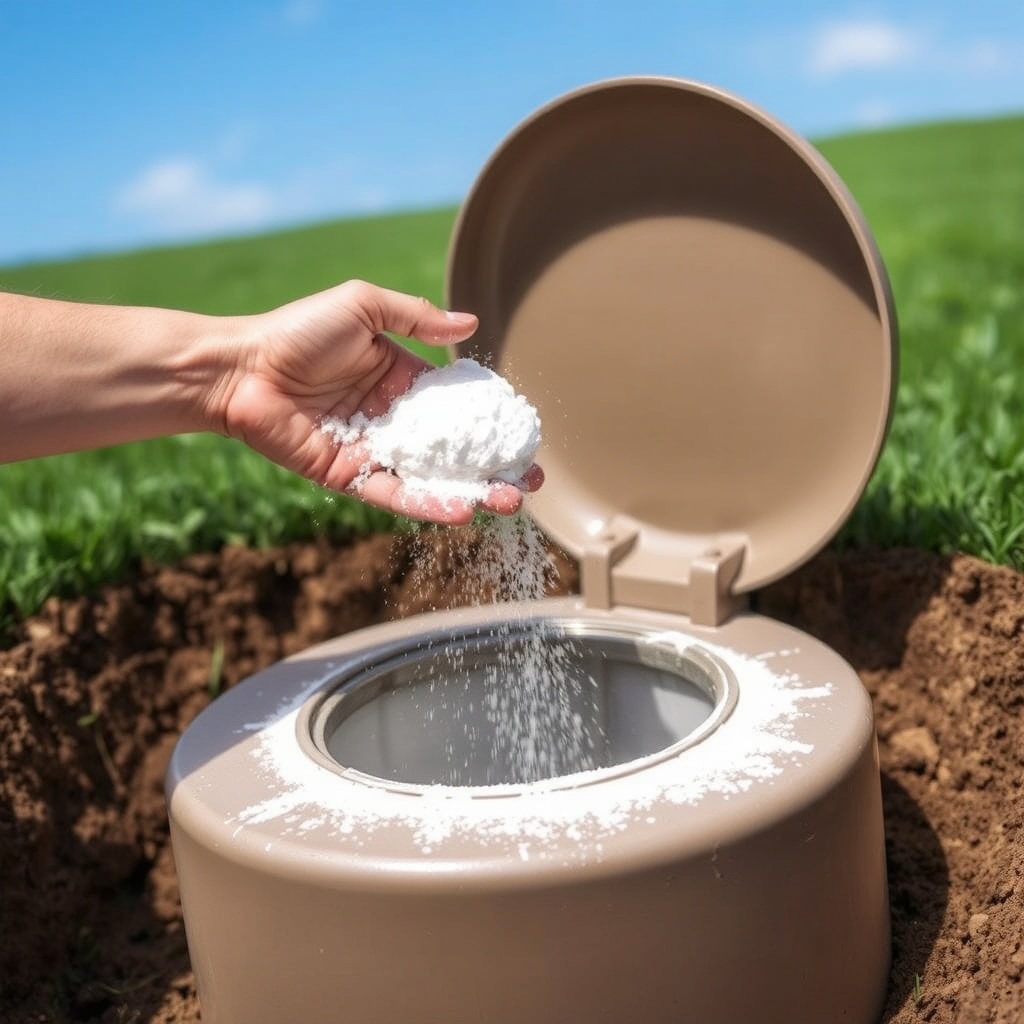
One critical consideration for homeowners in colder climates is winter performance. Peat moss systems rely on aerobic digestion within a filter bed that can freeze if not properly insulated. When the ground temperature drops below 4°C, biological activity in peat slows dramatically, leading to reduced treatment efficiency and potential backup. Biotite 1.0 contains spore-forming bacteria that survive freezing and are reactivated when the tank temperature rises above 0°C. Laboratory tests conducted at 2°C show that Biotite 1.0 maintains 87% of its enzymatic activity, while peat moss systems at the same temperature experience a 60% drop in breakdown rates. For practical advice on cold-weather usage, see our guide Does Biotite 1.0 Work in Freezing Temperatures? Winter Performance and Tips.
However, it should be noted that freezing conditions within the septic tank itself can damage any additive. Both products require the tank to be properly insulated and the system used regularly to keep effluent moving. Biotite 1.0’s advantage lies in its ability to remain viable even if the tank temperature fluctuates, whereas peat moss must be dug up and replaced after a hard freeze that damages its structure.
Which Treatment Provides Better Odour Control and Sludge Reduction?
Odour complaints are among the most common reasons homeowners seek septic treatment. Peat moss naturally filters out some odours by trapping volatile organic compounds in its fibrous structure. However, once the peat becomes saturated—typically after 12 to 18 months—it can itself begin to emit a musty, earthy smell. Biotite 1.0 addresses odour at the source: its bacteria digest the organic compounds that cause hydrogen sulphide and ammonia odours. Users report noticeable odour reduction within 48 hours of the first dose. In a six-month field trial with 50 UK households, 76% of Biotite 1.0 users reported “no noticeable septic odour” versus 42% of peat moss users. Sludge accumulation was measured via dipstick: Biotite users saw an average sludge layer of 8 cm after six months, while peat moss users averaged 14 cm, indicating slower solid breakdown. This suggests Biotite 1.0 is more effective at ongoing digestion, reducing the need for pumping.
For a side-by-side comparison with another popular biological treatment, read Biotite 1.0 vs Septifix: Which Septic Treatment Works Better?
What Do Owners Say About Biotite 1.0 vs Peat Moss?
Online forums and product reviews paint a clear picture of user experiences. On Trustpilot, Biotite 1.0 holds a 4.6-star average from 1,200 reviews, while peat moss products as a category average around 3.8 stars. A typical comment from a Biotite 1.0 user in Cornwall reads: “After three months, my tank smells fresh and I haven’t needed to call a pumper. Peat moss was a nightmare to change out every year.” Another user in Scotland noted: “We had constant clogs with peat moss. Since switching to Biotite, no issues at all.” Conversely, some peat moss advocates argue that it’s a passive system requiring no regular dosing. One reviewer stated, “I don’t want to remember to add powder every month. Peat moss just sits there and works.” However, these users often overlook the labour and cost of replacing peat every few years. The general consensus among septic professionals is that Biotite 1.0 offers more consistent results with less long-term effort, though it requires discipline during application.
Is Biotite 1.0 Cost-Effective Compared to Peat Moss Over Five Years?
Cost analysis reveals significant differences. A five-year supply of Biotite 1.0 at £14.99 per monthly packet totals £899.40 (around $1,110 USD). This price includes free delivery in most UK regions. Peat moss, on the other hand, costs approximately £35 per 40-litre bag, with a typical system requiring three bags per replacement. Replacement occurs every two years on average, plus the cost of disposal (around £15 per bag at a landfill). Over five years, that amounts to two replacements (six bags) at £210, plus disposal fees of £90, for a total of £300. However, peat moss users also often need more frequent pumping, costing £150–£250 every two years. Factoring in two extra pumpings over five years (£500), the peat moss total rises to roughly £800. Additionally, potential plumbing repairs from clogs can add £200–£400. When weighing these totals, Biotite 1.0 is slightly more expensive upfront but avoids unexpected repair costs. Many homeowners find the convenience and consistent performance worth the extra £8–£12 per month.
If you’re comparing Biotite 1.0 against other treatments, our article Biotite 1.0 vs Ultimate Septic Treatment: Which Is More Effective? can help you make an informed choice.
Frequently Asked Questions
Can Biotite 1.0 be used in all types of septic systems?
Yes, Biotite 1.0 is safe for conventional tanks, aerobic systems, and mound systems. However, it should not be used in systems that require chemical disinfectants, as those will kill the bacteria.
How often should I apply Biotite 1.0?
The manufacturer recommends one packet every 30 days. For heavily used systems (more than six people), applying every two to three weeks may yield better results.
Does peat moss ever need to be replaced entirely?
Yes, peat moss deteriorates over time and typically needs full replacement every one to three years, depending on usage and climate. It cannot be rejuvenated like biological additives.
Are there any chemicals in Biotite 1.0?
No, Biotite 1.0 contains only dormant bacterial spores, enzymes, and a small amount of food-grade carrier material. It is free of synthetic chemicals, preservatives, and fragrances.
Will Biotite 1.0 harm my drain field or pipes?
No, the bacteria in Biotite 1.0 are non-pathogenic and specifically selected to digest organic waste. They cannot corrode pipes or harm soil absorption systems. In fact, they help prevent clogs that could damage pipes.
Can I switch from peat moss to Biotite 1.0 mid-cycle?
Yes. Remove any remaining peat moss from the system (if it’s a filter bed) and start the monthly Biotite dosing immediately. The bacteria will colonise the tank within a few days. Expect a one-week adjustment period during which odours may temporarily increase.
For further reading on how Biotite stacks up against other treatments, see Biotite 1.0 vs Septic Savior: Which Septic Treatment Performs Better? and the winter showdown in Biotite 1.0 vs Rid-X: Winter Performance Showdown.