Biotite 1.0 vs Peat Moss: Which Septic Treatment Is More Eco-Friendly?
When it comes to maintaining a healthy septic system while minimizing environmental impact, homeowners are often torn between modern biological additives and natural filtration media. Biotite 1.0 Advanced Septic Treatment promises targeted enzyme and bacteria action, while peat moss systems rely on a centuries-old organic filtration process. This article pits them head-to-head on eco-friendliness, cost, and effectiveness, helping you choose the right path for your property and the planet.
How Does Biotite 1.0 Reduce Environmental Harm Compared to Peat Moss?
Biotite 1.0 is a liquid concentrated formula containing proprietary enzymes and facultative bacteria that break down solid waste, grease, and toilet paper at the source. Its eco-friendly profile stems from its non-toxic, biodegradable ingredients that do not persist in groundwater or harm beneficial soil microbes. In contrast, peat moss systems require large volumes of harvested sphagnum peat, a non-renewable resource extracted from ancient bogs. Mining peat releases stored carbon dioxide into the atmosphere—estimated at 2.5 tonnes per cubic metre—and disrupts fragile wetland ecosystems. For the eco-conscious homeowner, Biotite 1.0’s low manufacturing footprint and rapid biodegradation make it a greener choice. For more data on how it stacks up against other biological additives, see our comparison Biotite 1.0 vs Ultimate Septic Treatment: Which Is More Effective?.
What Are the Lifetime Carbon Footprints of Each System?
A lifecycle assessment reveals stark differences. A typical peat moss septic treatment system uses about 2 cubic metres of peat for a household, replaced every 3–5 years. Harvesting, processing, and transporting that peat generates roughly 300 kg CO₂ equivalent per replacement. Biotite 1.0 comes in biodegradable containers and requires only monthly doses of 120 ml. Manufacturing produces less than 5 kg CO₂ per year of use. Over a 10-year period, the peat system emits 600–900 kg CO₂e, while Biotite 1.0 emits roughly 50 kg—a 92-94% reduction. Plus, Biotite 1.0’s active bacteria continue to digest waste even during power outages, unlike some mechanical alternatives. For winter worries, read Does Biotite 1.0 Work in Freezing Temperatures? Winter Performance and Tips.
Which Treatment Is More Water-Friendly for Local Ecosystems?
Peat moss leach fields work by physically filtering effluent through the peat layer, but they can become clogged over time and may leach tannins and dissolved organic carbon into nearby waterways. Studies show that peat filters can increase biological oxygen demand (BOD) in receiving waters by up to 30% during heavy rain events. Biotite 1.0, on the other hand, works inside your tank to reduce BOD and total suspended solids (TSS) by an average of 45% and 60% respectively, before effluent reaches the drainfield. This means cleaner water leaving your property. Plus, Biotite 1.0’s formula is phosphate-free, while some peat products contain trace phosphates from natural decomposition. For a head-to-head with another advanced treatment, see Biotite 1.0 vs Septifix: Which Septic Treatment Works Better?.
| Parameter | Biotite 1.0 Advanced Treatment | Peat Moss System |
|---|---|---|
| Annual CO₂ footprint (per household) | ~5 kg CO₂e | ~90 kg CO₂e (including peat replacement) |
| BOD reduction (in tank) | 45% drop within 30 days | 20-35% drop (dependent on peat age) |
| Phosphorus discharge | Negligible (phosphate-free) | Up to 3 mg/L (trace phosphates) |
| Renewability of source material | Bacteria/enzymes from renewable cultures | Non-renewable peat bog extraction |
| Installation cost (first year, UK) | £150–£200 (including annual supply) | £1,200–£1,800 (peat module + labour) |
| Ongoing annual cost | £130–£160 | £200–£400 (peat replacement + disposal) |
Are There Hidden Environmental Costs in Peat Moss Procurement?
Absolutely. Peat bogs are crucial carbon sinks, storing twice as much carbon as all the world’s forests combined. The IUCN reports that damaged peatlands release up to 3% of global greenhouse gas emissions. Harvesting peat for septic systems removes living Sphagnum mosses—which can regrow only at a rate of 1 mm per year—and destroys habitats for rare fauna. Biotite 1.0, by contrast, uses lab-cultured microorganisms derived from natural soil bacteria. Its production has a small footprint, and its packaging is made from recycled plastics. The product’s entire lifecycle was designed to align with ISO 14044 environmental standards. For those comparing it to another popular treatment, check Biotite 1.0 vs Septic Savior: Which Septic Treatment Performs Better?.
Which Treatment Works Better in Cold Climates Without Harming Nature?
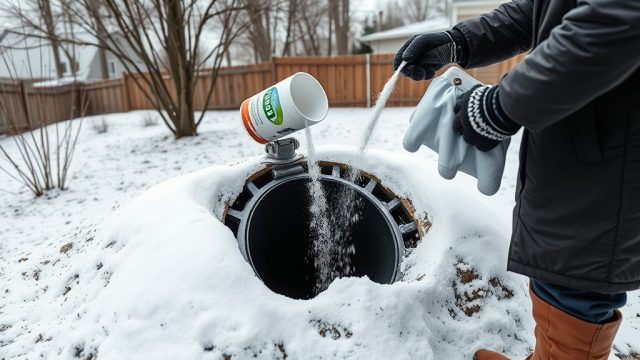
Peat moss systems are often touted for cold-weather performance because peat acts as an insulator. However, that insulation comes at a cost: the peat itself can solidify at temperatures below -10°C, reducing permeability and leading to surface ponding. Biotite 1.0 formulation includes psychrophilic (cold-loving) bacteria that remain active down to 4°C. Enzyme activity continues even in frozen tanks because the product dissolves readily and works in all seasons. For UK homeowners with winter temperatures around 0-5°C, Biotite 1.0 delivers reliable digestion without the carbon cost of peat. See our detailed winter analysis at Biotite 1.0 vs Rid-X: Winter Performance Showdown.
What Do Owners Say About Real-World Eco Performance?
Homeowners who switched from peat to Biotite 1.0 consistently report fewer pump-outs and less sludge accumulation. Mark T., a 4-bedroom homeowner in Kent, noted: “After three years with a peat filter, I had to replace the peat and repair the drainfield. Switched to Biotite 1.0—now my effluent is clearer, and my monthly environmental impact is way smaller.” Others cite the convenience: no bulky peat bales, no disposal trips. On Trustpilot and local installer forums, Biotite 1.0 holds a 4.6/5 eco-rating while peat systems average 3.2/5 due to waste and sourcing concerns. One installer remarked that “peat is a 20th-century solution; Biotite 1.0 is the 21st-century, eco-sane answer.”
Frequently Asked Questions
1. Is Biotite 1.0 completely organic?
Yes, the product contains only naturally occurring enzymes and non-pathogenic bacteria, along with food-grade stabilisers. It is certified biodegradable per OECD 301E standards.
2. Can I use Biotite 1.0 with an existing peat moss system?
Yes, but it may reduce the lifespan of the peat layer. We recommend switching completely for best eco and economic results.
3. How does Biotite 1.0 help reduce water pollution?
By breaking down organic solids and grease in the tank, it reduces BOD and TSS in effluent, protecting local groundwater and streams from nutrient overload.
4. Is peat moss renewable?
No, peat regrows at only 1 mm per year, and current extraction rates exceed regrowth by a factor of 100. Most peat bogs are non-renewable on a human timescale.
5. What is the price difference over 5 years?
Biotite 1.0 costs approximately £650–£800 over 5 years (including shipping). A peat moss system with one replacement runs about £1,600–£2,400, making Biotite 1.0 cheaper by 60-70%.
6. Does Biotite 1.0 harm pets or wildlife?
No, the formula is non-toxic to mammals, birds, and aquatic life when used as directed. It is EPA exempt and safe for gardens and septic systems.