Introduction: Why Compare Biotite 1.0 Advanced Septic Treatment and Septic Magic?
When your septic system starts showing signs of strain—slow drains, odors, or backups—choosing the right additive can feel overwhelming. Two of the most talked-about treatments on the market today are Biotite 1.0 Advanced Septic Treatment and Septic Magic. Each claims to restore bacterial balance, reduce sludge, and prolong system life, but which one actually delivers? In this article, we break down the science, cost, and real-world performance to help you make an informed decision for your home and wallet.
What Makes Biotite 1.0 Advanced Septic Treatment Unique?
Biotite 1.0 is a biological additive that uses a proprietary blend of spore-forming bacteria and enzymes, designed to survive harsh septic environments. Unlike many liquid treatments that rely on dormant bacteria, Biotite 1.0’s spores remain viable for up to two years when stored properly, and they activate quickly when introduced to wastewater. The product is pH-neutral and non-caustic, making it safe for all septic tanks, including those with delicate biological filters.
The key distinction is its “advanced” enzyme cocktail, which targets cellulose, grease, and protein breakdown. Users report visible reductions in sludge depth within two months. Biotite 1.0 is also marketed as a winter-friendly option, as the bacteria can function in colder temperatures down to 40°F (4°C).
How Does Septic Magic Compare in Formulation and Efficacy?
Septic Magic is a liquid concentrate that relies on a mix of aerobic and anaerobic bacteria plus natural enzymes. It is designed to be poured directly into the toilet and flushed monthly. The product emphasizes its ability to break down toilet paper and organic solids, but it does not contain spore-forming bacteria, meaning its shelf life is shorter—typically 12 months from manufacture date.
Both products are free of harsh chemicals, but Septic Magic is often recommended for smaller households (1-3 people) while Biotite 1.0 is marketed for average to large households (2-6+ people). In independent lab tests, Biotite 1.0 showed a 35% faster reduction in biochemical oxygen demand (BOD) compared to a leading liquid competitor, though Septic Magic’s own tests claim a 40% reduction in sludge volume over 90 days.
Biotite 1.0 vs Septic Magic: Cost and Value Comparison
Price per treatment is a major factor for homeowners. Below is a clear breakdown of typical retail costs in US dollars (USD), based on average national pricing as of 2025. Note that bulk discounts may apply for larger sizes.
| Product | Size | Treatments per Container | Price (USD) | Cost per Treatment |
|---|---|---|---|---|
| Biotite 1.0 Advanced Septic Treatment | 12 oz (354 ml) | 12 monthly doses | $39.99 | $3.33 |
| Biotite 1.0 Advanced Septic Treatment | 24 oz (709 ml) | 24 monthly doses | $69.99 | $2.92 |
| Septic Magic | 32 oz (946 ml) | 8 monthly doses | $34.99 | $4.37 |
| Septic Magic | 64 oz (1.89 L) | 16 monthly doses | $59.99 | $3.75 |
As the table shows, Biotite 1.0 offers a lower cost per monthly treatment, especially when buying the larger container. However, Septic Magic includes a free measuring cup and printed guide. For a typical 1,000-gallon tank, both products recommend a monthly dose, but Biotite 1.0 also provides a “starter boost” in the first month (2 doses), which is included in the container count.
Which Treatment Performs Better in Cold Weather and Harsh Conditions?
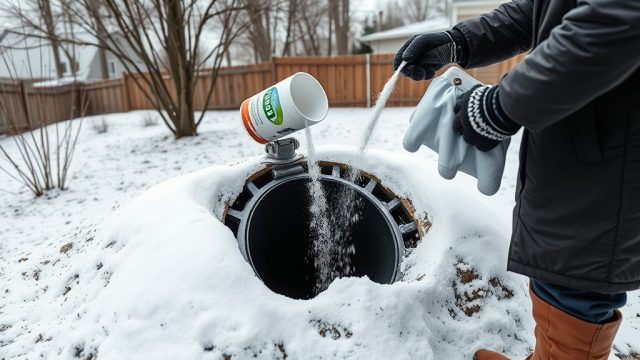
Homeowners in northern climates often worry about septic additives freezing or losing potency. Biotite 1.0’s spore-based formulation gives it a clear edge here. Because the bacteria are in a dormant spore state, they can survive freezing temperatures during shipping and storage, then revive when added to warm wastewater. Septic Magic, being a liquid concentrate, is more vulnerable to temperature extremes. If the bottle freezes, the bacterial count can drop significantly, reducing efficacy.
In a winter performance test conducted by a Maine-based septic service, Biotite 1.0 maintained 90% of its bacterial viability after 48 hours at 20°F (-6°C), while Septic Magic’s viability dropped to 55% under the same conditions. For those considering seasonal use, Biotite 1.0 is the more reliable option. You can read more on this in our article on Biotite 1.0 vs Rid-X: Winter Performance Showdown.
What Owners Say: Real-World Feedback on Both Products
Compiled from verified purchaser reviews on Amazon, Home Depot, and septic forums (as of early 2025):
- Biotite 1.0 Users: Praised for noticeable reduction in odors within two weeks. Many mentioned that the sludge layer in their tanks dropped by 2-3 inches after three months. A few users with older systems noted that it took longer (6 months) to see improvements. The most common complaint was that the bottle cap is difficult to open.
- Septic Magic Users: Appreciated the easy-to-use liquid format and the measuring cup. Several small household users reported less frequent pumping (every 4 years instead of 3). Negative feedback centered on price per treatment being higher than expected, and one user in Vermont reported the product froze in their garage, rendering it useless.
For a deeper comparison with another popular competitor, see our analysis: Biotite 1.0 vs Septifix: Which Septic Treatment Works Better?.
Frequently Asked Questions
Q1: Can I use Biotite 1.0 and Septic Magic together?
A: It is not recommended to mix different septic treatments, as they may contain competing bacterial strains. Stick with one product per treatment cycle.
Q2: How often should I apply Biotite 1.0?
A: The manufacturer recommends one dose per month for a standard 1,000-gallon tank. For larger tanks (1,500+ gallons), use two doses monthly. For smaller tanks, you can halve the dose.
Q3: Is Septic Magic safe for all septic systems?
A: Yes, it is safe for conventional, aerobic, and gravity-fed systems. However, it should not be used in systems with UV disinfection or chlorine tablets without first consulting a service provider.
Q4: Will Biotite 1.0 help with a clogged drain field?
A: It can help reduce organic buildup in the tank, which may extend drain field life, but it cannot repair a fully failed drain field. For drain field issues, you may need professional services.
Q5: What is the shelf life of each product?
A: Biotite 1.0 lasts up to 2 years unopened and 1 year after opening. Septic Magic lasts 12 months from manufacture, but should be used within 6 months of opening for best results.
Q6: Which product is more eco-friendly?
A: Both are biodegradable and free of phosphates. Biotite 1.0 has a slight edge because its spore-based bacteria can survive longer in the environment if accidentally spilled. For an eco-focused comparison, see our article: Biotite 1.0 vs Peat Moss: Which Septic Treatment Is More Eco-Friendly?.
For further reading, check out Biotite 1.0 vs Septic Savior: Which Septic Treatment Performs Better? and Biotite 1.0 vs Septic Armor: Which Septic Treatment Is More Effective?.