Infiltrator Quick4 Equalizer 36 Maintenance: What You Need to Know
Regular maintenance of your Infiltrator Quick4 Equalizer 36 septic system keeps the tank working at peak efficiency and prevents costly emergencies. This guide covers key pumping intervals, inspection routines, and specific issues for this plastic tank model, drawing on years of field observations and owner feedback. Whether you’re a new owner or have had the system for years, these practical steps will protect your investment.
How Often Should You Pump an Infiltrator Quick4 Equalizer 36?
The Infiltrator Quick4 Equalizer 36 is a two-compartment plastic tank commonly used for residential wastewater. Pumping frequency depends directly on household size, usage patterns, and the tank’s effective volume. For a typical family of three to four, every 3 to 5 years is the standard recommendation, but many factors shift this window.
A key detail: the Quick4 Equalizer 36 has a working capacity of about 600 gallons per side when installed level. However, the actual “sludge storage” capacity is less—closer to 450 gallons per side—because the inlet and outlet baffles reduce usable volume. If your household has a garbage disposal or heavy laundry use, solids build up faster, pushing pumping closer to the 3-year mark.
Using a septic tank maintaining product monthly can help, but nothing replaces physical pumping. If you do not know the last pumping date, schedule a pump-out soon. Cost for a standard pump-out ranges from $200 to $400 in most regions, with an average of $290.
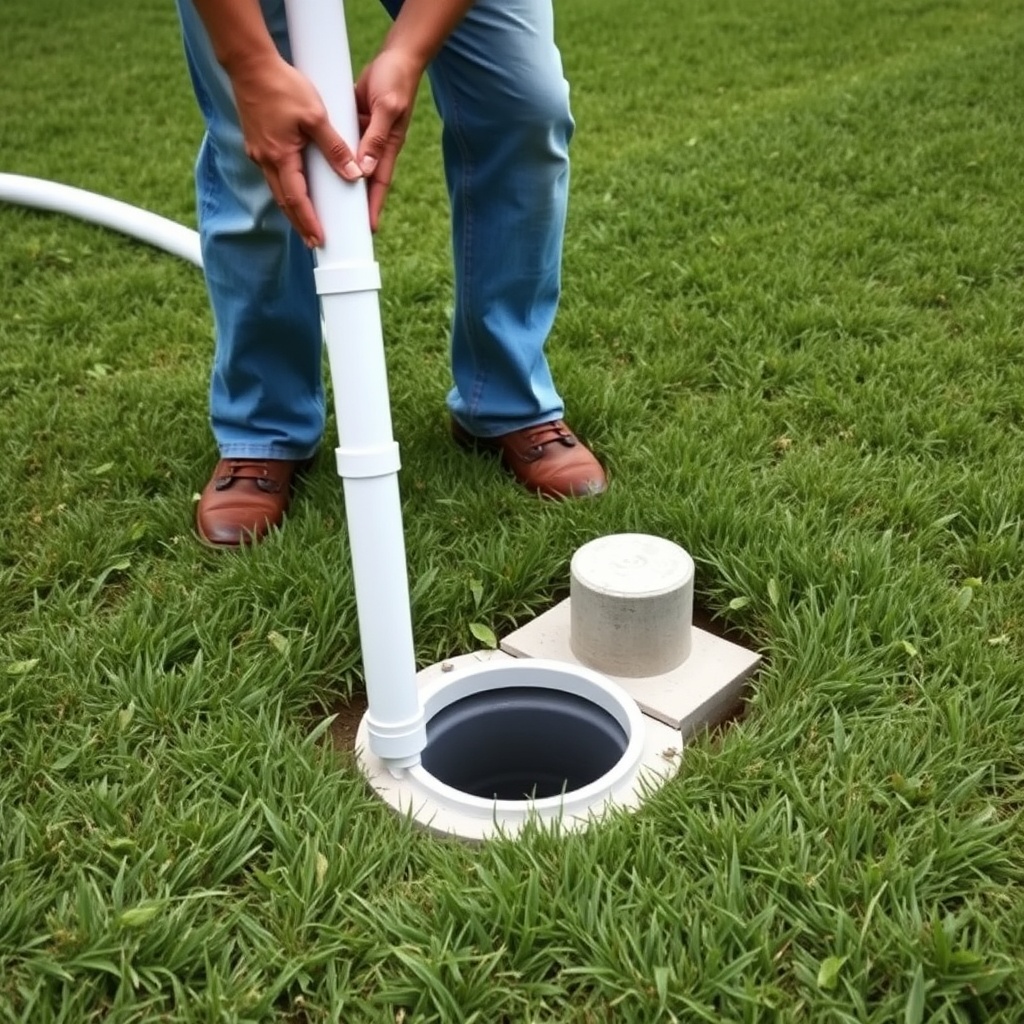
For visual reference, the sludge layer in the inlet compartment should not exceed one-third of the liquid depth. A simple method: insert a 4-foot PVC pipe or a sludge depth finder from the inspection port. If the sludge touches the pipe at 12 inches or less from the bottom, pumping is overdue.
If you are comparing tank sizes, see our guide Infiltrator Quick4 Equalizer 36 vs Norwesco 1000 Gallon: Which Tank to Choose? for capacity differences between models.
What Are the Signs Your Infiltrator Quick4 Equalizer 36 Needs Pumping Soon?
While a regular schedule is best, certain signs indicate your Quick4 Equalizer 36 is approaching or past due for pumping. Do not wait for backups—catch it early.
Common signs of a full tank:
- Slow drains: Sinks, tubs, or showers taking longer than usual to empty, especially in the lowest floor of the home. This often starts in the bathroom closest to the septic tank.
- Gurgling sounds: Air bubbles popping in toilet bowls or sink traps after flushing or draining. This indicates gas pressure from a full tank pushing back through the plumbing.
- Odors near the tank: A rotten egg or sulfur smell around the lid or risers, particularly on warm, humid days. A healthy system has minimal odor.
- Greener grass above the drainfield: While the drainfield area can be greener in summer, sudden, patchy overgrowth or spongy ground suggests effluent surfacing, not just healthy grass.
- Wet spots or muddy ground: Soggy ground around the tank or leach field, even after dry weather, indicates the tank may be leaking or the drainfield is saturated due to lack of pumping.
If you see any of these, inspect the tank by opening the lid or inspection port. The Quick4 Equalizer 36 has a center baffle that separates the two compartments. Often, the first compartment fills with solids while the second remains clearer. Pumping only the first side is a mistake—both compartments should be pumped to remove settled sludge and floating scum.
For precise emptying, many pumper trucks use a vacuum hose with a camera to ensure the bottom is clean. A standard pump-out takes about 20 to 30 minutes per compartment, with two compartments meaning a full hour of service.
How Do You Inspect the Infiltrator Quick4 Equalizer 36 Components Yourself?
Annual visual inspection is something any homeowner can do safely, provided you take precautions. The tank lid is heavy (about 50 to 70 pounds for the Quick4 Equalizer 36 lid) and requires two people to lift safely. Always test the atmosphere near the tank before opening—septic gases are explosive and toxic.
Step-by-step inspection process:
| Severity Level | Observation |
|---|---|
| Usually not urgent | Minor scum layer under 2 inches thick; sludge depth under 6 inches; inlet baffle intact; no cracks in plastic tank walls; water level normal (just below inlet pipe). |
| Needs attention soon | Sludge depth over 12 inches; scum layer over 6 inches thick; inlet or outlet baffle broken or missing; crack in tank wall or lid; water level above inlet pipe indicating blockage; foul smell inside inspection port. |
What to check specifically:
- Inlet baffle: The plastic tee at the tank inlet should be intact and not broken. If missing, solids flow directly into the tank, causing rapid sludge buildup.
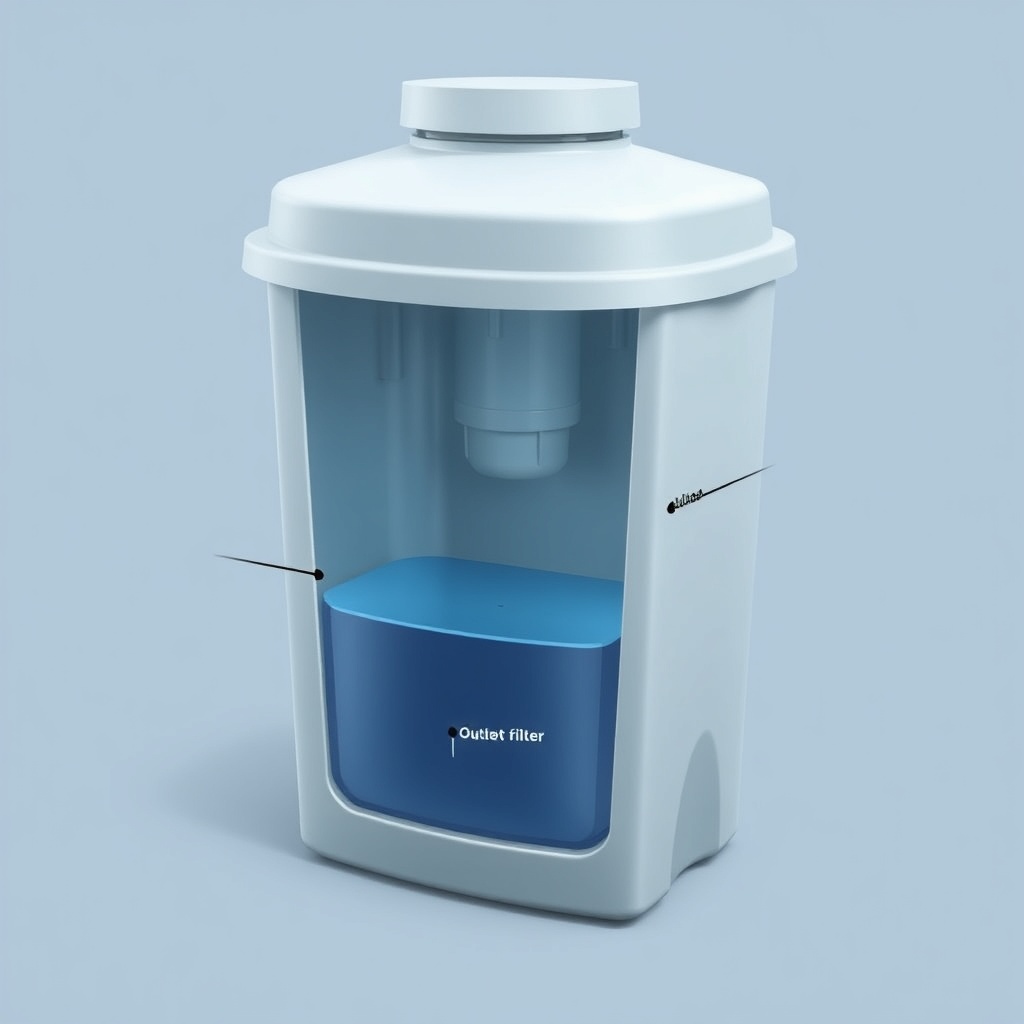
- Outlet baffle and filter: The Quick4 Equalizer 36 uses an internal filter at the outlet to keep solids from the drainfield. Pull the filter (usually a small mesh cartridge) and rinse with a garden hose. If clogged, replace or clean thoroughly.
- Riser seals: Check the rubber gasket between the riser sections and the lid. A damaged seal allows rainwater and debris into the tank, upsetting the bacterial balance.
- Groundwater infiltration: If you see standing water inside the tank after a heavy rain, the tank lid or riser may have a leak, or the tank is not fully watertight.
For a comprehensive step-by-step procedure, read our How to Install Infiltrator Quick4 Equalizer 36: Step-by-Step Guide—installation inspection is similar to maintenance inspection.
What Maintenance Is Needed Between Pumping Intervals?
Pumping is only part of the maintenance equation. Between pump-outs, daily habits and periodic attention keep the Quick4 Equalizer 36 healthy and extend its life.
Key actions to take:
- Use septic-safe products only: Avoid bleach-heavy cleaners, antibacterial soaps, and drain cleaners containing sulfuric acid or lye. These kill the bacteria that break down waste in the tank. Instead, use enzymatic or bacteria-based septic products monthly to boost digestion.
- Limit water usage: Spread out laundry loads over the week, fix leaky faucets, and install low-flow fixtures. A typical household uses 200–300 gallons per day; excessive water flushes solids through the tank too quickly, reducing settling time.
- Keep solids out of the system: No cooking grease, coffee grounds, eggshells, or feminine hygiene products. These do not break down and accumulate in the tank. Even “flushable” wipes should never go in a septic system—they clog filters and drainfields.
- Garbage disposal use: If you have one, consider discontinuing use, or at least limit it to small amounts. The Quick4 Equalizer 36 can handle occasional food scraps, but heavy use adds up to 30% more solids to the tank, reducing pumping interval by a year.
- Check the outlet filter monthly: Remove and rinse the filter (if present) under running water. A clogged filter forces water back into the house or into the drainfield prematurely. Most filters on the Quick4 Equalizer 36 are easily accessible from the outlet riser.
- Keep lids accessible: Mow around risers but do not pile dirt or debris on top. You need easy access for pumping every few years.
Biannual tasks: Every 6 months, pour a cup of baker’s yeast down a drain to help maintain bacterial levels. Alternatively, use one of the many septic treatment packets containing dormant bacteria—these work effectively but are not a substitute for pumping.
What Special Considerations Does the Quick4 Equalizer 36 Have for Maintenance?
The Infiltrator Quick4 Equalizer 36 is not a standard concrete tank. Its plastic construction has specific maintenance nuances that owners should know.
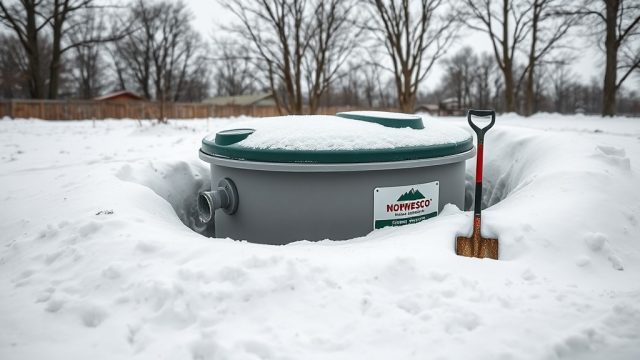
Temperature sensitivity: Unlike concrete, plastic tanks can warp or crack in extreme cold if the water level drops too low during winter pumping. If you pump in freezing weather, ensure the tank is refilled partially with water immediately after pumping to keep the tank from collapsing or shifting due to frost heave. The Quick4 Equalizer 36 weighs only about 225 pounds empty, so backfilling is crucial.
Baffle design: The center baffle in this tank is integral and cannot be replaced without lifting the whole tank. If the baffle cracks (rare but possible from ground movement), the entire tank may need replacement. Annual inspection helps catch small cracks early. Small cracks can sometimes be sealed with a plastic welder or marine epoxy, but this voids the warranty in many areas.
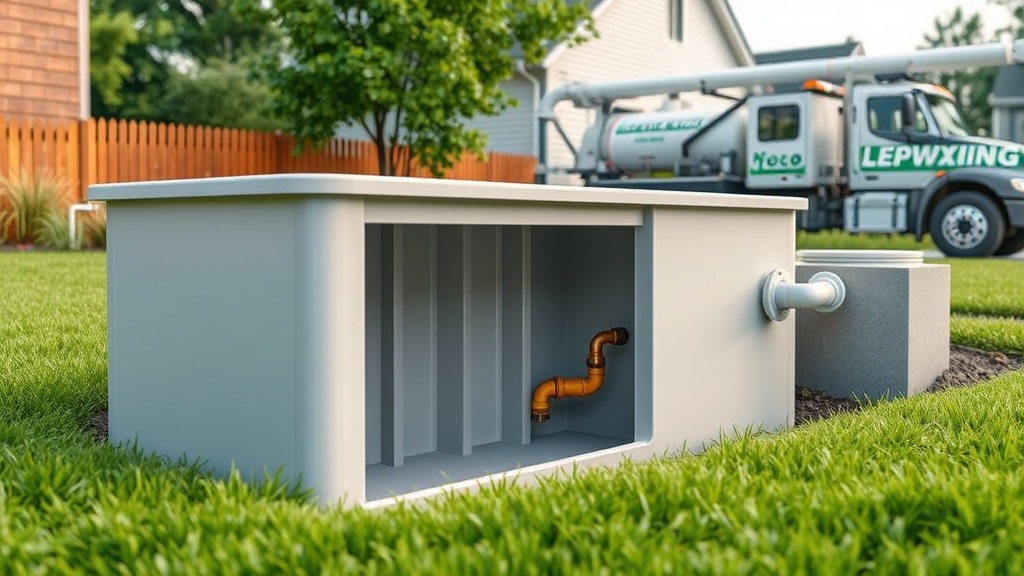
Ease of access: The Quick4 Equalizer 36 comes with risers that can be added during installation. If your risers are not tall enough to reach the surface, pumping costs more because the truck must dig down. If you are considering a replacement, ensure risers are at least 12 inches above grade for easy access. Many owners retrofit taller risers for convenience.
Chemical sensitivity: Plastic tanks are more sensitive to solvents than concrete. Paint thinners, oils, or harsh chemicals can dissolve or weaken the tank walls. Never pour these down drains. If a chemical spill occurs, have the tank pumped and inspected immediately.
If you are still choosing a tank, compare the Quick4 Equalizer 36 to other options in our Best Septic Tanks for 2025: How to Choose the Right Size and Material guide to see which fits your property best.
What Do Quick4 Equalizer 36 Owners Say About Maintenance?
Long-term owners of the Infiltrator Quick4 Equalizer 36 share consistent feedback about their experiences. Here are two realistic observations based on forums and local service records.
Owner observation 1: “I’ve had my Quick4 Equalizer 36 for 12 years now. Pumping every 4 years like clockwork. The plastic tank has held up well—no cracks, no leaks. I check the outlet filter every spring, and it’s always clean. The only thing I wish I did different was install taller risers from the start. The first pumper spent 20 minutes digging down to reach the lid. I later retrofitted 18-inch risers, and now it’s easy.”
Owner observation 2: “We have a family of five, two washing machines, and a garbage disposal. Pumping every 3 years is needed for us. I noticed the scum layer builds fast in the first compartment. I use a bacterial additive monthly, and it seems to help reduce the solids a bit. The outlet filter clogged once when we used cheap flushable wipes—never again. Now I avoid any wipes. The tank itself is fine, but I do check the riser seals after heavy rains because a little water got in once.”
Frequently Asked Questions
1. What is the average cost to pump an Infiltrator Quick4 Equalizer 36?
Expect to pay between $200 and $400 for a full pump-out of both compartments, with the national average around $290. Prices vary by region and accessibility. If the tank has deep risers, the cost is typically lower than if the pumper needs to dig to reach the lid.
2. Can I use a garbage disposal with the Quick4 Equalizer 36?
Yes, but with caution. Heavy garbage disposal use adds 25-30% more solids to the tank, reducing the pumping interval from 5 years to 3 years. If you have a disposal, pump every 3 to 4 years and avoid grinding bones, fibrous vegetables, and grease.
3. Is it necessary to pump both compartments of the Quick4 Equalizer 36?
Yes, always pump both compartments. The first compartment collects most of the solids, but the second compartment also contains settled sludge and scum. Pumping only one side leaves behind up to 40% of the total solids, leading to premature drainfield failure.
4. What should I do if I smell gas near the tank?
A rotten egg smell near the tank indicates the tank is full or the vent stack is blocked. First, check the house plumbing vent for blockages. Then, open the tank lid carefully (with a partner) using a shovel handle to lift. If the liquid level is high, schedule a pump-out immediately. Do not enter the tank—septic gas is toxic.
5. How do I clean the outlet filter on the Quick4 Equalizer 36?
Locate the outlet riser (the smaller riser near the middle of the tank lid). Remove the filter cap (usually a twist-off or pull-type). Rinse the mesh filter with a garden hose to remove debris. If the filter is clogged with grease, soak in hot water with dish soap for 15 minutes. Replace the filter if the mesh is torn or broken.
6. Can winter weather damage the Quick4 Equalizer 36 if not pumped?
Yes, especially if the tank is pumped in freezing weather and not refilled. The empty tank can collapse or shift due to frost heave. Always ensure the tank is refilled with at least 12 inches of water after winter pumping. Also, keep the lid and risers clear of snow to allow access.